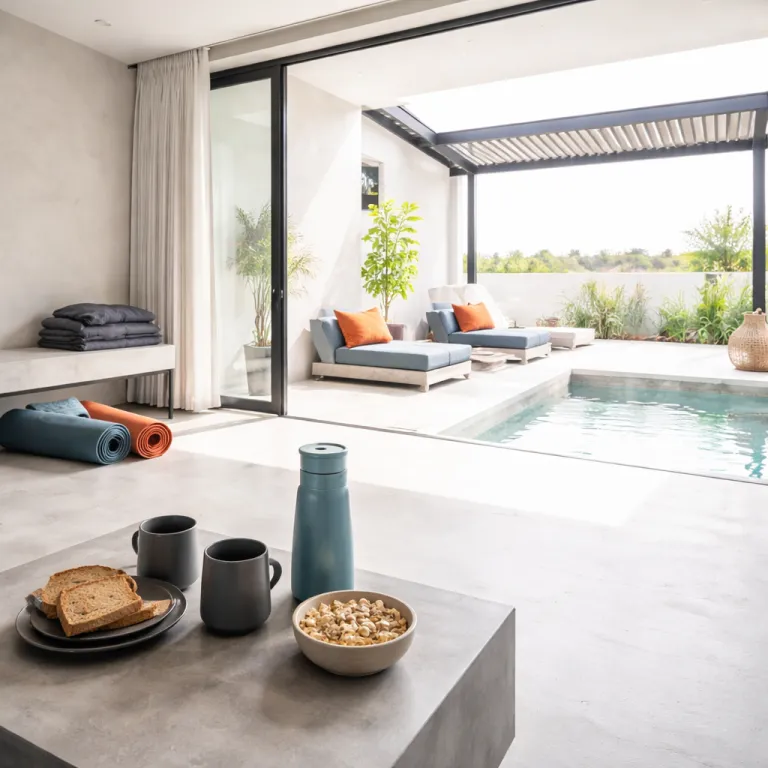
How a family-friendly health resort redefines the classic family vacation
A genuine family-friendly health resort treats every generation as a primary guest, not an afterthought. These properties blend evidence based wellness with play, so kids feel engaged while adults access serious health expertise and spa care. The result is a shared experience where each family member can reset without sacrificing anyone’s joy.
Across the leading wellness resort landscape, the shift is clear and measurable. Industry analyses now count around 50 family-friendly health resorts in the USA alone, a figure echoed by recent wellness tourism briefings from the Global Wellness Institute, and that number keeps rising as families demand more than a pool and a kids club. Emotional wellbeing, sleep quality and nutrition coaching sit alongside water slides, horseback riding sessions and supervised nature walks for children.
When you evaluate a potential family resort, start with the health architecture, not the marketing language. Look for integrated programs that connect fitness, nutrition and mental health, rather than isolated spa treatments or a single yoga class during your stay. A strong wellness program will offer separate tracks for adults, teens and younger kids, then weave them together through shared activities that build family wellness habits at home.
Canyon Ranch illustrates this multi layer approach with clarity. The ranch style setting offers structured retreats where parents might meet a physician or nutritionist while children join movement based workshops in adjacent studios or outdoor spaces. Later, families reunite for guided hikes, thermal water sessions or cooking classes that translate resort lessons into everyday routines.
YO1 Longevity & Health Resorts follows a similar philosophy, but with a more explicitly holistic lens. Here, Ayurveda, naturopathy and yoga are adapted for different ages, so teenagers can explore stress management while younger kids learn simple breathwork in playful formats. Omni Rancho Las Palmas Resort & Spa, by contrast, leans into water play and a lively club atmosphere, then layers in accessible wellness education for families who are new to health focused travel.
For many readers planning family travel, the question is not whether to choose wellness, but how to make it work with children. A well designed family-friendly health resort will answer that by offering flexible rooms and family suites, thoughtful food options and clear guidance on what is appropriate for each age group. When those elements align, a family vacation becomes a long term investment in health, not just a brief escape.
What to look for beyond the kids club: age appropriate family wellness
Most luxury hotels now advertise some form of kids club, but the quality gap between properties is enormous. At a true wellness resort, age appropriate programming goes far beyond colouring tables while parents disappear into the spa for hours. The best family resorts design their clubs as learning labs for movement, emotional literacy and healthy curiosity about the body.
Start by asking how the resort structures its programs for different ages, from toddlers to teenagers. You want to see separate schedules for younger children, tweens and teens, each with clear objectives that support physical, mental and social wellbeing. If the only activities listed are generic games or screen based entertainment, the property is not yet operating as a serious family-friendly health resort.
Look closely at how staff integrate wellness into play for kids. Strong programs might include mini yoga sessions, guided forest walks, simple nutrition workshops or creative arts that help children process emotions. When a kids club is thoughtfully designed, it becomes a cornerstone of family wellness rather than a holding pen while adults enjoy a massage.
Teenagers require a different approach, and many family resorts are finally catching up. Instead of forcing teens into the same club as younger siblings, leading resorts in the USA and beyond now create teen lounges, movement studios and social spaces that feel aspirational. Here, staff can introduce strength training, mindfulness and sleep hygiene in ways that respect autonomy and privacy.
Accommodation also matters, because the layout of your room shapes how easily everyone rests. Interconnecting guest rooms or family suites allow parents to maintain boundaries while staying close enough for younger children who still need reassurance at night. When a family resort offers flexible room suites with blackout blinds, quiet corridors and separate living areas, the entire stay feels calmer.
Destination plays a role too, especially when you combine wellness with restorative landscapes. A health focused stay on a volcanic island, for example, can pair sea air with mineral rich pools and long coastal walks suitable for most ages. For travellers considering a European style escape with children, this guide to restorative luxury and health focused stays in Santorini offers a useful benchmark for what thoughtful, multi generational programming looks like in practice.
Thermal water, hot springs and shared rituals: designing intergenerational experiences
Thermal water is one of the oldest wellness tools on earth, and it remains a powerful anchor for family travel. When a springs resort is built around a stable hot spring, families can share simple, screen free rituals that feel both playful and quietly medicinal. The key is understanding which hot springs experiences are safe for children and how to structure time in the water.
Many family-friendly health resort properties now zone their bathing areas by temperature and noise level. Adults might slip into a hotter pool for short intervals, while kids and older relatives enjoy warm, shallower springs with lifeguard supervision and clear signage. This zoning allows families to move between spaces, creating a rhythm of togetherness and individual restoration.
When evaluating any springs resort, ask for precise temperature ranges and age policies. As a practical benchmark, many wellness properties keep family pools between roughly 32°C and 36°C (90°F to 97°F), while reserving hotter pools for brief adult use. Very hot pools are rarely appropriate for younger children, especially for long periods, so you want cooler options and shaded areas nearby. A well run wellness resort will also provide hydration stations, rest zones and staff trained to guide families on safe bathing durations.
Some properties build entire intergenerational rituals around water, from morning soaks to evening contrast therapy. In these settings, a family might start the day in a warm pool, then move to a cooler plunge or gentle mist walk before breakfast. Over a multi night stay, these patterns can help regulate sleep, ease muscular tension and create shared memories that outlast any single spa treatment.
Architecture shapes the emotional tone of these experiences as much as the water itself. Resorts that frame their hot springs with mountain or forest views give families a sense of scale and calm that is hard to replicate in an urban spa. For a deeper framework on evaluating thermal water quality, this guide to judging a health resort by its spring offers practical criteria that apply equally to solo travellers and families.
Not every family resort has access to a natural hot spring, of course, but many now simulate hydrotherapy circuits with carefully calibrated pools. The most thoughtful properties still apply the same safety logic, separating quiet zones from play areas and clearly labelling temperatures. Whether you are soaking in authentic hot springs or a well engineered hydro pool, the goal is the same, which is to create a shared wellness ritual that feels both indulgent and sustainable for all ages.
From ranch stays to coastal retreats: where luxury family wellness works best
Geography matters when you are choosing a family-friendly health resort, because landscape shapes both activities and mood. Ranch style wellness resorts, for instance, lend themselves to horseback riding, trail exploration and stargazing that pull kids away from screens. Coastal retreats, by contrast, lean into sea air, soft light and long walks that soothe nervous systems frayed by city life.
Canyon Ranch remains a reference point for the ranch model, with its desert trails, structured retreats and integrative medical team. Families can combine guided hikes with nutrition consultations, then regroup in spacious guest rooms that feel more like private casitas than standard hotel rooms. The ranch setting also makes it easier to introduce teens to endurance activities and mindfulness without the formality of a clinic.
YO1 Longevity & Health Resorts offers a different kind of immersion, set amid lakes and forests that support quiet reflection. Here, families might alternate between yoga, naturopathic consultations and gentle water therapies, then spend unstructured time walking wooded paths. The emphasis is on slowing down together, which can be especially powerful for children who are overscheduled at home.
Omni Rancho Las Palmas Resort & Spa demonstrates how a more traditional resort can still deliver meaningful wellness. The property’s water park and family pool areas keep kids happily occupied, while adults access spa treatments, fitness classes and nutrition workshops. When a resort like this coordinates schedules intelligently, families can move between play and health focused sessions without friction.
Urban adjacent properties, including some grand hotel style addresses, now weave wellness into city breaks for families who prefer culture to countryside. These hotels might offer dedicated family wellness floors, with room suites configured for multi generational stays and access to serious spa facilities. For inspiration on how a wine region can double as a health destination, this guide to refined stays in Oregon wine country shows how thoughtful properties balance indulgence with recovery.
Across these varied landscapes, the common thread is intentional design for families. Whether you choose a ranch, a coastal retreat or an urban wellness hub, prioritise properties that treat children as full participants in the wellness experience. When the setting, programming and rooms align, a luxury family stay becomes both restorative and quietly educational.
Logistics that matter: booking, rooms and health considerations by age
Behind every serene family wellness photo lies a web of logistics, and getting those right can make or break your stay. Before you book any family-friendly health resort, scrutinise minimum age policies for spa areas, pools and fitness classes. Some resorts welcome children in thermal zones, while others restrict access to older teens, which can significantly shape your daily rhythm.
Room configuration is the next critical layer, especially for longer stays. Families with young children often benefit from one large room with a separate sleeping nook, while those with teenagers may prefer interconnecting guest rooms that preserve privacy. Ask explicitly about soundproofing, blackout curtains and the orientation of rooms, because a calm view and quiet corridor can dramatically improve sleep quality.
Health considerations vary by age, and the best wellness resort teams will address this upfront. Younger children generally need shorter, more playful sessions, whether in movement classes or water therapies, while teens can tolerate longer, more intense programs. Adults may be engaging in structured detox or fitness regimes, so you want reassurance that children’s activities are supportive rather than conflicting.
Nutrition is another area where logistics intersect with wellbeing. A thoughtful family resort will offer children’s menus that mirror adult wellness principles, with whole foods, balanced portions and clear labelling of allergens. When buffets are unavoidable, look for stations that make it easy for kids to assemble balanced plates without constant parental supervision.
Booking timing also matters, particularly during school holidays when family resorts reach peak occupancy. If your schedule allows, shoulder seasons often deliver a calmer atmosphere, more attentive service and better access to spa and club facilities. For families travelling with grandparents, consider requesting adjacent room suites on lower floors to minimise walking distances and simplify coordination.
Finally, ask how the resort handles medical needs, from food allergies to chronic conditions. Properties like Canyon Ranch and YO1 Longevity & Health Resorts are accustomed to integrating medical histories into program design, which can be reassuring if a family member has specific requirements. When a resort’s pre arrival questionnaire feels detailed and clinically informed, it is usually a sign that your family’s health will be taken seriously throughout the stay.
Reading between the lines: red flags in so called family wellness resorts
Not every property that markets itself as a family-friendly health resort delivers on that promise. One of the clearest red flags is a program that simply bolts a kids club onto an adult spa without rethinking the underlying wellness philosophy. If the only child focused offerings are babysitting and a shallow pool, you are looking at childcare, not family wellness.
Another warning sign is vague or theatrical language around detox, miracle cures or rapid transformations. Serious wellness resort teams talk about evidence based practices, incremental change and realistic outcomes, not instant resets. When staff cannot explain the rationale behind a treatment in plain language, families should be cautious about enrolling children or teenagers.
Space planning often reveals whether a resort truly understands families. If spa areas, fitness studios and kids clubs are scattered across the property with no logical flow, parents will spend more time shuttling than relaxing. By contrast, well designed family resorts cluster key facilities around a central hub, making it easy to move between adult and child zones during a single morning.
Pay attention to how the resort photographs and describes its rooms and guest rooms. Overly stylised images that hide practical details, such as storage, seating and sleeping arrangements, can signal that design has trumped liveability. A property that takes family travel seriously will show trundle beds, sofa layouts and bathroom configurations clearly, so you can judge whether the room suits your family’s rhythms.
Service culture is another differentiator, especially in the luxury family segment. Staff at genuine family resorts speak confidently about children’s needs, from nap schedules to sensory sensitivities, and they respond with flexibility rather than rigid rules. If early communications feel dismissive or generic when you ask about kids, consider that a preview of your on site experience.
Finally, be wary of properties that lean heavily on influencer testimonials while offering little transparent information about their health team. Resorts like Canyon Ranch, YO1 Longevity & Health Resorts and Omni Rancho Las Palmas Resort & Spa instead foreground their practitioners, methods and long term approach to family wellness. That balance between marketing and substance is often the clearest indicator of whether a resort will genuinely support your family’s wellbeing.
How leading properties integrate play, luxury and long term family wellness
The most compelling family-friendly health resort experiences feel both indulgent and quietly disciplined. Luxury in this context is not just about marble lobbies or a grand hotel staircase, but about the quality of sleep, the mineral composition of the water and the expertise of the practitioners guiding your family. When those elements align, a stay can shift habits long after you unpack at home.
At Canyon Ranch, for example, families might start the day with a guided hike, followed by separate sessions where adults meet a physician while kids join movement classes. Later, everyone reconvenes for a shared meal built around nutrition guidance, turning the resort dining room into a classroom for sustainable choices. Over several days, this rhythm helps families internalise new routines without feeling lectured.
YO1 Longevity & Health Resorts takes a more explicitly therapeutic route, weaving Ayurveda, yoga and naturopathy into family programs. Parents might undertake structured detox protocols while children explore gentler practices, such as simple breathwork or restorative stretching. The emphasis is on teaching families how to regulate stress together, rather than chasing short term results.
Omni Rancho Las Palmas Resort & Spa shows how a mainstream resort can still deliver meaningful wellness for families who prioritise play. The property’s water park and club style social spaces keep kids energised, while adults access spa treatments, fitness classes and educational workshops. When scheduled thoughtfully, this mix allows each family member to pursue their own interests without losing shared time.
Across these properties, one principle remains constant, which is that “What is a family-friendly health resort? A resort offering health and wellness programs suitable for families.” The same logic applies to the question, “What activities are available at these resorts? Activities include fitness classes, spa treatments, and educational workshops.” Families also often ask, “Are these resorts suitable for children? Yes, they offer programs tailored for all age groups.”
For travellers using platforms like healthresortstay.com to compare options, the goal is to read past the surface level amenities. Focus on how each resort structures time, from morning rituals to evening wind down routines, and how it balances individual needs with shared experiences. When you find a property that treats wellness as a family language rather than a solo pursuit, you have likely found the right place for your next family vacation.
Key figures shaping family wellness travel
- Industry reports indicate there are around 50 family-friendly health resorts operating in the USA, a number that has grown steadily as more families prioritise wellness in their travel plans, according to recent wellness tourism snapshots from the Global Wellness Institute.
- Luxury travel surveys show that around 90 percent of high end travellers now actively seek some form of wellness programming when booking, a trend highlighted by Virtuoso and similar consortia, which has pushed many resorts to redesign their family offerings.
- Family wellness travel is among the fastest growing segments in premium hospitality, with demand outpacing traditional leisure travel growth in several North American and European markets.
- Properties that integrate structured wellness programs for both adults and children report higher repeat visit rates, suggesting that health focused experiences strengthen long term guest loyalty.
- Resorts that offer flexible family room configurations, including interconnecting rooms and suites, consistently achieve higher satisfaction scores from multi generational families.
FAQ about family-friendly health resorts
What makes a resort a true family-friendly health resort ?
A true family-friendly health resort offers structured wellness programs for adults, teenagers and younger children, rather than limiting health experiences to the spa. It integrates fitness, nutrition and emotional wellbeing into age appropriate activities, often supported by qualified health professionals. Accommodation, dining and daily schedules are all designed to support multi generational needs.
Are wellness resorts suitable for young children ?
Many wellness resorts are suitable for young children, provided they offer dedicated programming and safe facilities. Look for properties with supervised kids clubs, shallow pools, cooler thermal zones and staff trained in child development. Always check minimum age policies for spa areas, fitness classes and hot springs before booking.
How should families evaluate hot springs and thermal facilities ?
Families should ask for precise water temperatures, depth information and age restrictions for each pool. Cooler, shallower pools are generally more appropriate for children, while very hot pools should be limited to short adult sessions. Well run resorts provide clear signage, lifeguards and guidance on safe bathing durations for different ages.
What types of activities can children expect at a wellness focused resort ?
Children can expect a mix of movement based classes, creative workshops and nature activities that support physical and emotional health. Examples include mini yoga, guided hikes, swimming lessons, cooking classes and mindfulness games. The best programs balance education with play, so kids feel engaged rather than pressured.
How far in advance should families book a wellness oriented stay ?
Families should book several months in advance for peak school holiday periods, especially at smaller wellness resorts with limited rooms. Early booking increases the chance of securing ideal room configurations, spa times and kids club places. For shoulder seasons, a shorter lead time may be sufficient, but it is still wise to reserve once your dates are firm.