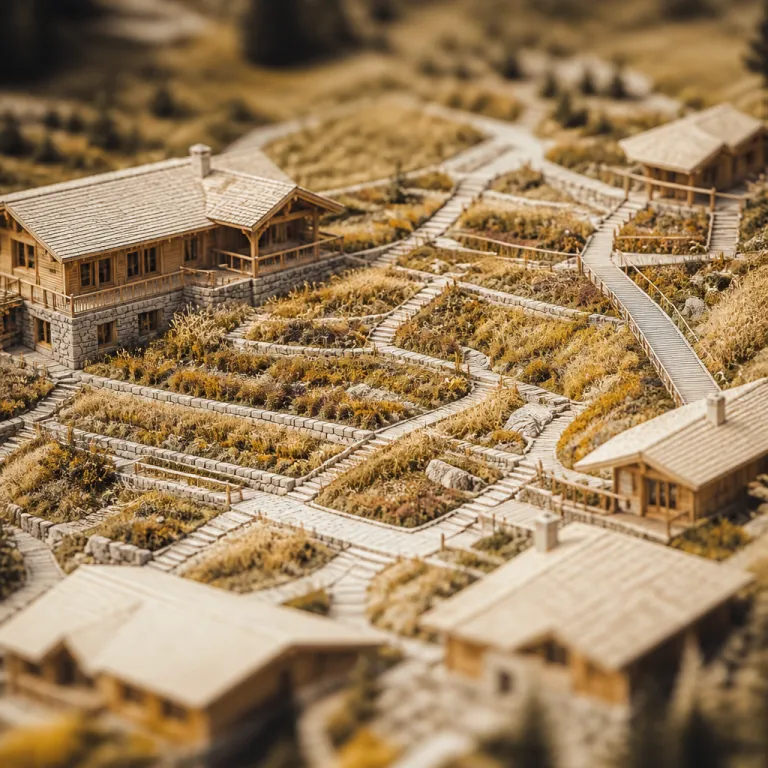
Why a mountain health resort in summer changes the wellness equation
Choosing a mountain health resort for summer alpine wellness means letting altitude, clean air, and cooler nights work alongside the therapists. At elevations around 1,800 metres, the body responds measurably: metabolism rises slightly, red blood cell production increases, and many guests report deeper sleep after just two or three nights. Controlled studies on moderate altitude stays (around 1,500–2,000 metres) have documented small but significant gains in oxygen efficiency and sleep continuity, so for families used to coastal humidity and urban heat, that shift can feel like a quiet medical intervention wrapped in a holiday.
High altitude environments are not abstract theory; they are the foundation of long standing climate therapy traditions from Davos to Bad Gastein, where physicians historically prescribed extended stays for respiratory and cardiovascular conditions. Modern spa resort teams now build structured altitude acclimatisation, guided outdoor exercise, and targeted spa treatments into their wellness programs, so the mountain itself becomes part of the clinical design rather than a scenic backdrop. In our review of publicly listed resort data in the USA, many flagship properties cluster around 1,800 metres (about 6,000 feet) and hover around 21 °C in summer, which is a meaningful difference when cities sit above 30 °C for weeks.
Guests often ask about safety at elevation, and the guidance is consistent across serious properties. “What are the benefits of high-altitude resorts?” and “How to prepare for altitude sickness?” sit alongside “Are these resorts family-friendly?” in pre arrival FAQs, and the answers are reassuringly practical. “Improved respiratory health, enhanced fitness, and mental well-being.”, “Hydrate, acclimate slowly, and consult a doctor if needed.”, and “Yes, many offer activities suitable for all ages.” are the kind of clear statements you should expect to see on a responsible resort website, ideally backed by a brief explanation of how staff monitor guests during the first 24 to 48 hours.
On a luxury booking website dedicated to health resorts, look for precise wellness language rather than vague promises. The best listings explain how altitude supports cardiovascular conditioning, how sleep labs or wearable tracking are used, and how the spa hotel integrates nutritional meals with outdoor activity. In many European countries, terms such as “superior” or “stars superior” indicate enhanced room standards or upgraded wellness access within a given star category; when a resort’s rating is paired with transparent program details and clear medical oversight, you know the property treats wellness as more than a marketing adjective.
For families, the summer advantage is straightforward yet under appreciated. Children and older relatives tolerate moderate mountain temperatures better than coastal heat, and shaded alpine trails replace crowded city pavements for daily movement. A carefully chosen mountain health resort for summer alpine wellness can therefore function as both a restorative break and a subtle reset for the whole household, especially when the stay is long enough to establish new sleep and activity routines.
From Davos to the Smokies: altitude traditions meet modern family wellness
Alpine wellness has deep roots in Europe, where physicians once prescribed entire seasons in Davos or the Tyrolean mountains for tuberculosis and asthma. Those early climate cures relied on the same fundamentals that matter to wellness minded families today: clean air, stable temperatures, and structured time outdoors. The difference now is that a contemporary spa resort layers evidence based diagnostics, physiotherapy, and nutrition over those historic foundations, often in collaboration with pulmonologists or sports medicine specialists.
In the United States, properties such as Blackberry Mountain in the Great Smoky Mountains translate that heritage into a 2,100 hectare private landscape of trails, meditation decks, and chef led nutrition programs. Park City Mountain Resort, Breckenridge Resort, Northstar California Resort, and Mount Princeton Hot Springs Resort each approach altitude differently, but all integrate guided hikes, wellness workshops, and thermal or mineral water access into their summer programming. These resorts also share a common operational philosophy: altitude acclimatisation is treated as a process, with staff trained to encourage hydration, gradual exertion, and sun protection rather than leaving guests to improvise.
Families booking through a curated wellness website should pay close attention to how each hotel describes its spa and outdoor offer. Look for website details that explain whether the spa resort has child friendly hydrotherapy zones, quiet adults only thermal suites, and supervised activities that keep younger guests engaged while parents attend a superior spa consultation. A clear section for “add favourites” or “favourites hotel” on a booking platform is more than a convenience; it allows you to compare resort stars, program inclusions, and room categories across several mountains before committing, and to share shortlists with other family members.
Summer is also the moment when North American mountain destinations feel most relaxed yet still clinically purposeful. At Mount Princeton Hot Springs Resort, for example, geothermal pools at altitude combine passive hydrotherapy with the cardiovascular stimulus of short hikes between pools and river. One family we interviewed alternated morning soaks with afternoon forest walks and reported lower resting heart rates and improved sleep within five days. If you are weighing a Great Smoky Mountains stay against a European alpine wellness break, consider starting with an elegant mountain cabin experience such as the restorative mountain escapes with private Jacuzzis in Gatlinburg to understand how your family responds to elevation, cooler nights, and more structured rest.
Once you have that baseline, you can use a specialist booking website to filter for spa hotel properties that match your family’s rhythm. Some guests prefer a quiet mountain resort with only a handful of superior spa suites and a strong focus on guided breathing work, while others want a larger resort stars property with ski lifts repurposed for summer hiking access. The key is aligning the altitude, the clinical depth, and the level of luxury with your own wellness priorities rather than chasing the most photogenic mountains or the highest number of stars.
Reading European alpine wellness listings like an insider
When you move from browsing to booking a European mountain health resort for summer alpine wellness, the language on each listing becomes your most reliable diagnostic tool. In Austria, Italy, and southern Germany, terms such as “alpine wellness”, “superior spa”, and “stars superior” carry specific meaning that goes beyond marketing gloss. Learning to decode them helps you separate serious health resorts from pretty but generic mountain hotels, and to understand which properties are genuinely equipped for altitude led programs.
Start with geography, because altitude and microclimate vary significantly between regions. In Tyrol Austria, many spa hotel properties sit between 1,200 and 1,800 metres, offering cooler nights and direct access to ski infrastructure that becomes a summer hiking network. Around Salzburg Austria and across the border in Bavaria Germany, elevations are often slightly lower but still high enough to support respiratory wellness, and you will find a mix of traditional family run hotel options and contemporary luxury resort stars addresses with panoramic pools and structured outdoor exercise schedules.
South of the main Alpine ridge, the Dolomites and the valleys of Trentino Alto Adige Italy offer a different flavour of mountain health resort. Here, listings may reference Alto Adige or Adige Italy specifically, signalling a blend of Italian and Austrian influences in both architecture and wellness philosophy. Many of these spa resort properties use the term “stars spa” or “stars superior” to indicate upgraded room categories with direct access to thermal or hydrotherapy zones, so always open the website details section rather than relying on headline labels or a single overall rating.
On a serious wellness booking website, you should also see clear regional filters such as Tyrol, Alto Adige, Trentino Alto, Salzburg, and Bavaria, ideally supported by dedicated Austria website and Germany website landing pages. A well designed Italy website will allow you to add favourites across several mountains, compare details add sections for each spa, and understand whether a property is more focused on ski season or on summer altitude programs. For a sense of how carefully curated alpine wellness can look in practice, study the kind of elevated pool and spa combinations highlighted in our guide to elegant hotels with panoramic pools in the Austrian Alps.
As you shortlist, pay attention to how each hotel frames its clinical offer. A luxury spa resort that mentions partnerships with local health experts, physiotherapists, and nutritionists, and that publishes clear program details, is usually a safer choice than a property that leans heavily on vague language about detox or energy. Use the “add favourites” function to create a private ranking of superior spa options, then compare not just price and stars but also altitude, program length, and whether the resort has family specific wellness tracks or separate quiet zones for adults.
Planning a family stay: practical steps for altitude led wellness
Once you have chosen a mountain health resort for summer alpine wellness, the way you plan your stay will determine how much benefit you actually gain from the altitude. Think of the first forty eight hours as a gentle acclimatisation window rather than a time to cram in every hike and treatment. That means booking arrival day spa access, early nights, and lighter meals so your body can adjust without unnecessary stress, especially if you are travelling from sea level or crossing time zones.
Most serious spa hotel teams now provide pre arrival guidance that echoes widely accepted altitude advice: stay hydrated, acclimate gradually, and use sun protection even when the air feels cool. At check in, ask the wellness équipe to map out a progression from gentle walks and breathing sessions to more demanding mountain or ski lift assisted hikes later in the week. Families with children should request age specific programming, ensuring that younger guests enjoy guided nature activities while adults attend consultations or hydrotherapy sessions in quieter superior spa zones.
On a curated booking website, use the website details and details add sections to understand how each resort sequences its programs across a typical summer week. Some luxury properties in Austria, Italy, and Bavaria Germany design Monday to Wednesday around diagnostics and low intensity movement, then build towards more challenging mountain excursions and contrast hydrotherapy from Thursday onwards. Others in Tyrol Austria, Alto Adige, or Adige Italy may integrate local traditions such as hay baths, Kneipp paths, or forest bathing into daily routines, which can be particularly grounding for families seeking a slower rhythm and more time outdoors.
Heat sensitive travelers should also think seasonally and geographically beyond the classic Alps. Our analysis of shifting wellness travel patterns, explored in depth in the feature on why northern destinations are becoming the summer wellness picks, shows a clear move toward cooler, higher latitude and higher altitude stays. When you combine that macro trend with the micro choices available on a specialist health resort website, you can use tools such as “add favourites” and “favourites hotel” lists to build a personal portfolio of mountain and alpine wellness options for several summers ahead.
Finally, treat your booking as part of a longer wellness strategy rather than a one off escape. Choose a resort stars level that matches your budget but prioritise properties where the spa resort team shares post stay guidance on maintaining improved sleep, respiratory health, and cardiovascular conditioning at home. The most valuable luxury in the mountains is not the thread count or the number of stars, but the way altitude, clinical expertise, and silence combine to shift how your family feels long after you have left the valley.
FAQ
How does altitude at a mountain health resort support wellness in summer ?
Moderate altitude, typically between 1,200 and 2,000 metres, gently increases your red blood cell count and can improve oxygen efficiency, which supports cardiovascular conditioning. Cooler, drier air at these elevations often reduces inflammation in the respiratory tract and helps many guests breathe more easily at night. Combined with structured outdoor activity and targeted spa treatments, this environment can enhance both metabolic function and sleep quality during a summer stay, particularly when visits last at least five to seven nights.
How should families prepare for a first stay at a high altitude spa hotel ?
Begin by scheduling a medical check if any family member has cardiovascular or respiratory conditions, and share those details with the resort’s wellness équipe before arrival. Plan a gentle first day with plenty of water, minimal alcohol, and early nights so everyone can acclimatise gradually. Pack layered clothing, high SPF sun protection, and supportive footwear, because mountain weather can shift quickly even in peak summer and trails may involve uneven terrain.
Are mountain health resorts suitable for children and older travelers ?
Most serious alpine wellness properties are designed as multi generational environments, with supervised activities for children and lower intensity movement options for older guests. When reviewing a booking website, look for clear information on family friendly pools, flexible dining times, and accessible walking routes around the resort. If a hotel offers tailored programs by age group and publishes safety protocols for altitude, it is usually well prepared to host families and to adapt schedules if anyone needs a slower pace.
What is the main difference between a coastal spa resort and a mountain wellness stay in summer ?
Coastal resorts often focus on thalassotherapy, humidity, and sea air, while mountain health resorts use altitude, cooler temperatures, and cleaner air as core therapeutic tools. In summer, that means less heat stress on the cardiovascular system and more comfortable conditions for daytime activity in the mountains. Programmes at alpine wellness properties typically emphasise guided hikes, breath work, and sleep optimisation rather than beach based relaxation alone, and may include structured acclimatisation plans for guests arriving from sea level.
How can I evaluate the quality of a mountain spa resort when booking online ?
Look beyond the number of stars and study the website details for each property, focusing on clinical partnerships, staff qualifications, and the structure of wellness programs. A trustworthy booking website will allow you to add favourites, compare resort stars and stars superior categories, and read transparent descriptions of spa facilities and altitude related guidance. If the information is vague or heavily marketing driven, consider choosing a different hotel where the wellness offer is explained with more precision and where altitude is treated as a therapeutic factor rather than just a scenic setting.