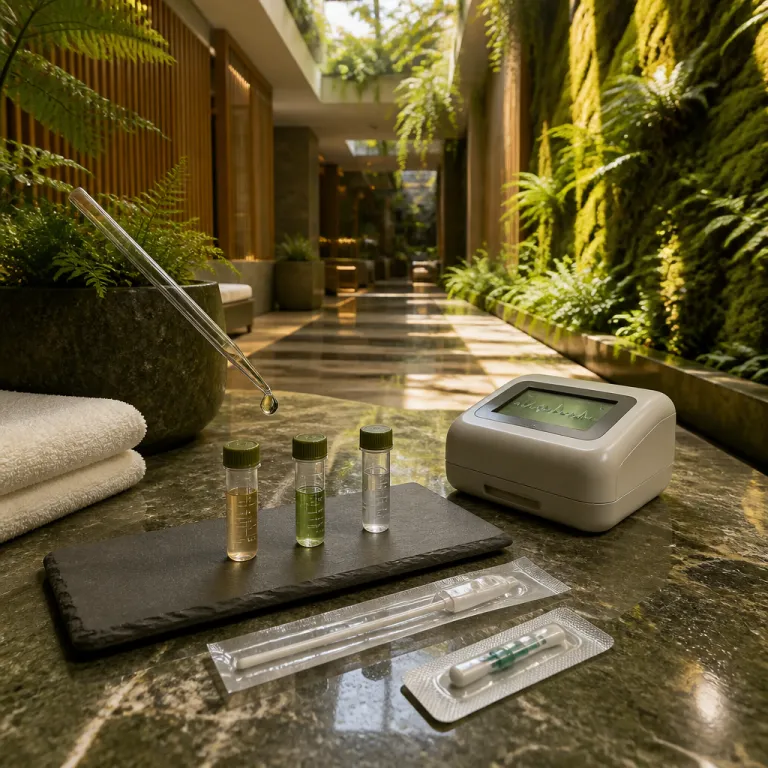
How a biomarker testing health resort longevity program really works
At serious wellness retreats, biomarker testing is no longer a sideshow; it is the spine of every longevity program worth your time. A credible biomarker testing health resort longevity program starts before your massage robe appears, with a structured intake, a clear explanation of tests, and a timetable that runs from initial assessment to final review. When health resort staff conduct tests, they are not just taking blood or saliva samples, they are feeding a data driven map of your current health and future aging trajectory.
The best wellness retreat teams pair hospitality finesse with medical rigor, so guests move from spa reception to medical center without losing the sense of calm. You will usually meet both health resort staff who conduct tests and medical professionals who interpret results, because the event type here is not a vague wellness check but defined biomarker testing with explicit objectives such as evaluating health status, identifying potential issues, and guiding personalized health programs. Methods range from standard blood tests and urine analysis to more advanced diagnostics like DEXA body composition scans, electrocardiograms, and carotid ultrasounds, all of which feed into a broader longevity program focused on metabolic health and biological age.
Across wellness retreats worldwide, the timeline typically follows three phases, and you should insist on seeing this structure before booking. There is an initial assessment on arrival, a mid stay evaluation to adjust your personalized protocol, and a final review that should translate diagnostics into long term recommendations rather than a glossy folder of unexplained data. When you read that a property offers a biomarker testing health resort longevity program, ask how often you will meet a physician, how clinical outcomes are tracked, and whether the resort partners with certified laboratories or full longevity clinics for laboratory work.
From basic blood work to advanced diagnostics: what you actually get
The spectrum of testing at health wellness properties is wide, and the price gap is even wider. At one end, you have basic blood panels costing a few hundred dollars, which can still inform a focused longevity program if interpreted through evidence based longevity medicine rather than generic wellness advice. At the other, you find advanced diagnostics packages running into five figures, layering biomarker analysis, body composition imaging, metabolic health profiling, and sometimes genomic sequencing into a dense clinical dossier.
Canyon Ranch Longevity8 is the current reference point for maximalist testing, with more than 250 biomarkers measured across a four day stay that reportedly costs around USD 20,000 and includes electrocardiograms, carotid ultrasounds, DEXA scans, and 18 one on one consultations. That kind of medical center level experience blurs the line between resort and longevity clinic, and it only makes sense for guests who want a deeply clinical approach and are ready to act on the data. Many wellness retreats now sit in the middle, offering a biomarker testing health resort longevity program that combines standard medicine diagnostics with a few cutting edge tools such as continuous glucose monitoring or computerized cognitive assessment, without the full intensity of a hospital stay.
When comparing offers, look beyond the marketing language and ask which diagnostics are run on site and which are sent to external clinics or university affiliated laboratories. A partnership with a respected state university or teaching hospital can add real authority, because it signals that clinical protocols, machine learning models, and data handling follow medical standards rather than spa trends. If you are weighing premium packages or exclusive deals, use any premium wellness offers to upgrade interpretation time, not just to add more tests, because outcomes improve when a physician has space to translate data into personalized health programs instead of rushing through a checklist.
Longevity clinics, wellness retreats, and the credential question
Not every property calling itself a longevity clinic is operating at the same clinical level, and that matters when your health is on the line. Some wellness retreat operators run genuine longevity clinics with licensed physicians, clinical diagnostics, and clear medical oversight, while others offer wellness clinics that focus on lifestyle coaching with only limited medicine input. The difference shows up in how they handle diagnostics, whether they can prescribe or adjust medication, and how they manage patients who present with complex aging related conditions.
RAKxa in Thailand is a useful benchmark, because it partners with VitalLife at Bumrungrad Hospital to deliver medical grade diagnostics that bridge resort wellness and hospital medicine. That model means guests can enjoy the calm of a wellness retreat while accessing a full medical center infrastructure, including advanced diagnostics, imaging, and laboratory medicine that meet hospital standards. Clinique La Prairie, preparing to open at AMAALA in Saudi Arabia, is following a similar path, positioning its longevity clinics as extensions of its Swiss medical center, with longevity medicine protocols that are explicitly clinical rather than purely holistic.
For couples or solo travelers comparing wellness retreats and longevity clinics, credentials should carry more weight than design or Instagram appeal. Check whether the property is registered as a medical center, whether physicians are board certified, and whether diagnostics are processed in accredited clinics or university laboratories rather than unregulated facilities. If you are planning a shared health journey, resources on wellness travel for couples can help you align expectations, but the core rule remains simple, you should never let a romantic setting distract you from asking hard questions about clinical governance and safety.
What your biomarkers reveal about aging, biological age, and metabolic health
Biomarker testing only earns its place in a longevity program if it tells you something meaningful about how you are aging. Standard panels look at cholesterol, inflammation markers, blood sugar, and organ function, which already sketch a picture of your metabolic health and cardiovascular risk. More advanced diagnostics add body composition analysis, hormone profiles, and sometimes epigenetic clocks that estimate biological age, giving guests a more nuanced sense of how their lifestyle and genetics are interacting.
Sensei Lānaʻi has leaned into this data driven approach by introducing continuous glucose monitoring devices and computerized cognitive assessments as standalone wellness experiences, turning everyday behavior into a stream of health data. Used well, these tools can highlight how your body responds to specific foods, stress, and sleep patterns, and they can inform personalized health programs that extend beyond the wellness retreat. Used poorly, they become data theater, where guests leave with graphs and dashboards but no clear clinical outcomes or long term plan.
Machine learning is increasingly used behind the scenes to interpret complex biomarker analysis, especially when clinics aggregate anonymized data across many patients to refine risk models. The most responsible longevity clinics are transparent about how these algorithms are developed, whether they are validated in collaboration with a university or state university, and how they support rather than replace physician judgment. When you evaluate a biomarker testing health resort longevity program, ask how your data will be used, whether it contributes to research with a digital object identifier (doi), and how the resort ensures that any predictive models remain evidence based and clinically relevant.
From data to action: personalized protocols, follow up, and long term impact
The real test of any biomarker testing health resort longevity program is what happens after the lab results arrive. A thick folder of data without a clear narrative is a failure of both medicine and hospitality, because guests leave confused rather than empowered. The best wellness retreats translate diagnostics into a personalized protocol that covers nutrition, movement, sleep, stress management, and, where appropriate, medical interventions, all mapped against your biological age and metabolic health profile.
At high performing longevity clinics, you will usually sit down with a physician who walks you through each key biomarker, explains how it relates to aging, and outlines specific steps to improve outcomes. That conversation should distinguish between short term tweaks you can make during the stay and long term changes that require follow up with your own doctor or a partner clinic back home. Some medical centers now offer structured telemedicine follow up, using secure platforms to review new blood tests, adjust health programs, and keep your longevity program aligned with real world constraints.
For solo travelers, the question is often whether such a clinically intense stay will feel isolating, and this is where property selection matters. A guide to choosing the right health resort when traveling alone can help you balance social atmosphere with the privacy needed for medical consultations and diagnostics. Whatever your travel style, insist that any wellness retreat or longevity clinic you book provides a written plan, clear referral pathways to external clinics or a university hospital if needed, and realistic timelines for re testing key biomarkers to track progress.
When to be skeptical: red flags, data theater, and your own physician
Luxury wellness has a talent for wrapping weak science in beautiful packaging, and biomarker testing is particularly vulnerable to this. Be wary of any wellness retreat that advertises a biomarker testing health resort longevity program but cannot explain which diagnostics are used, how samples are processed, or who is legally responsible for interpreting results. A spa menu that lists hundreds of biomarkers without mentioning a medical director, a partner clinic, or a university affiliation is selling spectacle, not safety.
There are a few reliable filters you can apply before booking, and they start with credentials and transparency. Ask whether the resort works with certified laboratories and healthcare providers, whether medical professionals are on site throughout your stay, and how they handle abnormal findings that require urgent medicine intervention. Remember the simple guidance shared by many specialists, "What is biomarker testing? Assessing biological indicators of health." "Are these tests reliable? Depends on resort's standards and practices." "Should I consult my doctor? Yes, before and after testing."
Your own physician or specialist should remain the anchor for any long term health decisions, even if a resort medical center uncovers new information about your aging or metabolic health. Before you commit to a high priced longevity program, share the proposed diagnostics and protocols with your doctor, and ask whether the tests are appropriate for your clinical history and current medications. A credible longevity clinic will welcome that scrutiny, provide clear documentation, and encourage you to integrate resort findings into your existing care rather than replacing it wholesale.
Key figures on biomarker testing and health resort outcomes
- A recent wellness industry report indicates that around 60 % of health resorts now offer some form of biomarker testing, showing how quickly diagnostics have moved from fringe service to mainstream expectation.
- Guest surveys from health resorts report that approximately 75 % of participants feel their health has improved after programs that integrate biomarker analysis into personalized protocols, highlighting the perceived value of data informed wellness.
- Comprehensive longevity programs that include advanced diagnostics such as DEXA body composition scans, electrocardiograms, and carotid ultrasounds can cost between USD 5,000 and USD 20,000 per stay, while basic blood panels typically range from USD 200 to USD 500.
- High end programs like Canyon Ranch Longevity8 may measure more than 250 biomarkers over four days, illustrating how dense the data can become if interpretation time and follow up are not built into the schedule.
- Resorts that partner with hospital grade clinics or university medical centers can access a broader range of diagnostics, but they also operate under stricter clinical governance, which tends to improve safety and accountability for guests.
FAQ about biomarker testing at health resorts
What is biomarker testing in a health resort setting ?
Biomarker testing in a health resort setting refers to the assessment of measurable indicators in blood, urine, saliva, or imaging that reflect your current health status and aging trajectory. These diagnostics can range from basic blood panels to advanced body composition scans and epigenetic tests, depending on whether the property operates more like a spa or a full longevity clinic. The goal is to generate data that can guide personalized health programs during and after your stay.
How reliable are biomarker tests offered by wellness retreats ?
The reliability of biomarker tests at wellness retreats depends on the standards, laboratories, and medical oversight involved. Resorts that partner with certified laboratories, hospital affiliated clinics, or university medical centers are more likely to deliver accurate, clinically meaningful results. Before booking, ask where samples are processed, who interprets them, and how abnormal findings are handled in case they require urgent medicine intervention.
Should I talk to my own doctor before booking a longevity program ?
Yes, you should always consult your own physician before and after any intensive longevity program that includes biomarker testing. Your doctor can help you decide which diagnostics are appropriate for your medical history, medications, and current symptoms, and they can also integrate resort findings into your ongoing care. Sharing the proposed test list and protocols in advance is a simple way to ensure that your wellness retreat complements rather than conflicts with your existing treatment plan.
What is the difference between a wellness retreat and a longevity clinic ?
A wellness retreat typically focuses on lifestyle interventions such as nutrition, movement, and stress reduction, sometimes with limited diagnostics and no capacity to prescribe or adjust medication. A longevity clinic operates under medical center standards, with licensed physicians, clinical diagnostics, and the ability to manage patients with more complex health needs. Many modern properties blend both models, so you should check whether the services you are booking fall under hospitality, medicine, or a clearly regulated hybrid.
How can I tell if a biomarker testing package is worth the price ?
A biomarker testing package is worth the price when the diagnostics are appropriate for your goals, interpreted by qualified medical professionals, and translated into a clear, personalized plan with realistic follow up. Look for evidence based protocols, transparent pricing, and partnerships with reputable clinics or universities rather than vague promises of cutting edge technology. If a program emphasizes the number of biomarkers more than the quality of outcomes or long term support, you are likely paying for data theater rather than meaningful health gains.