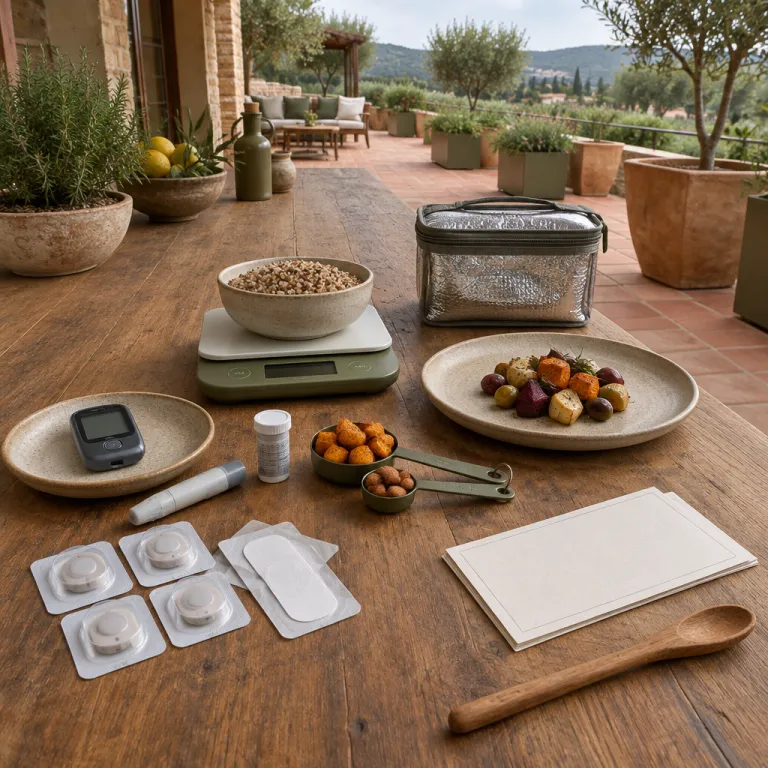
From lab tech to lunch plate: what continuous glucose data really shows
Luxury health resorts are quietly reshaping dining rooms around continuous glucose data. A continuous glucose monitoring wellness resort menu now reads less like a spa pamphlet and more like a thoughtful response to how your blood sugar behaves over time. For travelers used to traditional diabetes care, seeing their glucose levels translated into plated food can feel both reassuring and slightly clinical.
Continuous glucose monitoring began as a medical tool for diabetes management, tracking interstitial glucose every few minutes to map glycaemic patterns. Today, the same monitoring system and every type of glucose monitor, from medical grade devices to the popular Freestyle Libre sensor, is migrating into wellness programs that promise better metabolic health and more stable blood glucose. Resorts position this shift as a bridge between diabetes endocrinology and lifestyle nutrition, using real time glucose monitoring to personalise each diet rather than relying on generic dietary advice.
What does the sensor actually measure during your stay, and why does it matter for a resort menu ? A continuous glucose device tracks continuous glucose levels in real time, highlighting glucose spikes after meals, overnight trends and the impact of movement on blood sugar. The data does not diagnose diabetes or insulin resistance on its own, but it does reveal how your current diet and diets from previous weeks may be affecting weight, long term metabolic management and overall health.
Why your glucose response is personal, and how resorts are using it
Two guests can eat the same breakfast and record very different blood glucose curves. That is why a continuous glucose monitoring wellness resort menu focuses on individual glucose monitoring rather than one size fits all dietary rules. For travelers who already live with diabetes, this level of personalisation feels familiar, but for others it can be a new way to see how diet, sleep and stress shape glucose levels.
Resorts now build pre arrival questionnaires around metabolic health, asking about diabetes management, weight history, previous low carbohydrate diets and any diagnosis of diabetic conditions. Some properties invite guests to apply a Freestyle Libre or similar glucose monitor a few days before arrival, so the équipe can review early blood sugar data and design a more targeted diet plan. When done well, this turns the continuous glucose data into a quiet concierge, nudging you toward menu choices that reduce glucose spikes without turning every meal into a lecture on insulin and glycaemic load.
During the stay, chefs and nutritionists collaborate to align each dietary plan with the monitoring system outputs in almost real time. Breakfast might shift from fruit juice and pastries to a low carbohydrate plate with eggs, leafy vegetables and cultured dairy if your continuous glucose readings show sharp post meal peaks. If you are weighing whether a wellness resort stay is worth it from a metabolic perspective, this kind of data led dining can be a meaningful return on your health investment, especially when the program is clearly explained and medically supervised through structured diabetes care.
Inside the continuous glucose monitoring wellness resort menu
On property, the continuous glucose monitoring wellness resort menu usually starts with a baseline reading and a conversation, not a restriction list. A clinician or dietitian will look at your recent continuous glucose patterns, your weight goals and any history of diabetes or insulin resistance before suggesting how to navigate the dining room. The aim is not to label foods as good or bad, but to understand how specific diets interact with your own blood glucose response over time.
Expect to see menus coded for glycaemic impact, with symbols for low carbohydrate dishes, slow release carbohydrates and higher protein options. A guest whose glucose monitor shows frequent glucose spikes after refined grains might be guided toward barley, lentils or buckwheat instead of white rice, while someone with diabetic concerns may receive stricter parameters that echo clinical diabetes management. Resorts that require multi day minimum stays often achieve better results, because continuous glucose data becomes more meaningful when tracked across several days of consistent diet and movement.
Some properties integrate movement prompts directly into the dining experience, using real time glucose monitoring to suggest a gentle walk after lunch or a few minutes in the pool. When the monitoring system shows a steep rise in blood sugar, staff may propose a tailored activity rather than a reprimand, reframing diabetes care principles as supportive coaching. Over a week, guests can see how small shifts in diet, timing and post meal movement affect both weight loss trajectories and long term glucose levels, which is far more informative than a single fasting reading.
The evidence line: what the data can and cannot tell you
Continuous glucose monitoring sits at the intersection of clinical diabetes endocrinology and aspirational wellness, which makes the evidence conversation essential. In medical settings, continuous glucose and blood glucose data guide insulin dosing, diabetes management and the prevention of dangerous lows or highs over time. In a resort, the same glucose monitoring information is repurposed to refine diet choices, support weight loss and encourage healthier habits, but it should never be sold as a diagnostic shortcut.
Most of what we know about glucose, insulin resistance and dietary patterns comes from peer reviewed study results indexed in PubMed and PubMed NCBI, often archived in PMC and linked through NLM and NCBI NLM platforms. These studies, many funded by NIH and catalogued under NLM NIH initiatives, focus primarily on diabetic populations rather than healthy travelers experimenting with low carbohydrate diets for curiosity. That means the strongest evidence supports continuous glucose monitoring as a tool for diabetes care and diabetes management, while its role in general wellness remains promising but less clearly defined.
For you as a guest, the practical takeaway is simple yet nuanced. A continuous glucose monitoring wellness resort menu can reliably show which meals trigger your biggest glucose spikes and how adjusting diet composition or meal timing changes your blood sugar curve. It cannot, on its own, predict long term disease risk, guarantee weight loss or replace a full medical assessment, so any resort that claims otherwise is stretching the science beyond what the current study landscape supports.
The experience trade off: serenity, sensors and who this is really for
Wearing a sensor on holiday is not for everyone, even when the property promises a beautifully curated continuous glucose monitoring wellness resort menu. Some travelers relish the real time feedback from their glucose monitor, watching blood glucose graphs rise and fall between the thermal pool and the dining room. Others find that constant monitoring pulls them out of the restorative mindset they came for, turning a retreat into a rolling experiment in insulin and diet.
The guests who benefit most tend to have clear metabolic goals, whether that is early stage insulin resistance, a history of gestational diabetes, stubborn weight gain or a desire to refine existing low carbohydrate diets. For them, seeing continuous glucose data mapped against specific dietary choices can be empowering, especially when interpreted by clinicians who are fluent in diabetes endocrinology rather than by generic wellness coaches. Travelers without any blood sugar concerns may still enjoy the insight, but they should ask whether the extra layer of monitoring system complexity enhances or distracts from their health priorities.
Before you book, ask who will interpret your glucose monitoring data, how long the resort keeps your health données and whether the program is overseen by qualified medical staff. Clarify whether the continuous glucose insights will translate into a practical diet plan you can sustain at home, or whether they remain a one time experiment tied only to the resort menu. If you prefer a more sensory led approach to wellness, you might lean toward properties that focus on thermal circuits, hydrotherapy and carefully designed spa journeys, where the emphasis is less on numbers and more on how your body feels after a day of unhurried care.
FAQ
Is a continuous glucose monitoring wellness resort menu only for people with diabetes ?
No, these programs are not limited to diabetic guests, although they originated in diabetes care. Resorts now use continuous glucose monitoring to help a broader range of travelers understand their blood sugar responses, weight patterns and dietary triggers. If you have diagnosed diabetes or insulin resistance, you should confirm that the property has appropriate medical oversight before relying on its menu for diabetes management.
Will wearing a glucose monitor on holiday feel intrusive or stressful ?
Experiences vary widely, and your tolerance for data will shape how you feel. Some guests enjoy seeing real time glucose levels and find that it deepens their engagement with the resort menu and movement options. Others feel that constant glucose monitoring turns meals into tests, so it is worth reflecting on whether you want numbers to guide your stay or prefer a more intuitive approach.
Can a resort program using continuous glucose monitoring help with weight loss ?
Continuous glucose data can highlight which foods and diets lead to frequent glucose spikes, which may indirectly support weight loss when you adjust your diet accordingly. However, weight change also depends on total energy intake, movement, sleep and long term habits beyond the resort. A responsible property will frame the continuous glucose monitoring wellness resort menu as one tool among many, not as a guaranteed shortcut to a lower weight.
What questions should I ask before booking a glucose focused wellness stay ?
Ask who reviews your glucose data, whether they have formal training in diabetes endocrinology or nutrition science and how your health données are stored after departure. Clarify whether the program includes a personalised dietary plan you can follow at home and how the resort handles guests with existing diabetes or complex medication regimens. It is also wise to ask how much of your stay will revolve around monitoring versus restorative experiences like hydrotherapy, movement and sleep support.
Do I need my own Freestyle Libre or similar device, or will the resort provide one ?
Policies differ between properties, so you should confirm this before arrival. Some resorts supply a Freestyle Libre or comparable glucose monitor as part of the package, while others expect guests already using continuous glucose systems to bring their own. If you are new to glucose monitoring, look for a program that includes device fitting, clear education and on site support so that the technology enhances rather than complicates your stay.