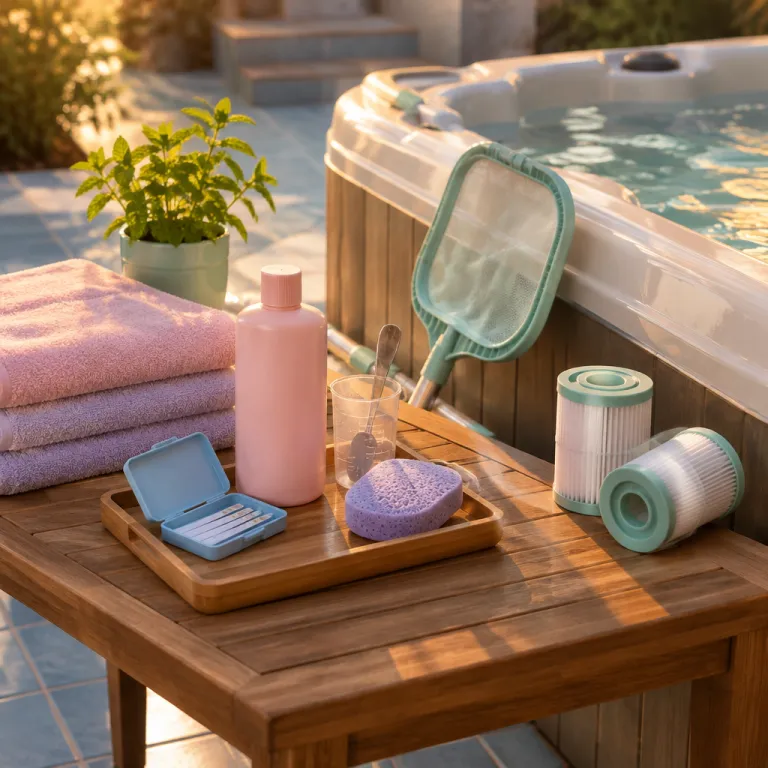
Why luxury spa guests care about foam free hot tubs
When you arrive at a luxury health resort, you expect spa water that looks crystal clear, smells neutral, and feels indulgently soft. In premium hot tubs, even a thin layer of bubbles can break the spell of calm, so understanding how to eliminate foam in hot tub settings becomes part of the overall wellness experience. Guests booking high end spa stays now ask detailed questions about water balance, spa care routines, and how each hot tub is refreshed and sanitised between sessions.
For a resort, visible tub foam signals more than a cosmetic issue, because it suggests that the water balance or sanitizer levels may not be perfectly tuned for holistic relaxation. Operators who manage several hot tubs across a spa and pool complex must keep every water surface foam free while also protecting sensitive skin, eyes, and respiratory comfort. This is why serious properties train their team to monitor foam, water clarity, and filter performance with the same rigor they apply to massage protocols, movement classes, or nutrition plans.
From a guest perspective, a foamy hot surface can raise doubts about overall spa care, even when the spa water is technically safe. Luxury travelers want reassurance that each hot tub uses fresh water on a precise schedule, that filters are cleaned on time, and that low calcium or excess oils from cosmetics are handled before they cause persistent bubbles. When you compare health resorts online, pay attention to how they describe their approach to water softness management, calcium hardness testing, and how they keep every hot tub inviting and hygienic between treatments.
How foam forms in hot tubs at health resorts
Foam in any hot tub usually comes from a mix of body oils, cosmetics, sweat, and imbalanced spa water chemistry. In a busy resort spa and pool area, more guests mean more lotions, hair products, and even a small amount of detergent from swimwear, which all collect in the water over time. When powerful spa jets push air through this contaminated water, they trap these substances in bubbles, creating persistent foam patches on the surface.
Water balance plays a central role, because low calcium levels and very soft water make bubbles more stable and harder to break. If calcium hardness is below the recommended range of roughly 150–250 parts per million (ppm) for many acrylic hot tubs, the silky texture that feels pleasant on the skin can also encourage long lasting foam that clings to the sides. Resorts that manage several hot tubs must test for low calcium frequently, then adjust with calcium increaser products to keep the water in the ideal range for both comfort and clarity.
Filtration and sanitizer levels complete the picture, since an overworked or clogged filter cannot remove dissolved contaminants fast enough. When sanitizer such as chlorine or bromine is too low, organic material builds up in the spa water and eventually leads to cloudy, foamy water even if the surface looks clean at the start of the day. Properties that promote holistic spa journeys, such as those highlighted in detailed case studies of holistic spa journeys in Jozankei Onsen, typically publish clear maintenance standards so guests understand exactly how they keep every hot tub foam free.
Practical steps resorts use to eliminate foam in hot tubs
To manage how to eliminate foam in hot tub environments, leading health resorts follow a strict sequence that starts with testing and ends with guest education. The first step is always to check water balance, including pH (typically 7.2–7.8), total alkalinity (often 80–120 ppm), and calcium hardness, then adjust these values before adding any extra chemicals for spa care. Once the water is balanced, staff skim visible foam, backwash or rinse each filter, and only then consider using a targeted foam reducer if the bubbles on the surface persist.
When foam returns quickly after skimming, many properties schedule a partial drain and refill to dilute contaminants and restore fresh water quality. For heavily used hot tubs in thermal spa suites, a full drain and refill may be planned after a set number of bather loads or days of use, which keeps water consistently clear without over relying on chemicals. During these cycles, technicians inspect the hot tub shell, jets, and filters to remove any small amount of residue that could trap oils and encourage new foam.
Guest facing communication matters as much as technical work, because even the best water softness management fails if visitors enter the spa water covered in cosmetics. High end hotels now provide clear pre soak guidance, asking guests to shower, avoid heavy body oils, and rinse swimwear thoroughly to reduce foamy water risks. Many wellness properties that specialise in elegant hotel sauna experiences, such as those described in curated guides to holistic wellness escapes in Paris, include these steps in their digital concierge apps so travelers can prepare before arrival.
What to check before booking a spa suite with a private tub
When you choose a health resort with a private hot tub in your suite, ask specific questions about how they keep the spa water foam free. Request details about how often they perform a full drain and refill, how they test water balance, and whether they use separate filters and circulation pumps for each private hot tub. Properties that answer quickly and clearly usually have strong spa care protocols, which translates into cleaner water and a more relaxing stay.
It helps to explore the resort website for transparent information about hot tubs, pool maintenance, and overall wellness standards. Look for mentions of calcium hardness testing, low calcium correction, and how they manage soft water from local supplies, because these factors directly affect the risk of foam. If the property explains how they keep each hot tub crystal clear through a mix of filtration, sanitizer control, and regular cleaning, you can book with greater confidence.
Before confirming a reservation, use a simple checklist: confirm how often hot tubs are drained and refilled, how frequently sanitizer and calcium hardness are tested, whether private tubs have dedicated filtration, and how guests are briefed on pre soak showering and capacity limits. Travelers who value measurable wellness outcomes can also review how the resort talks about the return on health focused stays, especially in detailed guides on measuring the return on your health investment, because a venue that tracks such data carefully is more likely to apply the same discipline to spa care from the first start of the pumps each morning to the last water tests at closing time.
How guests can help keep resort hot tubs foam free
Even in the most carefully managed spa and pool facilities, guest habits strongly influence how to eliminate foam in hot tub environments. Before entering any hot tub, take a full shower with unscented soap to remove body oils, perfumes, and hair products that can create foamy water. Avoid applying fresh lotions or sunscreen immediately before soaking, and choose swimwear rinsed thoroughly to remove detergent residues that contribute to foam.
During your stay, pay attention to posted spa care guidelines about maximum time in the hot tubs and recommended group sizes. When too many people share a single hot tub at once, the sanitizer is consumed faster, the filter loads more quickly, and the risk of foam rises sharply. Respecting time limits and capacity rules helps keep the water balance stable, reduces the need for emergency drain and refill cycles, and ensures that every guest enjoys the same crystal clear experience.
Parents should take extra care with children, because playful splashing can push more contaminants into the water and strain the filters. Encourage shorter sessions for younger guests, and guide them to rinse thoroughly after using the pool before entering any hot tub. By following these small steps, you support the resort team in maintaining soft water that feels luxurious, foam free surfaces that look inviting, and spa water that remains clean from the start of the day until closing.
Design and maintenance standards in premium health resorts
Leading health resorts design their spa and pool zones so that every hot tub, plunge pool, and relaxation area supports both hygiene and holistic calm. They often separate quiet hydrotherapy spaces from family pools, which allows more precise control of spa water chemistry and reduces the chance that foamy surfaces will appear in adult only areas. Behind the scenes, technical rooms hold advanced filtration systems, multiple filters in parallel, and automated dosing units that maintain ideal sanitizer levels and water balance around the clock.
Many properties choose finishes and materials that make it easier to keep each hot tub clean, such as smooth shells that resist residue and well placed drains that simplify every drain and refill cycle. They also train a dedicated team to test for low calcium, adjust calcium hardness, and manage soft water from municipal supplies, because these factors directly affect foam formation. In practice, commercial spa operators often follow schedules based on guidance from organisations such as the Pool & Hot Tub Alliance, with daily checks of sanitizer and pH, frequent inspection and cleaning of filters, and regular draining and refilling to control dissolved solids that contribute to persistent foam.
From a guest viewpoint, these standards translate into hot tubs where the water feels like fresh water, looks crystal clear, and remains foam free even during busy periods. When you read property descriptions, look for specific references to spa care routines, such as daily filter cleaning, regular water replacement, and strict monitoring of sanitizer levels. Such details show that the resort understands how to eliminate foam in hot tub systems not as a one time fix, but as an ongoing commitment to health, comfort, and luxury.
Key figures on spa water quality and guest expectations
- According to the U.S. Centers for Disease Control and Prevention, properly maintained commercial hot tubs typically keep free chlorine in a higher range than residential pools, often around 3–10 milligrams per litre (mg/L), which helps control microbial growth that can worsen foam formation when sanitizer is depleted.
- Industry surveys from the International Spa Association report that water clarity and cleanliness rank among the top three decision factors for spa guests, showing that crystal clear, foam free water directly influences booking choices.
- Technical guidelines from the Pool & Hot Tub Alliance recommend draining and refilling a typical private hot tub every 3 to 4 months, or more frequently in commercial settings, to control dissolved solids that contribute to persistent foam and cloudy water.
- Studies on bather load in pools and spas indicate that each person can introduce around 1 to 2 grams of organic contaminants per session into spa water, underlining why even a small amount of extra use can quickly overwhelm filters and sanitizers without strict spa care routines.
FAQ about foam in hot tubs at luxury health resorts
Why does foam appear in a resort hot tub even when it looks clean
Foam often appears when body oils, cosmetics, and detergents accumulate in the spa water, even if the water looks clear at first glance. When air from the jets mixes with these substances, it creates stable bubbles that float on the surface. In commercial settings, higher bather loads make this more likely unless filtration, sanitizer levels, and water balance are carefully controlled.
Is hot tub foam at a spa dangerous for my health
Foam itself is usually a cosmetic issue, but it can indicate that the sanitizer is being consumed quickly by organic contaminants. If sanitizer levels drop too low, the risk of microbial growth increases, which can affect skin, eyes, or respiratory comfort. Reputable health resorts test water frequently and adjust chemicals or perform drain and refill cycles to keep conditions safe.
What should I do if I notice foamy water in my private spa suite
If you see persistent foam, cloudy water, or notice an unusual odour, contact the front desk or spa team immediately. Ask whether they can test the water balance, check sanitizer levels, and if necessary perform a fresh water change for your hot tub. High end properties will usually respond quickly, because maintaining foam free, crystal clear water is central to their guest promise.
How can I reduce the chance of creating foam during my stay
Shower thoroughly before each soak, avoid heavy lotions or oils, and rinse swimwear well to remove detergents. Limit the time and number of people in a single hot tub session, especially in smaller private tubs. These simple habits help the resort keep the water clean, reduce the load on filters, and minimise the need for extra chemicals.
What questions should I ask about spa water care before booking
Ask how often the resort drains and refills its hot tubs, how frequently they test sanitizer and calcium hardness, and whether private tubs receive dedicated filtration. You can also request information about staff training and any certifications from organisations such as the Pool & Hot Tub Alliance. Clear, confident answers indicate that the property understands how to eliminate foam in hot tub systems and prioritises your health and comfort.