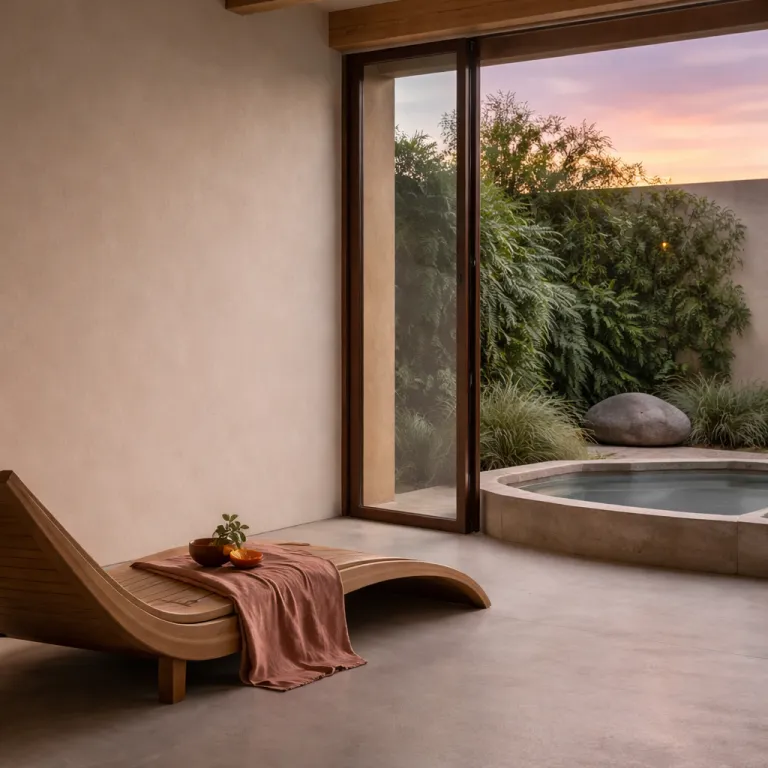
Why architecture is the first treatment in a biophilic design wellness resort
Step into a serious biophilic design wellness resort and the first therapy begins before any massage or medical consultation. The architecture, interior design and landscape are choreographed to create calm, lower cortisol and reconnect you with nature in a way that feels quietly clinical rather than theatrical. In the best wellness retreats, every corridor, terrace and thermal circuit is planned as a sequence of nature spaces that guide guests from overstimulation to deep rest.
Biophilic design means much more than adding plants to hotel lobbies or hanging a nature photo on the wall. It is a research based approach that integrates natural elements, natural materials, water features and natural light into the very bones of the resort, from floor ceiling glazing to cross ventilated villas. Terrapin Bright Green’s widely cited “14 Patterns of Biophilic Design” describes this as design that connects people with nature through direct contact, natural analogues and spatial configurations that echo landscapes, and their publication is now a standard reference in wellness architecture and hospitality design.
For couples booking a luxury health retreat, this matters because the building either supports or sabotages every wellness experience. A room with poor air quality, harsh lighting and no meaningful views will undermine even the best spa program or medical consultation. By contrast, a resort that is creating spaces with biophilic design principles can turn simple rituals like bathing, sleeping and walking to breakfast into powerful wellness experiences that feel like part of a continuous therapeutic program rather than isolated treatments.
What biophilic design looks and feels like in real wellness retreats
In practice, a biophilic design wellness resort uses natural materials such as stone, timber and bamboo wherever your hand or bare foot might touch. These friendly materials feel warm, reduce acoustic echo and help guests regulate temperature more comfortably, which is crucial between saunas, cold plunges and hydrotherapy pools. Many contemporary spa architects now treat every spa suite and thermal pavilion as a nature space rather than a sealed treatment box, and their project descriptions often highlight how material choices and openings keep guests in constant contact with the surrounding landscape.
Look at the best wellness retreats and you will notice repeating patterns in their spaces and features. Floor ceiling windows frame long views of water, forest or mountains, while indoor outdoor thresholds blur the line between villa, terrace and garden so that guests move through natural elements all day. At properties such as Soneva Jani, Capella Lodge or Alila Villas in Uluwatu, the villas and shared areas are arranged to catch natural light, sea breezes and the sound of water features instead of traffic or mechanical noise, and their published photo galleries and architectural descriptions make these design moves easy to study in detail, including how decks, pools and gardens are layered.
Even in colder climates, serious wellness resorts use biophilic design to keep guests close to nature without sacrificing comfort. Arctic Bath in Swedish Lapland, for example, wraps its spa and rooms in natural materials while floating directly on a river, so the water and sky remain the main visual anchors. In dense cities, projects like Parkroyal Collection Pickering show how a hotel can create layered gardens, sky terraces and eco friendly facades that feel almost like a vertical Central Park for stressed urban travelers, with sectional diagrams and plans that reveal just how much of the building is devoted to greenery and outdoor circulation.
The science behind natural light, materials and spatial flow
Biophilic design is not a mood board trend; it is backed by measurable data on how nature affects the nervous system. Roger Ulrich’s classic hospital study, “View Through a Window May Influence Recovery from Surgery” (Science, 1984), showed that patients with views of trees recovered faster and needed fewer painkillers than those facing a brick wall, and similar mechanisms apply when guests spend several days in a biophilic design wellness resort. The Human Spaces report on biophilic workplaces, commissioned by Interface and authored by organizational psychologist Professor Sir Cary Cooper, found that staff in offices with strong nature connections reported higher well-being and around 15 percent greater creativity, while other workplace studies, such as research by the Heschong Mahone Group on daylight and health, have linked biophilic features to reductions in sick days of roughly 30 percent.
Architects and wellness consultants now work together to create spaces that support circadian rhythm, hormonal balance and respiratory health. Dr. Prem Jagyasi, a leading wellness consultant, summarises the logic simply: “It enhances guest well-being by integrating natural elements,” a point he reiterates in his published talks and advisory work on wellness tourism. In practice this means orienting villas and suites for sunrise or sunset views, using interior design with warm natural materials instead of reflective plastics, and specifying air purification systems that quietly filter treatment rooms and bedrooms to support deeper sleep and easier breathing.
Smart wellness resorts also use technology to support biophilic principles rather than fight them. Circadian lighting systems shift colour temperature through the day to mimic natural light patterns, while temperature controlled floors and walls allow more generous use of glass without creating cold spots. When you see a resort talking about eco friendly operations, ask how geothermal energy, water features and passive ventilation are used to reduce mechanical noise and keep spaces comfortable without constant air conditioning, and whether these systems are described in enough detail to feel credible rather than purely marketing driven.
Case studies where design is integral to the therapeutic program
Some properties now treat architecture as part of the medical and spa protocol, not just a backdrop for social media photos. At Soneva Jani in the Maldives, treatment pods float above water so that every wellness experience is framed by lagoon views, soft breezes and the sound of gentle waves. The resort uses natural materials and indoor outdoor walkways to keep guests barefoot and grounded, turning each walk between spaces into a micro retreat, and its published plans and photography clearly show how the overwater villas, spa and observatory are stitched together by the lagoon and surrounding reef.
In Indonesia, Alila Villas in Uluwatu shows how a clifftop hotel can create a true biophilic design wellness resort without feeling rustic. Villas Uluwatu style pavilions use floor ceiling openings, water features and shaded courtyards to channel wind and natural light, so couples can move from spa to villa to restaurant while always connected to nature. The interior design relies on local stone, timber and other friendly materials, which keeps the luxury aesthetic calm rather than glossy, and the resort’s architectural drawings highlight how each pavilion is oriented to capture ocean views and prevailing breezes while maintaining privacy.
Urban wellness retreats face different constraints, yet the best examples still prioritise nature space and biophilic design. Parkroyal Collection Pickering wraps its hotel floors in sky gardens, water features and layered terraces, so guests look out onto greenery instead of concrete. For travellers who cannot escape to Arctic Bath or Capella Lodge, a property like this offers a meaningful connection to nature in the middle of the city and proves that biophilic design can work in both singular resorts and large scale hotels, as confirmed by the way its section drawings reveal entire levels devoted to planted terraces and open air walkways.
How to read photos, floor plans and design language before you book
When you browse a potential biophilic design wellness resort on a booking website, treat the gallery like a diagnostic tool. Look closely at each photo and ask whether you see real natural materials, generous natural light and genuine views of nature or just decorative plants. If every image shows closed curtains, artificial lighting and shiny surfaces, the hotel is probably using wellness language without offering a true retreat, so move on to properties where the imagery clearly shows guests inhabiting terraces, pools and gardens, ideally with captions or alt text that describe the landscape and materials.
Floor plans and room descriptions can reveal how seriously a resort takes biophilic design and wellness retreats. Prioritise layouts where bed lines face windows, where bathrooms have windows or skylights, and where indoor outdoor transitions are clear rather than symbolic. As a quick checklist, look for cross ventilation arrows or notes on breezes, water features that run through key circulation routes, eco friendly construction details such as green roofs, and repeated references to local stone or timber that suggest a real nature space rather than a themed set, along with any mention of daylight studies or acoustic design.
Finally, read between the lines of the design narrative and the way the resort talks about its retreats. Serious properties reference partners such as architects, interior designers and landscape architects, and they explain how natural elements support specific wellness goals like stress reduction or respiratory health. When a hotel describes creating spaces with biophilic design, mentions friendly materials and shows couples actually using terraces, pools and gardens, you are far more likely to arrive at a retreat where the architecture feels like the first and most constant treatment, quietly shaping every moment of your stay.
FAQ
What is biophilic design in a wellness resort context ?
Biophilic design in a wellness resort means planning buildings, interiors and landscapes so that guests stay in close contact with nature throughout their stay. This includes natural light, natural materials, water features, views of greenery and indoor outdoor circulation that feels effortless. The goal is to reduce stress, improve sleep and make every space feel like part of a therapeutic retreat, echoing the patterns described in research such as Terrapin Bright Green’s work on biophilic design and its 14 patterns framework.
How does biophilic design impact health during a retreat ?
Exposure to natural light, views of nature and warm materials has been linked to lower cortisol, better mood and improved sleep quality. Ulrich’s hospital view study and the Human Spaces workplace report both suggest that contact with nature can improve recovery, creativity and perceived well-being, while other biophilic workplace research, including daylight and productivity studies, has shown a reduction in sick days of around 30 percent. For couples, this often translates into deeper rest, easier breathing and a more restorative overall experience during a biophilic design wellness resort stay.
How can I tell from photos if a resort uses real biophilic design ?
Look for floor ceiling windows, visible natural materials like stone and timber, and genuine views of water, forest or gardens rather than printed backdrops. Check whether terraces, pools and gardens are shown as lived in spaces, not just as empty sets for a single photo. If most images rely on coloured lighting, heavy curtains and glossy finishes, the design is probably decorative rather than truly biophilic, and you may be better off choosing a resort whose gallery clearly documents its connection to nature with consistent imagery and descriptive captions.
Are urban hotels able to offer authentic biophilic wellness experiences ?
Urban hotels can still deliver meaningful biophilic design by creating layered gardens, sky terraces and quiet nature spaces above street level. Projects similar to Parkroyal Collection Pickering demonstrate how water features, vertical planting and eco friendly facades can soften dense city environments. For travellers who cannot reach remote wellness retreats, these properties offer a valuable bridge between city life and nature and show that biophilic principles can scale to complex, high rise hotels and mixed use developments.
What should couples prioritise when choosing a biophilic design wellness resort ?
Couples should prioritise resorts where architecture, interior design and landscape are clearly integrated into the wellness program. Look for natural light in bedrooms and treatment rooms, indoor outdoor movement between key spaces, and a consistent use of local, friendly materials. When these elements align, the entire resort functions as a continuous retreat rather than a hotel with a separate spa wing, and the biophilic design becomes the first and most reliable treatment you receive, quietly supporting every other therapy.