Why silence is the new luxury amenity
Walk into a serious health resort and listen before you look. The wellness resort acoustic design sound architecture will tell you more about its priorities than any scented candle or smoothie bar ever could. In the quiet between footsteps, you start to sense whether this is a place engineered for deep wellbeing or just a hotel with massages.
True luxury in wellness now sits at the intersection of design, acoustic strategy and medical grade calm. Properties that treat sound as infrastructure, not entertainment, use architectural acoustics to separate treatment wings from social spaces and to control noise from HVAC systems, corridors and pools. This approach shapes the acoustic environment so your nervous system can downshift without you consciously noticing why it feels different.
For business leisure travelers extending a trip, this acoustic comfort is not a soft benefit. It is the difference between a room where corridor noise and lift chimes erode sleep, and a room acoustics project where walls ceilings, doors and floor assemblies are specified to block low frequency sound from adjacent suites. When you evaluate a health resort, you are really evaluating its sound design, its material selection and its commitment to acoustic wellness as much as its treatment menu.
How acoustic architecture shapes your stay
Serious health resorts treat sound architecture as a clinical tool, not a decorative flourish. They start every project with acoustic designers, interior design teams and construction engineers at the same table, mapping how sound will move through treatment spaces, hydrotherapy zones and guest corridors. Methods such as soundproofing, layout planning and careful material choices are used to choreograph quiet the way a chef choreographs a tasting menu.
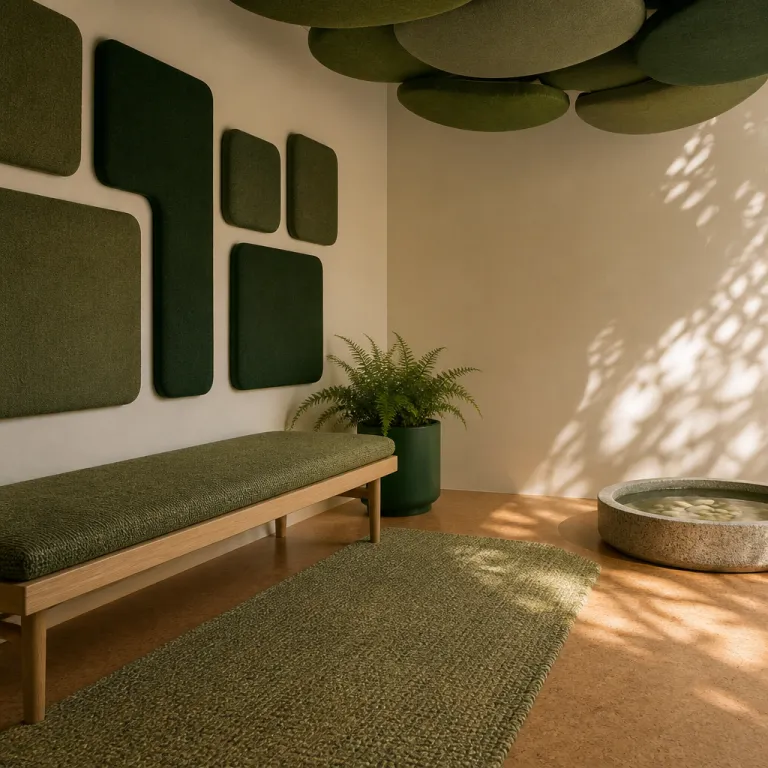
In practice, that means using acoustic materials with high sound absorption in the right places rather than simply adding more décor. You will see wood panels or fabric wall panels in consultation rooms, acoustic panels above yoga decks and sound absorbing ceilings in restaurants where conversation should feel intimate, not amplified. Average noise reduction with acoustic panels can reach around 30 dB, which is enough to turn a stressful dining hall into a calm, low murmur environment where your nervous system can finally exhale.
Architectural acoustics also governs reverberation time, the period a sound lingers after the source stops, which is critical in pools, saunas and physiotherapy rooms. Shorter reverberation time improves speech clarity for medical consultations and reduces the harsh echo that makes many spa pools feel like public baths. When resorts get this acoustic design right, client satisfaction increase post-acoustic improvements can reach about 25 %, because guests sleep better, concentrate more easily and report a deeper sense of wellbeing.
What to listen for in the first hour on property
Your first sixty minutes on site reveal whether wellness resort acoustic design sound architecture has been taken seriously. Step from the lobby into the first corridor and notice how quickly the sound of rolling suitcases and reception chatter falls away. If the noise follows you into your room, the resort has prioritized visual design over acoustic solutions.
Once inside your room, pause and scan the acoustic environment with intent. Can you hear HVAC hum, lift machinery, plumbing rush or corridor doors slamming, or has the resort invested in acoustic materials, thicker walls ceilings and well sealed doors to improve room acoustics. Look for subtle cues such as wood panels behind the bed, upholstered wall panels near the desk and acoustic panels integrated into ceilings, all of which signal a deliberate sound design approach rather than last minute decoration.
Then walk to the pool or thermal area and pay attention to reverberation time and echo. A well executed acoustic wellness project will use sound absorbing surfaces, non slip yet quiet flooring and carefully placed acoustic panels to tame splash noise and conversation. If every shout bounces around the space and the architecture turns water play into a cacophony, you are in a hotel that sells treatments, not in a health resort that understands the impact acoustic engineering has on recovery.
Materials, sustainability and the feel of quiet
The most sophisticated wellness resort acoustic design sound architecture now aligns silence with sustainability. Resorts are moving away from petrochemical heavy foams toward natural acoustic materials that support both environmental goals and guest wellbeing. You will increasingly see responsibly sourced wood, compressed cellulose, cork and recycled textile panels used as sound absorbing finishes in treatment spaces and suites.
Material selection is not only about decibels ; it is about how surfaces feel, smell and age over time. Wood panels with open grain can soften mid frequency sound while adding visual warmth, and when combined with fabric wall panels they create layered acoustic solutions that feel more like residential interior design than institutional healthcare. Thoughtful material choices also reduce harsh reflections from glass and stone, which are often overused in luxury architecture but can create fatiguing acoustics.
For wellness minded executives, this convergence of sustainability and acoustic comfort is a reliable quality marker. A resort that invests in low VOC acoustic materials, carefully detailed walls ceilings junctions and recyclable acoustic panels is usually a resort that takes clinical outcomes seriously. In such spaces, the impact on sleep, focus and perceived stress is tangible, even if you never read the specification sheet or meet the acoustic designers behind the project.
Using sound architecture as a booking filter
When you browse healthresortstay.com or any serious booking platform, you can read wellness resort acoustic design sound architecture between the lines. Look for floor plans that separate treatment rooms from family pools, and for descriptions that mention acoustic design, sound insulation or quiet zones as deliberately engineered features. Properties that highlight their collaboration with acoustic designers, interior designers and construction teams are usually signalling that sound was not an afterthought.
Before you commit, study photography for clues about acoustic comfort and room acoustics. Images that show generous soft furnishings, wood panels, acoustic panels integrated into ceilings and wall panels in corridors often indicate a coherent sound design strategy, while endless hard stone, glass and bare walls suggest longer reverberation time and higher background noise. For a deeper read on how to interpret these cues, explore our guide on what a health resort’s architecture tells you before you check in, then apply the same lens to sound.
Once on site, treat your first walk as a quick acoustic audit of the spaces you will actually use. Ask to change room if you notice intrusive noise from lifts, service areas or event spaces, and do not hesitate to request a quieter wing where the acoustic environment has less traffic. Wellness Facility Managers know that “Why is acoustic design crucial in wellness centers? It enhances relaxation and treatment effectiveness.” and “How does noise affect client experience? Increases stress, reduces relaxation.” so the best teams will work with you to improve your experience rather than dismissing these concerns as subjective.
FAQ
Why is acoustic design so important in health resorts ?
Acoustic design in health resorts directly affects how quickly your nervous system relaxes and how well you sleep. By controlling noise, reverberation time and room acoustics, resorts can reduce stress hormones and support deeper recovery. This is why experts state, “It enhances relaxation and treatment effectiveness.” when asked about the role of acoustic design in wellness centers.
What materials work best for quiet wellness spaces ?
The most effective acoustic materials for wellness spaces combine high sound absorption with healthy, sustainable composition. Acoustic panels, wood panels, fabric wall panels and sound absorbing ceilings can all reduce noise when used with thoughtful material selection and careful detailing at walls ceilings junctions. As one expert answer notes, “What materials are best for soundproofing? Acoustic panels and sound-absorbing fabrics.” which aligns with current best practice in acoustic wellness projects.
How can I tell if a resort has good acoustic architecture before booking ?
Look for signs that the property treats sound architecture as part of its core design, not as décor. Descriptions that mention acoustic solutions, quiet zones, insulated treatment rooms or collaboration with acoustic designers and interior design teams are strong indicators. Guest reviews that praise silence, sleep quality and calm public spaces are often the most reliable acoustic comfort metric.
What should I listen for when I first arrive at a health resort ?
During your first hour, pay attention to HVAC hum, corridor noise, pool echo and outdoor sound intrusion. If sound from the lobby or restaurant follows you into your room, the acoustic environment has not been properly zoned. A well designed resort will feel noticeably quieter as you move from public spaces into treatment areas and finally into your room.
Can acoustic improvements really change guest satisfaction scores ?
Yes, targeted acoustic improvements can significantly improve guest satisfaction and wellbeing metrics. Data from wellness facilities show that average noise reduction with acoustic panels can reach about 30 dB, and client satisfaction increase post-acoustic improvements can be around 25 %. These gains come from better sleep, clearer communication in consultations and calmer shared spaces, all of which guests feel even if they never think about architectural acoustics explicitly.