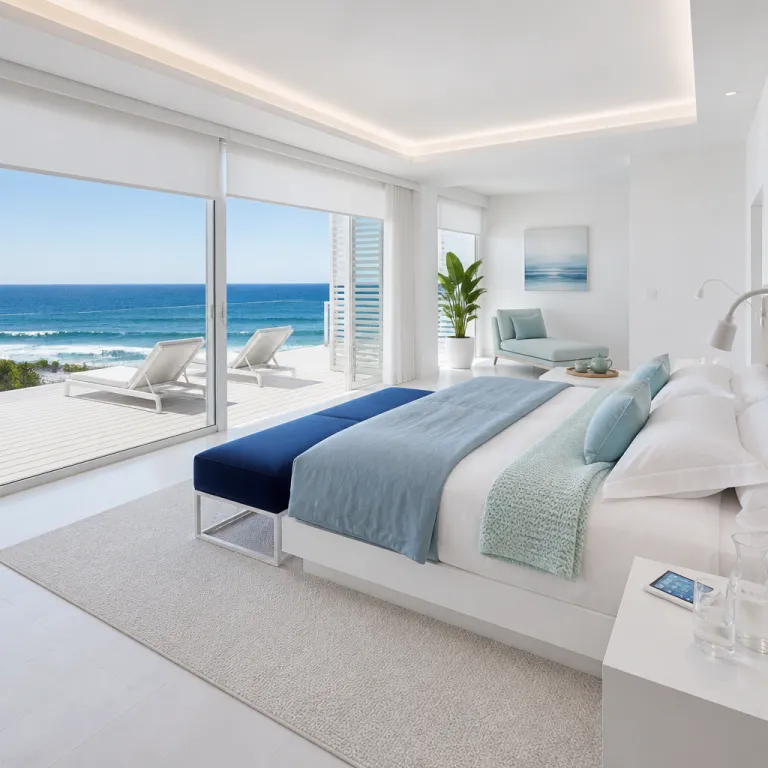
Why circadian rooms are redefining the health resort hotel room
Sleep-focused rooms in health resorts are no longer a niche experiment; they are becoming the quiet standard for serious wellness travelers. A true circadian-informed hotel room treats the space as a calibrated instrument, where light, temperature, and acoustics are tuned to your internal clock rather than to décor trends. For families, this shift means that the space where your children play by day and you restore your nervous system at night finally works with your body instead of against it.
At the forefront, Equinox Hotels in New York has turned its Sleep Lab rooms into a reference point for how hotels can integrate science-backed sleep into hospitality without losing warmth. These rooms use circadian rhythm–aligned lighting, adaptive mattresses, and soundscapes to help people move from daytime stimulation into deep, better sleep without the usual jet lag chaos. According to Equinox Hotels’ own Sleep Lab descriptions, these suites combine blackout shades, temperature regulation, and guided wind-down content to support recovery-focused guests. Health resorts worldwide are now studying this cutting-edge model, translating it into quieter coastal retreats, alpine clinics, and desert sanctuaries that target long-term wellbeing rather than a single pampering treatment.
For travelers comparing hotels, the key question is no longer only about spa menus or pool views; it is whether the property treats sleep quality as a clinical metric or as a marketing slogan. A serious sleep-optimized room will specify how morning light exposure is handled, how blue light is controlled at night, and how light temperature changes across the day to support cognitive performance. When a hotel can explain its lighting design, mattress technology, and acoustic strategy as clearly as its restaurant concept, ideally referencing peer-reviewed sleep research or named partners, you know the content of its wellness promise is likely to match the reality.
How light, lighting design and light temperature shape night alertness
Light is the master signal for your internal clock, and circadian-aware health resort rooms start by treating every lamp, window, and screen as a potential medical-grade intervention. In a well-designed hotel room, bright, cool light in the morning lifts energy and cognitive performance, while warm, low-intensity lighting in the evening gently lowers night alertness so the nervous system can downshift. Research on circadian biology suggests that morning light in the range of roughly 250–1,000 lux at eye level can help anchor the sleep–wake cycle, while dimmer, warmer light below about 100 lux in the evening supports melatonin release. Families arriving from long-haul flights feel this difference immediately, because the right lighting design shortens jet lag rather than extending it.
In practice, this means dynamic lighting systems that change light temperature and intensity across the day, instead of a single harsh ceiling fixture that keeps the body wired. Resorts that take sleep science seriously now install layered lighting, where indirect design light washes the walls, task lighting supports reading, and blue light is filtered after sunset to protect melatonin release. Many circadian-focused rooms aim for cooler light around 4,000–5,000 Kelvin in the morning and warmer tones near 2,700–3,000 Kelvin at night, so guests can intuitively feel the shift from day to evening. These systems help people of all ages, from exhausted parents to overtired students on a wellness break, move through the day–night cycle with less friction and more predictable sleep quality.
Sound matters as much as light, which is why the best properties pair advanced lighting design with rigorous acoustic engineering. If you want to understand how serious a hotel is about sensory control, read how it talks about acoustic insulation and then compare it with the level of detail it gives to its spa menu; our in-depth guide to acoustic design for wellness travelers explains why silence is a treatment, not an amenity. Look for concrete figures, such as a target of around 30–35 decibels in bedrooms at night or the use of sound-absorbing materials with documented ratings. When a resort can show you lighting diagrams, decibel measurements, and clear explanations of how its hotel room systems support the nervous system, you are looking at a property where circadian rhythm is more than a buzzword.
Inside a circadian room: from adaptive beds to nervous system calm
Step into a serious circadian room and the first impression is not luxury for its own sake; it is a sense that every element has a job to do for your sleep. At Equinox Hotels in New York, the Sleep Lab rooms use Eight Sleep adaptive mattresses that respond to micro changes in body temperature, cooling or warming each side of the bed to maintain ideal conditions for deep sleep phases. Eight Sleep’s Pod-style systems, for example, allow side-by-side temperature settings that can range from cool to warm, helping couples with different thermal preferences stay comfortable. This is where next-generation sleep-focused design moves beyond a premium mattress label and into responsive technology that works minute by minute with your body.
These rooms also integrate Mood Box–style controls, allowing guests to shift lighting design scenes from energizing day modes to calming pre-sleep rituals with a single touch. Audio-visual breathwork sessions and curated soundscapes guide the nervous system away from night alertness, helping people who usually struggle with racing thoughts to slide into better sleep without reaching for a screen. For parents sharing a hotel room with children, this kind of structured wind-down content can be the difference between a chaotic evening and a predictable, calm night.
Privacy and control remain central, which is why serious health resorts pair these systems with clear, accessible information and a transparent privacy policy about any non-wearable sleep monitoring. When a hotel explains exactly what data is collected, how long it is stored, and who can view it, guests feel safer experimenting with cutting-edge tools that track sleep quality and circadian rhythm patterns. For example, a robust policy might state that sleep data is stored in anonymized form for a defined period, such as 30 or 90 days, used only to optimize room settings, and never sold to third parties. The result is a hotel room that behaves more like a personalized sleep studio, yet still feels warm, quiet, and intuitively easy to use after a long travel day.
Natural light, views and biophilic design for family wellbeing
Artificial systems can only go so far if a hotel room ignores the most powerful regulator of the internal clock: natural light. In the best circadian-supportive health resort rooms, architecture is oriented so that morning sun reaches the bed area, giving both adults and children a clear light signal that anchors the day. Large windows with considered shading let you enjoy the view without flooding the space with disruptive glare or heat that drains energy.
Families should look for hotels where rooms offer cross-ventilation, access to outdoor terraces, and visual links to greenery, because these elements support both daytime cognitive performance and nighttime calm. Our guide to biophilic design in health resorts shows how nature-linked architecture can help people regulate stress hormones, which in turn stabilizes the nervous system before bed. Even simple metrics, such as a room’s daylight factor or the proportion of the façade given to windows, can hint at how much natural light and view you will actually experience. When children can play in daylight-filled spaces and then retreat to a dark, cool bedroom, their day–night rhythm settles more quickly, especially after travel across time zones.
Globally, health resorts are rethinking layouts so that family suites separate active day zones from quiet sleep cocoons, rather than leaving everything in one over-lit box. This spatial, light-conscious approach respects how the body moves through phases of alertness and rest, and it allows parents to maintain adult conversation while children sleep undisturbed. When you read property content, pay attention to how it describes windows, orientation, and shading; these details often reveal more about real wellbeing outcomes than any generic promise of luxury.
How to read a hotel’s sleep credentials before you book
Evaluating a hotel’s sleep credentials from a distance can feel daunting, but a few precise questions will quickly separate marketing from substance. Start by asking the hotel whether rooms include dynamic lighting systems that adjust light temperature across the day, and whether blue light is minimized in the evening through warm-spectrum bulbs or filtered screens. A property that can explain its lighting design in concrete terms is usually one that has worked with qualified experts rather than relying on off-the-shelf solutions.
Next, request details about mattresses, duvets, and temperature control, especially if you travel with children or older relatives who are sensitive to heat. Temperature-regulating beds that respond to body signals, combined with precise climate control, support better sleep by keeping the nervous system stable during deep stages, when the body naturally cools. Ask whether the hotel room includes independent thermostats, zoned underfloor systems, or smart beds, and whether staff can adjust settings if your family’s needs differ from the default.
Finally, examine the property’s privacy policy and wellness content to understand how any sleep tracking or non-wearable monitors are handled. You should know whether data about your sleep quality or circadian rhythm is stored locally in the room, transmitted to a server, or shared with third-party partners, and you should be able to opt out without losing access to core features. Look for explicit statements that tracking is optional, that opting out will not affect your stay, and that you can request deletion of any personal sleep data within a clear timeframe. When hotels answer these questions clearly and promptly, it signals a culture where guests, not gadgets, remain the target of every design decision.
Who benefits most from circadian rooms: families, students and global travelers
Circadian-focused health resort rooms are not only for elite athletes or executives chasing marginal gains; they are particularly valuable for families, students, and global travelers whose routines are fragile. Parents juggling children’s bedtimes across time zones will notice that rooms with strong day–night cues, blackout blinds, and quiet ventilation help people settle faster and wake with more stable energy. Students on wellness retreats, often carrying heavy cognitive performance loads, benefit from environments where light, sound, and temperature are tuned to protect deep sleep rather than erode it.
For frequent flyers, especially those crossing several time zones in a single trip, the combination of morning light exposure, controlled blue light at night, and temperature-responsive bedding can cut jet lag recovery time significantly. Health resorts that align check-in times, meal schedules, and activity content with circadian rhythm science help guests arrive, reset, and then return to work or family life with less residual fatigue. When a hotel understands that your nervous system is its real guest, every operational detail, from breakfast hours to spa appointments, begins to support rather than sabotage your internal clock.
As one expert explanation puts it, “Rooms designed to align with natural sleep-wake cycles to improve sleep quality.” When you see hotels and health resorts using this language precisely, referencing sleep research and naming partners such as Dr. Matthew Walker or design studios like White Mirror Studio, you can trust that the promises rest on more than mood boards. For wellness-minded travelers, this is the quiet revolution; a global shift from pretty rooms to rooms that genuinely help people feel restored, focused, and ready for the next day.
Key figures on sleep, circadian rhythm and health resorts
- According to estimates often cited by public health organizations, roughly one third of adults worldwide report symptoms of insomnia or other sleep disturbances, which makes the focus on circadian rhythm–aligned hotel room environments more than a luxury preference.
- Health resorts that integrate science-backed lighting design, temperature control, and acoustic insulation report higher guest satisfaction scores, because better sleep quality directly influences perceived wellbeing during short stays.
- Properties that invest in cutting-edge circadian-focused room design often target frequent flyers and global travelers, a segment that is particularly vulnerable to jet lag and disrupted internal clock patterns.
- The rise of sleep tourism within the wellness sector reflects a structural shift, where guests now ask detailed questions about light temperature, blue light control, and night alertness management before confirming bookings.
FAQ: circadian rooms and sleep focused health resorts
What are circadian rooms in health resorts ?
Circadian rooms are hotel room environments designed to align with the body’s natural sleep wake cycle through controlled lighting, temperature, acoustics and sometimes non wearable monitoring. They use tools such as dynamic lighting design, blue light reduction and temperature regulating beds to support better sleep quality. In health resorts, these rooms form the core of a wider wellbeing strategy rather than an optional upgrade.
Which hotels currently offer circadian focused rooms ?
Equinox Hotels in New York is one of the most cited examples, with its Sleep Lab rooms that integrate adaptive mattresses, programmable lighting and guided audio content. Other health resorts worldwide are adopting similar circadian-informed sleep design principles, even if they use different brand names for the concept. When researching, look for detailed explanations of morning light exposure, night alertness reduction and internal clock support rather than generic wellness language.
How do circadian rooms improve sleep for families ?
For families, circadian rooms create clear day night cues through natural light access, blackout options and warm evening lighting, which helps children and adults fall asleep more easily. Temperature control and acoustic isolation stabilize the nervous system, reducing night awakenings caused by noise or overheating. These elements combine to support consistent sleep quality across the whole family, even after long travel days.
Do circadian rooms use sleep tracking, and is my data safe ?
Some circadian rooms use non wearable sensors to monitor factors such as movement, breathing patterns or room conditions, aiming to refine lighting and temperature responses. Before you book, read the hotel’s privacy policy and ask how long any data is stored, whether it is anonymized and who can view it. You should always be able to opt out of tracking while still benefiting from core circadian-supportive room features.
How can I tell if a hotel takes circadian design seriously ?
Serious properties explain their lighting design, mattress technology, acoustic strategy and operational schedules in clear, specific language, often referencing science sleep research or named experts. They will describe how light temperature changes across the day, how blue light is minimized at night and how the hotel room layout supports the internal clock. If the content focuses only on décor and pillow menus, the circadian rhythm claims are likely superficial.