Elevating luxury wellness: the impact of high altitude resort himalayas directors
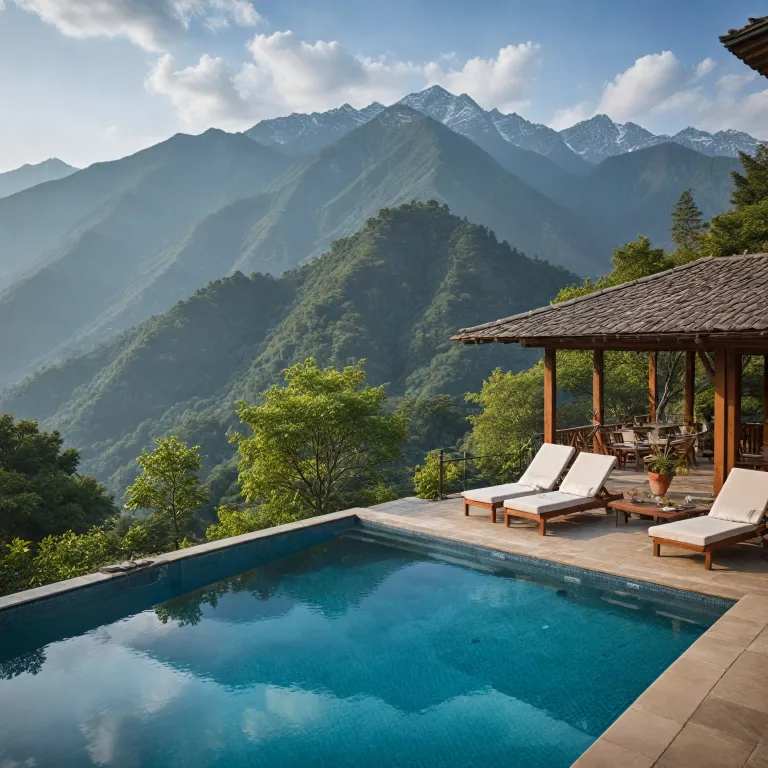
High altitude resort himalayas directors play a pivotal role in shaping the luxury hospitality landscape across the Indian Himalayas. Their expertise ensures guests experience the finest in wellness, yoga, and spa offerings, all set against the breathtaking backdrop of the valley and river Ganges. With decades experience in hospitality, leaders like Abdeali Zoomkawala at The Khyber Himalayan Resort & Spa and Vivek Pandey at The Westin Resort & Spa, Himalayas, have elevated standards for hotels and resorts in this region. Their vision is not only about providing a luxury destination but also about integrating Indian wellness traditions, such as ayurvedic therapies and yoga ayurveda, into every aspect of the guest experience. The commitment to luxury wellness is evident in the meticulous attention to detail, from the design of the resort spa to the curated wellness programs that blend yoga, meditation, and spa himalayas treatments. The managing director’s influence extends to every corner of the property, ensuring guests receive personalized service and access to the latest news in luxury hospitality. As the demand for luxury hospitality grows, these directors are at the forefront, guiding their teams to deliver exceptional experiences that honor both the natural beauty of the Himalayas and the rich heritage of Indian hotels.
Strategic leadership: how directors shape the guest experience in Himalayan resorts
The role of a high altitude resort himalayas director goes beyond operational management; it is about crafting memorable journeys for every guest. Directors like Yogesh Arya and Ashok Khanna bring three decades of experience to their roles, ensuring that every aspect of the hotel, from the spa to the yoga pavilion, reflects the highest standards of luxury and wellness. Their leadership is instrumental in implementing safety protocols, especially given the unique challenges of operating at an average altitude of 2,500 meters. According to the latest news, “Resorts implement safety protocols, provide medical facilities, and train staff to handle altitude-related health issues.” This commitment to guest safety and comfort is a hallmark of luxury wellness resorts in the Himalayas. Directors also oversee the integration of sustainable tourism practices, recognizing the importance of preserving the pristine environment for future generations. By fostering partnerships with local communities and promoting Indian hospitality traditions, directors ensure that guests enjoy an authentic and enriching experience. For those seeking more information on luxury wellness travel, the comprehensive guide to Himalayan wellness resorts offers valuable insights into the region’s leading hotels properties and their directors’ philosophies.
Integrating Indian wellness traditions: yoga, ayurveda, and spa experiences
One of the defining features of high altitude resort himalayas directors is their dedication to integrating Indian wellness traditions into the guest experience. Resorts like Ananda in the Himalayas are renowned for their yoga ayurveda programs, which combine ancient practices with modern luxury. Directors collaborate with expert practitioners to offer tailored ayurvedic therapies, yoga meditation sessions, and spa himalayas treatments that promote holistic well-being. Guests can participate in daily yoga classes overlooking the valley or indulge in signature spa rituals inspired by Indian healing philosophies. The managing director’s vision ensures that these offerings are not only authentic but also accessible to international guests seeking a transformative experience. The resort spa becomes a sanctuary where guests can reconnect with themselves and the natural world, guided by the expertise of seasoned hospitality professionals. For those interested in exploring more about these unique offerings, the detailed overview of Indian wellness resorts provides an in-depth look at the integration of yoga, spa, and ayurvedic therapies in luxury hospitality.
Operational excellence: overcoming challenges at high altitude resorts
Operating a luxury resort at high altitude presents unique challenges, from extreme weather conditions to logistical complexities. High altitude resort himalayas directors leverage their decades experience to ensure seamless operations and guest satisfaction. “Challenges include extreme weather conditions, logistical difficulties in transporting supplies, and ensuring guest safety at high altitudes.” Directors implement robust supply chain strategies, invest in staff training, and maintain state-of-the-art medical facilities to address altitude-related health concerns. The focus on operational excellence extends to every department, from housekeeping to food and beverage, ensuring that guests enjoy a consistent standard of luxury across the property. Directors also prioritize sustainability, adopting eco-friendly practices that minimize the resort’s environmental footprint while supporting local communities. By fostering a culture of continuous improvement, directors like Ashok Khanna and their teams set new benchmarks for luxury hospitality in the Himalayas.
Curating unique experiences: activities and cultural immersion for guests
High altitude resort himalayas directors understand that today’s luxury travelers seek more than just comfort; they desire meaningful experiences. Resorts offer a diverse array of activities, from trekking and skiing to cultural tours and wellness retreats. “Activities include trekking, skiing, mountaineering, cultural tours, and wellness retreats.” Directors curate programs that highlight the region’s natural beauty and cultural heritage, such as guided hikes along the river Ganges or participation in the sacred ganga aarti ceremony. Guests can immerse themselves in Indian traditions through cooking classes, music performances, and interactions with local artisans. The managing director’s vision ensures that each activity is thoughtfully designed to enhance the overall guest experience, fostering a sense of connection to the destination. By offering personalized itineraries and exclusive access to hidden gems, directors create unforgettable memories for guests. The emphasis on cultural immersion and wellness sets Himalayan resorts apart as premier luxury destinations for discerning travelers.
The future of luxury wellness hospitality in the Himalayas
The landscape of luxury wellness hospitality in the Himalayas is evolving, driven by visionary directors and changing guest expectations. There is an increased focus on sustainable tourism, with directors championing initiatives that protect the environment and support local communities. The integration of advanced wellness programs, including yoga meditation and spa himalayas treatments, continues to attract guests seeking holistic rejuvenation. Directors are also embracing technology to enhance the guest experience, from personalized wellness consultations to seamless booking platforms. As the demand for luxury hospitality grows, the role of the high altitude resort himalayas director becomes even more critical in ensuring guests enjoy world-class service and authentic Indian experiences. The future promises continued innovation, with directors leading the way in redefining what it means to experience luxury in the heart of the Himalayas.
Key statistics on high altitude resorts and luxury wellness in the Himalayas
- Number of high-altitude resorts in the Himalayas: 50 resorts
- Average altitude of Himalayan resorts: 2,500 meters
Frequently asked questions about high altitude resort himalayas directors and guest experiences
What are the challenges of operating a high-altitude resort?
Challenges include extreme weather conditions, logistical difficulties in transporting supplies, and ensuring guest safety at high altitudes.
How do high-altitude resorts ensure guest safety?
Resorts implement safety protocols, provide medical facilities, and train staff to handle altitude-related health issues.
What activities are available at high-altitude resorts in the Himalayas?
Activities include trekking, skiing, mountaineering, cultural tours, and wellness retreats.
References: Himalayan Tourism Board, hospitalitynews.in, travelandtourworld.com