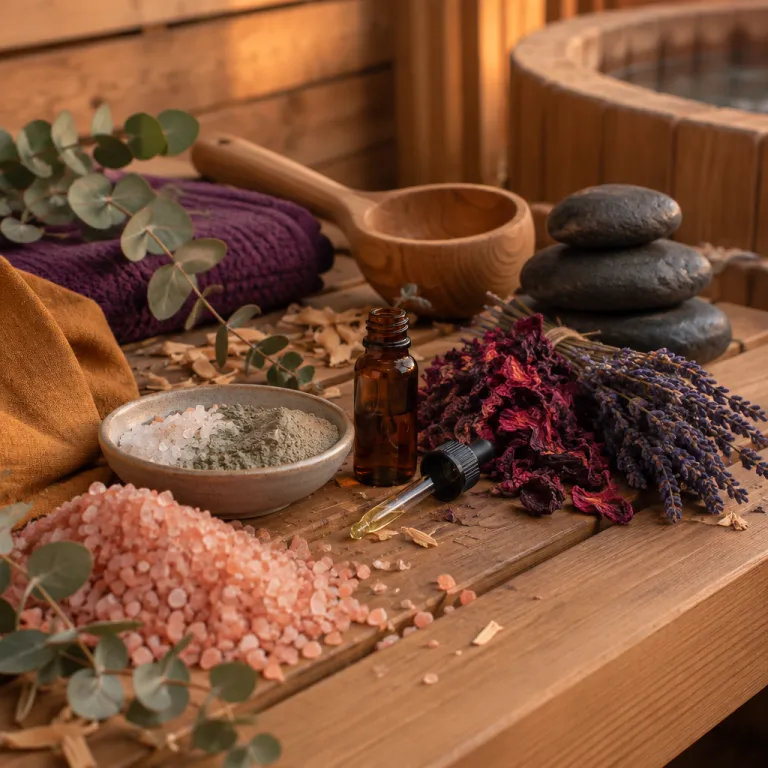
Why a refined hot tub sauna combo defines modern health resorts
Luxury health resorts increasingly design every sauna and hot tub area as the quiet heart of the property. A carefully planned hot tub sauna combo allows guests to move between enveloping heat and a bracing cold plunge, which creates a rhythm that feels both indulgent and clinically purposeful. For travelers comparing premium stays, this integrated thermal unit often signals how seriously a resort treats long term health, recovery, and deep relaxation.
In high end wellness retreats, you will usually find several saunas and hot tubs rather than a single regular tub or basic steam room. Architects position each outdoor sauna and adjacent plunge tub to frame views of forests, mountains, or sea, so the spa experience extends beyond the walls into the landscape. When a person steps from the hot, dry air of a sauna into a cold plunge pool or compact plunge tubs, the contrast between radiant heat and cold water becomes a powerful tool for stress relief and circulatory health benefits.
Many luxury properties now treat every tub sauna zone as a curated spa circuit instead of a stand alone feature. A typical layout might include a wood fired outdoor sauna, a wooden hot tub on a barrel outdoor deck, and a stainless steel plunge tub for a precise cold plunge ritual. This kind of tub combo or sauna combo is no longer an extra amenity; it is a central promise that justifies a higher room price and attracts guests who value measurable health outcomes. As one spa director at a Swiss alpine resort explained in a recent industry interview, “Guests now ask detailed questions about our thermal circuit before they even look at the room photos.”
Designing holistic spa journeys around heat, cold, and nature
Thoughtful design turns a simple hot tub into the anchor of a holistic spa journey. Planners map how a person will move from warm indoor saunas and relaxation zones to an outdoor deck, then into a cold plunge pool, and finally back to a quiet lounge or nap room. When this flow is seamless, the hot tub sauna combo feels intuitive, and guests rarely think about the underlying engineering of each unit or the precise water temperature.
In alpine and forest resorts, the most coveted spa experience often happens in an outdoor sauna with panoramic glass, followed by a barefoot walk across timber to a row of plunge tubs. Properties that invest in barrel outdoor structures or sculpted wooden hot tubs create a tactile connection with nature, which many guests describe as a form of mental health support rather than simple leisure. For a deeper look at how Japanese retreats choreograph such journeys, the detailed guide to holistic spa journeys in Jozankei Onsen shows how alternating dry heat, mineral baths, and cold plunge rituals can be woven into multi day programs.
Resorts that specialise in integrative medicine often schedule supervised sessions in the sauna dry rooms, followed by timed immersion in a plunge tub or natural river pool. Therapists explain how controlled heat exposure in sauna environments, combined with rapid cooling, may support cardiovascular health benefits and perceived stress relief when used correctly. When you evaluate a property online, look for clear descriptions of the hot tubs, plunge tubs, and outdoor circuits, because this transparency usually reflects a serious approach to safety, hygiene, and guest education.
Comparing hot tub and sauna options when booking your stay
When you browse a luxury booking website, the spa section can feel dense with terms like wood fired, barrel outdoor, or tub combo. Start by checking whether the property offers both a traditional sauna and a modern infrared unit, because each type of heat creates a different physiological response and style of relaxation. A classic sauna dry room with high temperatures and low humidity suits guests who enjoy intense heat, while a milder infrared sauna hot environment may feel more comfortable for a first time person.
Next, examine how many hot tubs and plunge tubs are available, and whether they are indoor or outdoor. A resort that lists only one regular tub for dozens of rooms may feel crowded at peak times, whereas several outdoor hot tubs and at least one dedicated cold plunge pool usually indicate a more premium spa experience. For travelers interested in advanced thermal therapies, this refined guide to whole body cryotherapy centers for luxury wellness travelers shows how cold exposure can complement a sauna combo or tub sauna circuit during a multi day retreat.
Pricing pages sometimes mention whether access to the hot tub sauna combo is included in the room price or charged as an extra. On some booking engines, you may see spa passes added to your cart as optional items, which can be useful if one person in the room wants full access while another prefers only regular treatments. When comparing offers, consider not only the headline sale rate but also whether unlimited use of saunas, tubs, and cold plunge facilities is bundled, because this often determines the real value of a health focused stay. A frequent wellness traveler might, for example, find that a slightly higher nightly rate with unrestricted spa access costs less than purchasing multiple day passes on arrival.
Understanding health benefits and safety of thermal circuits
Alternating between a sauna and a cold plunge is more than a pleasant ritual; it is a structured thermal practice with measurable effects. Short sessions in dry heat raise skin temperature and heart rate, while immersion in cold water constricts blood vessels and can create a strong sense of alertness. Many guests report improved sleep, reduced muscle soreness, and mental clarity after several days of using a hot tub sauna combo under professional guidance.
Medical research from institutions such as the Mayo Clinic and the University of Eastern Finland has linked regular sauna use with potential cardiovascular health benefits, especially when combined with moderate exercise and a balanced lifestyle. For example, a 2015 cohort study by Laukkanen and colleagues in JAMA Internal Medicine followed more than 2,000 Finnish men and found that those using a sauna four to seven times per week had a lower risk of fatal cardiovascular events than those with one weekly session. However, these studies also emphasise that people with heart conditions, low blood pressure, or pregnancy should consult a physician before using intense heat or cold plunge facilities. Luxury health resorts that prioritise safety will post clear signage in every sauna dry room, monitor water quality in plunge tubs and hot tubs, and limit session times to protect guests from overexposure.
When you arrive at a property, ask whether staff can explain the correct sequence for the sauna combo, including recommended minutes in the sauna, ideal duration in the plunge tub, and rest periods between cycles. A well trained spa équipe should also advise on hydration, alcohol avoidance, and how to adapt the spa experience for different fitness levels. If a resort cannot answer basic questions about heat, cold, and stress relief protocols, you may wish to limit your use of the outdoor sauna and cold plunge areas or choose another destination with stronger clinical oversight. One guest at a Baltic thermal resort, for instance, described how a five minute orientation with a spa nurse transformed an intimidating circuit into a confident, repeatable routine.
Evaluating value, price transparency, and booking strategies
For many travelers, the question is not whether a hot tub sauna combo is appealing, but whether the price premium is justified. On luxury booking platforms, you will often see spa access bundled into wellness packages, while regular room categories may list the spa experience as an extra fee. To judge value accurately, compare the cost of these packages with the à la carte sale price of day passes, treatments, and private outdoor sauna sessions.
Some high end resorts now allow guests to pre book specific spa units, such as a private wood fired barrel outdoor sauna or a secluded wooden hot tub on a cliffside deck. When you add these options to your online cart, the system may show dynamic pricing based on season, time of day, and person capacity, which can make early reservations more attractive. If you are traveling as a couple or small group, a private tub combo or sauna combo session can feel more intimate and may offer better value than multiple individual treatments.
Transparency is a strong indicator of trustworthiness in this segment of the market. A credible health resort will clearly state whether use of saunas hot areas, plunge tubs, and hot tubs is unlimited, time restricted, or reserved for certain room categories. When a property explains its pricing logic, outlines maintenance schedules for each unit, and publishes clear health guidelines, you can book with greater confidence that your relaxation and safety are treated as priorities rather than marketing slogans. Resorts that share this information in advance also make it easier to compare offers across destinations without relying solely on glossy marketing images.
Personalising holistic spa journeys for different travelers
Not every guest approaches a hot tub sauna combo with the same goals, so the best health resorts tailor programs to individual needs. A stressed executive might prioritise stress relief and mental clarity, while a recreational athlete could focus on muscle recovery and joint comfort. Thoughtful properties use intake questionnaires and consultations to design a spa experience that balances heat, cold, and rest for each person.
For example, a midlife wellness retreat might combine gentle sauna dry sessions, guided breathing in outdoor relaxation zones, and short cold plunge immersions to support hormonal balance and sleep quality. Resorts that specialise in women’s health often integrate educational talks with practical thermal circuits, as seen in programs similar to those highlighted in this feature on women’s midlife health under a clinical lens. In such settings, the hot tub, plunge tub, and outdoor sauna become tools in a broader strategy that may also include nutrition, movement, and mindfulness.
When you plan your stay, consider how often you realistically want to use saunas, tubs, and cold plunge facilities, and communicate this to the spa équipe during booking. Some guests prefer short, frequent visits to a wood fired outdoor sauna and fired hot plunge tub, while others enjoy longer sessions in regular hot tubs followed by quiet reading time. By articulating your preferences, you help the resort fine tune the timing, temperature, and privacy of each unit, turning a standard tub sauna area into a personalised sanctuary for health and relaxation.
Key figures on thermal spa use and wellness travel
- According to the Global Wellness Institute’s 2023 wellness tourism report, the wellness tourism market exceeded 900 billion US dollars recently, with thermal and mineral springs representing a significant and steadily growing segment.
- Research published in the journal JAMA Internal Medicine in 2015 reported that frequent sauna use, defined as four to seven sessions per week, was associated with a lower risk of fatal cardiovascular events compared with one weekly session, based on long term data from Finnish adults.
- Industry surveys from the International Spa Association indicate that hydrotherapy features such as hot tubs, plunge pools, and saunas are present in more than 70 percent of luxury spa facilities worldwide, making them one of the most common core amenities.
- Studies on contrast hydrotherapy suggest that alternating hot and cold exposure can reduce perceived muscle soreness by around 20 to 30 percent after intense exercise, compared with passive rest, when protocols are followed correctly.
- European thermal resorts in countries such as Germany, Austria, and Hungary report average guest stays of three to five nights, with many visitors citing access to structured sauna and cold plunge circuits as a primary reason for choosing these destinations.
FAQ about hot tub and sauna combinations in luxury health resorts
How often should I use a hot tub sauna combo during a short stay ?
For most healthy adults, one or two thermal circuits per day, each including several short sauna sessions and brief cold plunge immersions, is usually sufficient during a three night stay. Resorts often recommend starting with eight to ten minutes in the sauna, followed by thirty to sixty seconds in a plunge tub, and then at least ten minutes of rest. Always follow the property’s guidelines and consult medical staff if you have cardiovascular or respiratory conditions.
What is the difference between a traditional sauna and an infrared unit ?
A traditional sauna uses dry heat generated by a stove or wood fired heater to warm the air to high temperatures, often between 70 and 90 degrees Celsius. An infrared unit emits radiant heat that warms the body directly at lower air temperatures, which some guests find more comfortable for longer sessions. Both types can be part of a hot tub sauna combo, but they create different sensations and may suit different tolerance levels.
Is a cold plunge necessary, or can I just use the hot tub ?
You can certainly enjoy a hot tub on its own, but the combination of heat and cold is what defines a full thermal circuit. A cold plunge or cool shower after the sauna helps constrict blood vessels, refresh the nervous system, and may enhance perceived health benefits such as reduced muscle soreness. If full immersion feels too intense, start with shorter exposures or cooler, not icy, water and build up gradually.
How do I know if a resort maintains its saunas and tubs properly ?
Reputable health resorts publish clear information about water treatment, cleaning schedules, and maximum person capacity for each unit. On site, look for crystal clear water in hot tubs and plunge tubs, well ventilated sauna rooms, and visible safety signage about time limits and contraindications. If staff can confidently answer questions about filtration systems, temperature controls, and emergency procedures, it is usually a good sign of strong operational standards.
Are hot tub and sauna experiences suitable for children or older adults ?
Many properties restrict sauna and cold plunge access for young children because their thermoregulation is still developing, and they may overheat or chill more quickly. Older adults can often enjoy gentle thermal experiences, but they should consult a physician first, especially if they have heart disease, low blood pressure, or mobility issues. In all cases, shorter sessions, moderate temperatures, and careful supervision are essential for safety.