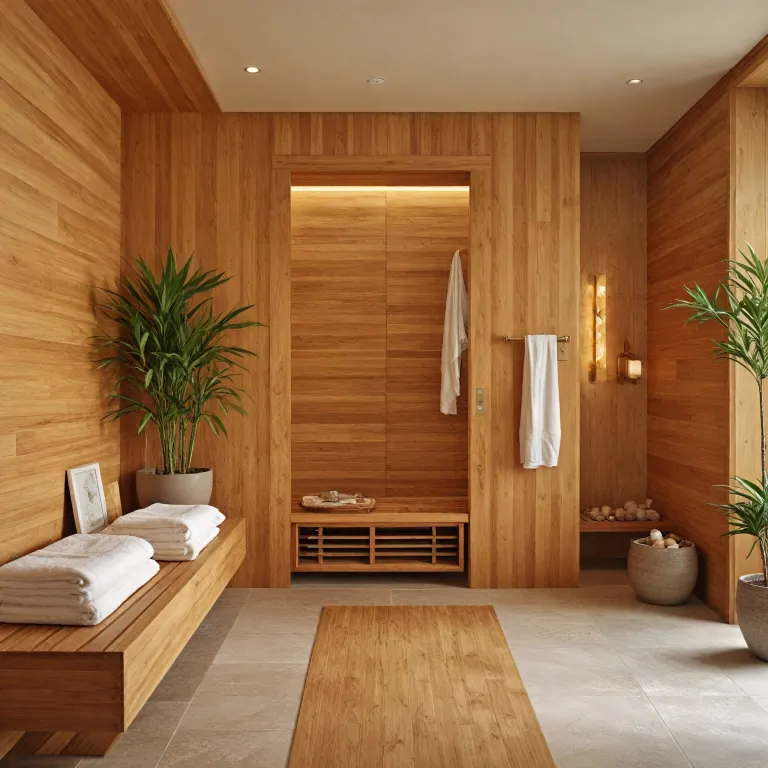
Sauna door design as the quiet luxury of wellness travel
In a premium health resort, the humble sauna door often defines how serene your wellness ritual feels. When a sauna door closes with a soft, precise seal, it protects heat, humidity, and privacy, creating a cocoon that rivals the finest spa suites. Guests quickly sense the difference between a basic door and one crafted as carefully as the resort’s suites and treatment rooms.
High end properties increasingly specify clear glass or bronze glass panels to balance intimacy with gentle visibility. A glass sauna entrance allows staff to monitor safety in the room, while the right door glass tint preserves a calm, private atmosphere for guests. Many resorts now combine clear glass with warm wood frames in cedar sauna or fir sauna designs, blending Scandinavian inspiration with contemporary wellness aesthetics.
Behind the scenes, sauna builders and installers work closely with architects to select the right doors for each thermal room. They consider whether a wide opening, an ADA door, or multiple sauna doors will better serve guests moving between steam and finnish sauna experiences. Luxury operators also compare regular price and sale price options from each glass shop and sauna supply partner, ensuring that every sauna door meets both technical and aesthetic expectations.
Sauna door manufacturers emphasize that “Sauna doors are specialized doors designed to withstand the high heat and humidity of sauna environments.” This expertise matters when a resort offers several thermal suites, each with its own wood and glass palette. For guests, the result is a seamless transition from corridor to heat room, where a perfectly balanced door clear panel quietly frames the start of every restorative session.
Materials, glass choices, and accessibility in luxury sauna doors
For discerning travelers, the feel of the wood and glass beneath the hand is part of the ritual. Premium health resorts often specify cedar or aspen frames for each sauna door because these woods resist warping while releasing a subtle, natural aroma. When multiple sauna doors line a wellness corridor, the consistent grain of cedar and fir creates a visual rhythm that signals calm before you even enter the room.
Inside the thermal area, glass selection becomes a key design decision for every door. Clear glass offers bright visibility, while bronze glass softens the light and adds a warm, spa like glow to the room. Many sauna builders now combine tempered glass with thermo glass treatments, creating tempered thermo panels that handle repeated heating and cooling cycles without compromising safety.
From an accessibility perspective, the best properties insist on at least one ADA door for every thermal suite. This wider, carefully balanced door allows wheelchair users and guests with limited mobility to enjoy the same finnish sauna and steam experiences as other travelers. When comparing regular price and sale price options, responsible operators prioritize ADA compliant sauna doors over purely decorative upgrades.
Behind the scenes, sauna builders fir specialists coordinate with wood suppliers, glass manufacturers, and hardware producers to deliver pre hung doors that install cleanly. Health resort procurement teams often review detailed sauna supply catalogues, comparing the price regular of cedar sauna frames with the sale price of aluminum or thermo glass alternatives. For guests planning a stay in Oregon wine country, properties that pay this level of attention to their thermal suites often appear among the most refined wellness focused hotels in Willamette Valley.
How sauna door engineering shapes heat, humidity, and safety
Beyond aesthetics, the engineering of each sauna door directly affects how restorative your session feels. A well balanced door with precise hinges and quality hardware keeps the room at a stable temperature, reducing energy loss and maintaining consistent steam levels. When multiple doors serve a large thermal suite, even small gaps can disrupt the carefully calibrated climate of the room.
Luxury health resorts therefore work with experienced sauna builders who understand the physics of heat retention. They specify tempered glass panels of around 8 mm thickness, often combined with thermo glass treatments that reduce stress from rapid temperature changes. In a finnish sauna, where dry heat dominates, cedar or fir frames around the door glass help insulate the opening while adding a tactile, natural finish.
Safety is another critical dimension, especially in properties that welcome guests of all ages and abilities. Tempered thermo panels are designed so that, if they ever fail, they shatter into small, less harmful pieces rather than dangerous shards. Resorts also favor wide ADA door designs for at least one entrance, ensuring that wheelchairs and spa trolleys can move smoothly between steam and glass sauna rooms.
In Europe’s classic spa regions, from alpine retreats to Champagne vineyards, guests increasingly expect this level of technical refinement. Many elegant wellness hotels in France now highlight their cedar sauna suites and bronze glass thermal corridors alongside wine lists and tasting menus. When browsing options for spa retreats in Champagne with vineyard views, pay attention to how properties describe their sauna doors, as this often signals the overall seriousness of their wellness offering.
Choosing between wood, glass, and aluminum finishes as a guest
When comparing health resorts online, most guests focus on suites, pools, and cuisine, yet the sauna door quietly reveals how deeply a property values wellness. A full wood entrance in cedar or fir suggests a traditional finnish sauna ambiance, with a warm, enveloping feel as you step into the room. By contrast, a glass sauna entrance with clear glass or bronze glass panels signals a more contemporary, design led approach.
Some luxury properties blend these styles, pairing cedar sauna frames with wide tempered glass inserts for the best of both worlds. This hybrid door clear design allows natural light to filter through the thermal area while the wood softens acoustics and touch. Aluminum framing occasionally appears in high humidity steam zones, where a thermo glass panel and aluminum edge can offer long term durability at a competitive price regular.
As a guest, you can read these choices as part of the resort’s broader wellness philosophy. A corridor lined with consistent sauna doors, each with carefully aligned door glass and discreet handles, suggests meticulous maintenance and thoughtful planning. When a property invests in multiple ADA door options and high quality sauna supply components, it usually extends the same care to massage rooms, hydrotherapy pools, and nutrition programs.
During trip planning, look closely at spa photo galleries and room descriptions rather than relying only on sale price promotions. Properties that highlight their sauna builders, their use of fir sauna or aspen interiors, and their collaboration with a specialist glass shop often deliver more reliable thermal experiences. For travelers who value restorative design details, this level of transparency can matter as much as a panoramic view or a complimentary tasting in the wine bar.
What booking photos and descriptions reveal about sauna doors
Online booking platforms rarely mention every technical detail, yet careful travelers can still evaluate each sauna door from afar. Start by zooming into spa images to see whether the door clear panel aligns neatly with the frame and threshold. A well installed sauna door will sit square, with even gaps and no visible warping in the wood or aluminum.
Next, examine how many sauna doors appear in the wellness area and how they relate to circulation. In a thoughtfully planned spa, a wide ADA door often serves as the main entrance, with additional doors leading to smaller finnish sauna or steam rooms. If you notice inconsistent door glass tints or mismatched hardware, it may indicate piecemeal upgrades rather than a cohesive, recent renovation.
Descriptions can also offer subtle clues about quality and value. Resorts that mention cedar sauna interiors, tempered thermo panels, or partnerships with specialist sauna builders fir teams usually understand the importance of durable materials. When a property lists both regular price and sale price for wellness packages, it may also be more transparent about how it invests in ongoing maintenance and sauna supply replacements.
For travelers planning restorative mountain escapes, this attention to detail can significantly enhance the stay. Properties that showcase their glass sauna corridors, bronze glass accents, and carefully crafted fir sauna rooms often deliver a more immersive thermal journey. When browsing options for elegant cabins with private wellness amenities, look for images where each sauna door appears as considered as the suite interiors and outdoor decks.
Working with resort staff to tailor your sauna experience
Once on property, guests can collaborate with spa teams to make the most of every sauna door and thermal space. Begin by asking which rooms feature the hottest finnish sauna temperatures and which offer gentler steam or mixed humidity. Staff can point out which doors lead to cedar sauna cabins, which to glass sauna suites, and which ADA door provides the easiest access route.
Attentive therapists often adjust door usage to fine tune your experience throughout the day. During quieter hours, they may keep certain sauna doors closed longer to maintain higher heat, while at peak times they might use a wide door clear opening to manage airflow and guest flow. In some properties, bronze glass panels and thermo glass treatments help stabilize temperatures even as doors open and close more frequently.
Do not hesitate to ask about materials and maintenance, especially if you are sensitive to heat or humidity. Teams trained by experienced sauna builders can explain why tempered glass was chosen, how often door glass seals are checked, and which fir sauna cabins offer the driest environment. They may also share whether recent upgrades came at regular price or during a strategic sale price window, reflecting the resort’s long term investment in wellness.
For frequent spa travelers, these conversations build trust and deepen appreciation for the craft behind each sauna door. Over time, you will learn to recognize the reassuring weight of a well hung cedar frame, the clarity of high quality clear glass, and the subtle privacy of bronze glass. This awareness turns every future booking into a more informed choice, aligning your wellness expectations with the quiet engineering that shapes each thermal room.
Key statistics on sauna doors in luxury wellness environments
- Common premium sauna door width in many health resorts is around 24 inches, balancing accessibility with efficient heat retention.
- Typical height for a high quality sauna door is approximately 72 inches, which suits most adult guests while minimizing unnecessary heat loss.
- Tempered glass used in luxury sauna doors often measures about 8 mm in thickness, providing both structural strength and reliable thermal performance.
Expert answers to common questions about sauna doors
What materials are commonly used for sauna doors in high end resorts ?
Cedar, aspen, and alder are commonly used due to their resistance to heat and moisture. In luxury health resorts, these woods are often combined with tempered thermo glass panels and, in some cases, discreet aluminum framing to balance durability, aesthetics, and guest comfort.
Why is tempered glass preferred for luxury sauna doors ?
Tempered glass is used for its strength and safety, as it can withstand high temperatures and, if broken, shatters into small, less harmful pieces. This makes it ideal for clear glass, bronze glass, and thermo glass panels in finnish sauna and steam rooms, where both visibility and guest protection are essential.
Are there standard sizes for sauna doors in wellness hotels ?
While sizes can vary, common dimensions are around 24 inches in width and 72 inches in height. Many luxury properties also include at least one wider ADA door in their thermal areas, ensuring that guests with reduced mobility can access cedar sauna cabins, glass sauna suites, and steam rooms with equal ease.