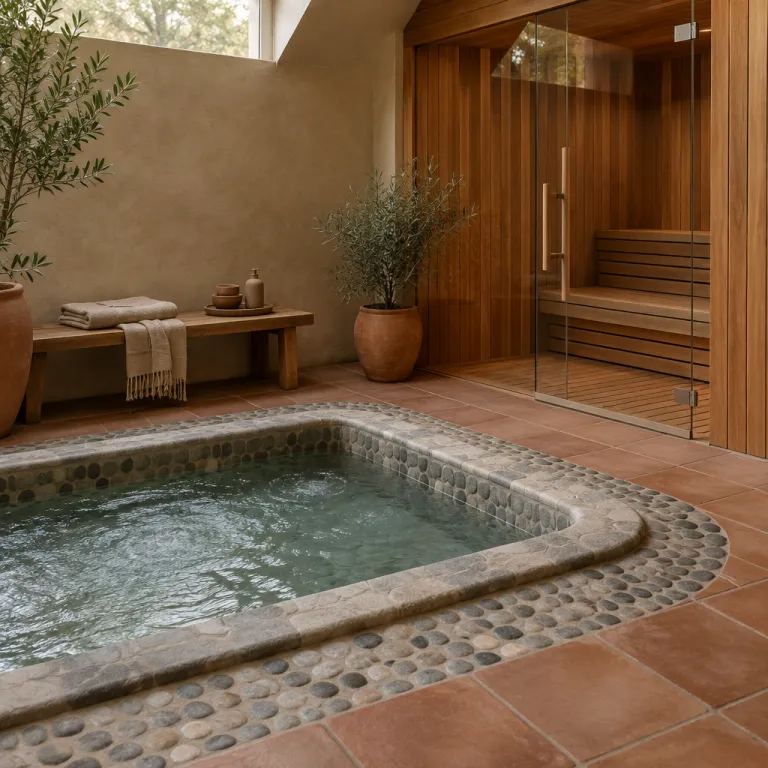
Hot tub and sauna combinations in modern luxury health resorts
Why a refined hot tub and sauna combination defines modern health resorts
Luxury health resorts now treat the hot tub and sauna combination as a core wellness ritual rather than a simple amenity. A carefully designed thermal circuit that blends hot water, dry heat, and optional cold plunge allows each person to move through structured sessions that support circulation, immunity, and deep relaxation. When you book a premium stay, this integrated sequence often becomes the quiet anchor of your entire trip.
In high end wellness properties, the hot tub is rarely just a simple tub filled with warm water. It is usually a wooden soaking pool or a sculpted stone basin, sometimes wood fired outdoors, where the water temperature is precisely calibrated—typically around 37–40°C (98–104°F)—to balance comfort, health benefits, and safe heat exposure. Nearby, a sauna room with controlled dry heat and low humidity, often maintained between 70–90°C (158–194°F), lets guests alternate short intervals in the cabin with time in the water, creating a powerful combination for stress relief and muscular recovery.
Many resorts now design outdoor sauna decks where hot tubs and plunge pools sit side by side. Guests can move from a dry sauna cabin into a cold plunge tub or small plunge pool, then back into the hot water or a tub–sauna combo for contrast therapy. This repeated pattern of heat, cold, and rest is not just a spa trend; it is a structured therapy approach that supports cardiovascular health, better sleep, and emotional balance when used within recommended time limits.
Designing holistic spa journeys around heat, cold, and mindful minutes
Thoughtful health resorts build entire holistic spa journeys around the timing of each hot tub and sauna combination. A typical circuit might start with five to ten minutes in a dry sauna, followed by a brief cold plunge of 30–60 seconds, then several minutes in a gently heated tub for relaxation and emotional reset. Therapists guide you to respect your own limits while still gaining the full benefits of controlled heat exposure and gradual cooling.
When you compare properties on a luxury booking website, look for outdoor sauna terraces where cabins and hydrotherapy tubs are arranged to support intuitive movement. Some resorts feature wood fired outdoor sauna huts with adjacent plunge tubs, while others offer indoor spa suites that can be reserved for private thermal circuits. The best spa teams schedule time in the sauna and hot tub like a personalized therapy prescription, not a generic package.
In Paris and other European capitals, several five star properties now highlight elegant hotel sauna experiences as a signature of their wellness offering. On a curated platform, you might see a listing that emphasizes an intimate rooftop spa with a wooden hot tub and compact sauna framed by city views and quiet relaxation lounges. For more inspiration on urban wellness escapes, explore this guide to elegant hotel sauna experiences in Paris for holistic wellness escapes, then compare how each property sequences its heat and cold sessions.
How to read spa menus, prices, and health claims with discernment
When browsing a luxury booking website, the spa menu around any hot tub and sauna combination deserves the same attention as the room category. Look beyond the headline price and read how many minutes each session includes, whether a therapist supervises the dry sauna and cold plunge sequence, and how many persons can use the space at once. A higher price often reflects private access to tubs and saunas, plus tailored guidance that protects your health.
Some resorts present their sauna and hot tub rituals as medical grade therapy, while others frame them as pure relaxation. For guests with cardiovascular conditions, pregnancy, or specific health concerns, it is essential to ask for written medical guidelines and to limit heat exposure to conservative intervals—often no more than 15 minutes at a time in a 70–90°C sauna, with full cooling and hydration between rounds. A credible property will never push you to extend sessions beyond safe limits just to maximize perceived benefits or justify a premium price.
In North America, integrative wellness centers increasingly combine hot tubs, outdoor sauna cabins, and contrast plunge tubs with evidence based treatments such as physiotherapy or sleep coaching. A strong example is highlighted in this feature on integrative clinical wellness in downtown Reno, where heat therapy is framed as one tool among many for recovery and stress relief. When you shop for your next stay, prioritize resorts that explain the health benefits of their hot, cold, and rest sequence in clear, medically aligned language.
Outdoor spa architecture and the sensory power of heat exposure
Architecture plays a decisive role in how a hot tub and sauna combination feels during your stay. Many alpine and coastal health resorts now position outdoor sauna cabins and wooden hot tubs to capture mountain or ocean views, turning each session into a sensory ritual rather than a simple wash of heat. The contrast between cold air, warm water, and dry heat becomes part of the therapy, not just a backdrop.
In Nordic inspired properties, you often find a wood fired outdoor sauna with a nearby plunge tub carved into rock or timber. Guests move from the heated cabin into a cold plunge, then into a hydrotherapy tub where jets massage tired muscles and support recovery after hiking or skiing. This combined choreography of hot tubs, saunas, and plunge pools is carefully timed in minutes to avoid overloading the cardiovascular system while still delivering measurable health benefits.
Some luxury resorts extend the concept further with private spa suites that include a compact sauna, an outdoor terrace, and a small plunge tub on the balcony. A single person or couple can then design their own sessions, alternating short sauna rounds with quiet relaxation on loungers and short walks in the cold air. When evaluating these options on a booking platform, look for clear descriptions of the outdoor layout, the type of dry heat used, and whether the tubs are wood fired or electrically heated.
Personalizing your hot, cold, and rest routine for optimal recovery
Every person responds differently to heat exposure, so a thoughtful hot tub and sauna combination should always allow for personalization. At check in, experienced spa teams often ask about your health history, fitness level, and expectations around recovery or stress relief. They then suggest specific durations for sauna, tub, and cold plunge intervals that match your needs rather than applying a one size fits all protocol.
A common pattern for healthy adults might involve eight to twelve minutes in a dry sauna, followed by a brief cold plunge in a plunge tub, then ten to fifteen minutes in a gently heated tub for relaxation. Athletes seeking faster recovery may repeat this sequence several times, while guests focused on mental health might extend the warm water sessions and shorten the intense cold. The key is to listen to your body, exit the hot room if you feel dizzy, and treat the entire circuit as therapy rather than a challenge.
Some high end health resorts now integrate wearable technology to track heart rate and temperature during hot tub and sauna sessions. Data from these devices helps therapists adjust the timing of each thermal phase, ensuring that the combined heat and cold exposure stays within safe ranges. When you shop for your next stay, consider whether the property offers this level of personalization, especially if you are using the hot tub and sauna combination to support structured recovery from training or chronic stress.
Booking strategies for luxury health resorts with advanced spa circuits
Securing the right room is only half the story when you plan a wellness focused trip built around a hot tub and sauna combination. On many luxury booking websites, the most desirable spa suites with private tubs, saunas, and plunge pools are limited to a small number of units. Booking early and contacting the property directly through the platform chat can help you reserve specific time slots for your preferred sessions.
When comparing offers, pay close attention to whether spa access is included in the nightly price or charged per person and per session. Some resorts include unlimited use of outdoor sauna decks and shared hot tubs, while others treat each thermal circuit as a billable therapy with a defined number of minutes. If you plan to use the facilities daily for health benefits and recovery, an inclusive package often delivers better value than paying à la carte.
For guests interested in midlife health, hormonal balance, or clinically supervised heat therapy, certain resorts now collaborate with medical teams and researchers. A notable example is highlighted in this feature on women’s midlife health under a clinical lens, where spa circuits are aligned with broader wellness programs. When you shop for such stays, look for clear explanations of how the hot, cold, and rest combination integrates with nutrition, movement, and sleep support.
Key statistics on hot tub and sauna wellness experiences
- A large Finnish cohort study published in JAMA Internal Medicine (Laukkanen et al., 2015, doi:10.1001/jamainternmed.2014.8187) reported that men using a sauna four to seven times per week had about a 50 percent lower risk of fatal cardiovascular events compared with those using a sauna once weekly, highlighting the potential long term health benefits of regular dry heat exposure.
- Research from the University of Oregon (Brunt et al., 2016, Journal of Physiology, doi:10.1113/JP272453) found that ten sessions of heat therapy using hot water immersion over several weeks improved vascular function and reduced blood pressure in sedentary adults, suggesting that structured hot tub therapy can support cardiovascular health when applied safely.
- A study in the journal Physiology & Behavior (Vaile et al., 2008, doi:10.1016/j.physbeh.2008.01.009) showed that alternating hot and cold exposure, similar to a sauna and cold plunge combination, significantly reduced self reported muscle soreness after exercise, supporting the use of plunge tubs and contrast therapy for athletic recovery.
- Data from the Global Wellness Institute’s 2023 Global Wellness Economy Monitor indicate that the wellness tourism market has grown to represent hundreds of billions of dollars in annual spending, with spa and thermal experiences such as saunas and hot tubs among the most requested amenities in luxury health resorts worldwide.
- Surveys by leading hotel groups, including Marriott International and Accor, show that guests are willing to pay a premium of 10 to 20 percent for rooms that include private spa features such as an outdoor sauna or hot tub, confirming that integrated heat therapy facilities are now a decisive factor in booking decisions.
FAQ about hot tub and sauna combinations in luxury health resorts
How long should I stay in a sauna and hot tub during one session ?
For healthy adults, many spa professionals recommend eight to twelve minutes in a sauna at 70–90°C (158–194°F), followed by a brief cold plunge and then ten to fifteen minutes in a hot tub at about 37–40°C (98–104°F). Total combined time in hot and cold environments should usually stay under one hour, including rest periods. Always follow the resort’s medical guidelines and leave the heat immediately if you feel lightheaded or unwell.
Are hot tub and sauna combinations safe for everyone ?
Hot tubs and saunas can stress the cardiovascular system, so they are not suitable for every person. Guests with heart disease, uncontrolled blood pressure, pregnancy, or certain neurological conditions should seek medical advice before using any sauna and hot tub circuit. Reputable health resorts provide written safety information and may restrict access based on your health questionnaire.
What is the difference between dry heat and steam in spa facilities ?
A traditional sauna uses dry heat with low humidity, usually between 70 and 100 degrees Celsius, while a steam room operates at lower temperatures but near 100 percent humidity. Dry heat allows longer time in the sauna for many guests and is often paired with cold plunge pools or plunge tubs for contrast therapy. Steam rooms feel more intense on the skin and lungs, so sessions are typically shorter.
Do outdoor saunas and wood fired tubs offer better health benefits ?
Outdoor sauna cabins and wood fired tubs do not inherently provide greater health benefits than electric systems, but they can enhance the overall experience. Being outdoors adds fresh air, natural light, and often scenic views, which support relaxation and mental health. Many guests also find the ritual of a wood stove and wooden hot tub more grounding and immersive.
How should I compare prices for spa access when booking a resort ?
When comparing prices, check whether spa access is included in the room rate or charged per person and per session. Consider how often you plan to use the hot tub and sauna combination, and whether private suites or shared facilities suit your needs. Packages that bundle multiple sessions can offer better value if you intend to build daily recovery or stress relief rituals into your stay.