Understanding how much ibogaine treatment costs in luxury health resorts
Travellers comparing wellness stays now ask a precise question: how much is ibogaine treatment when booked through a luxury health resort? In premium environments where every medical detail is curated, the total cost of ibogaine treatment usually starts around 8,000–10,000 USD for a short program and can rise to 20,000 USD or more with longer stays, private suites, and extended aftercare. Industry overviews such as the Global Ibogaine Therapy Market Report 2024 and pricing published by leading Mexican clinics consistently place resort level programs in this range, which feels closer to an intensive rehab or medical retreat than to a classic holiday for guests used to five star spa packages.
Most ibogaine treatment clinics operate outside the United States because ibogaine is listed by the U.S. Drug Enforcement Administration as a Schedule I controlled substance under the Controlled Substances Act, meaning it cannot be prescribed or dispensed in standard medical practice there. As a result, high end centers are typically based in coastal Mexico or Central America, where local regulations allow tightly controlled clinical use. These facilities combine ibogaine assisted therapy with resort style care, offering ocean view rooms, chef prepared menus, and wellness programs that support mental health and physical recovery. When you compare center pricing, always separate the pure medical treatment cost from the luxury accommodation and hospitality extras included in the package.
From a traveller’s perspective, the program length and length of stay are the two levers that most influence the final bill. A focused five day ibogaine assisted treatment program with shared rooms and standard medical supervision will be far less expensive than a fourteen day stay in a private villa with one to one therapy and personalised medication assisted care. Before you pay a cash pay deposit, request a written breakdown that distinguishes the ibogaine treatment fee, the resort accommodation, and any optional wellness programs such as yoga, hydrotherapy, or trauma focused mental health sessions. One former guest described the process this way: “Seeing the line by line quote for labs, ECGs, nursing, and the actual ibogaine dose made it feel less mysterious and a lot safer to commit.”
What your ibogaine therapy package actually includes at a premium resort
Luxury health resorts that host ibogaine therapy usually design a structured treatment program rather than a loose collection of services. A typical itinerary begins with pre arrival screening questionnaires, followed by on site medical assessments that include physical examination, 12 lead electrocardiogram (ECG), and baseline blood tests such as complete blood count, liver function, kidney function, and electrolytes. Only then do guests move to the ibogaine assisted session itself, which is conducted under continuous medical supervision with heart rate, blood pressure, and oxygen saturation monitoring. After the main treatment, guests move into a quieter phase focused on rest, integration therapy, and gentle wellness activities that support long term recovery.
Within this framework, the best treatment centers treat ibogaine as one element of a broader addiction treatment strategy, not a stand alone miracle cure. You can expect psychological care for substance related mental health issues, including anxiety, traumatic stress, and depression that often accompany opioid or other drug dependence. Many resorts now pair ibogaine treatment with evidence based therapies such as cognitive behavioural sessions, group work, and carefully monitored medication assisted protocols when clinically indicated. Observational studies, including case series published in journals such as Current Drug Abuse Reviews (e.g., Alper et al., 2012) and Journal of Psychopharmacology (e.g., Brown & Alper, 2017), suggest that ibogaine may reduce withdrawal symptoms and cravings for some people, but they also emphasise the need for structured follow up and ongoing psychosocial support.
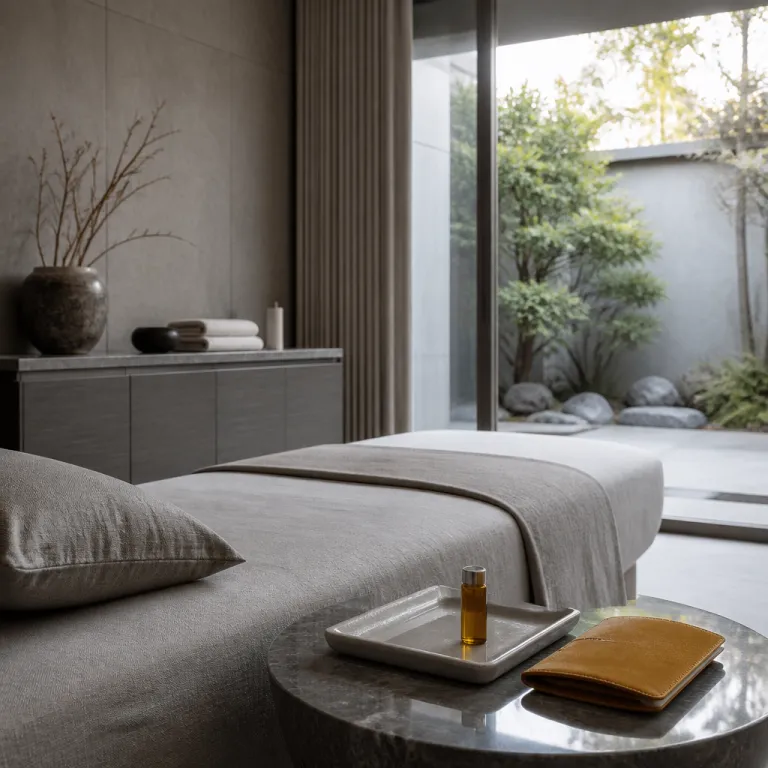
From a hospitality angle, premium centers elevate the experience with spa facilities, sleep optimisation suites, and nutrition programs that feel closer to a high end wellness resort than to a traditional rehab. If you are comparing different health resort programs, resources such as specialised guides to sleep retreats and rest focused wellness stays can help you benchmark what a truly restorative environment should offer. When you evaluate how much is ibogaine treatment in this context, ask whether the package includes airport transfers, private nursing care, and post stay coaching, because these extras can quietly increase the overall cost while significantly improving comfort and safety. As one clinician who supervises ibogaine retreats put it, “The setting should be beautiful, but the real luxury is having enough trained staff on shift when things get medically complicated.”
Safety, medical supervision, and evidence based standards you should demand
Any traveller considering ibogaine treatment in a resort setting must place safety above scenery. Ibogaine is a powerful psychoactive substance, and potential risks include cardiac complications and psychological distress. Peer reviewed reports, including reviews in Drug and Alcohol Dependence (Alper et al., 2012; Koenig & Hilber, 2015) and safety analyses submitted to regulatory agencies, consistently highlight concerns such as QT interval prolongation on ECG, arrhythmias, and sudden cardiac death in poorly screened patients. That official statement from clinical literature is clear: “What are the risks of ibogaine treatment? Potential risks include cardiac complications and psychological distress.”
For this reason, serious treatment centers insist on thorough pre treatment screening, including cardiac tests, blood work, and a detailed review of your drug history and current medications. At minimum, this should include a 12 lead ECG to assess QT interval, serum electrolytes such as potassium and magnesium, and liver function tests, because ibogaine is metabolised in the liver and interacts with many other drugs. During the ibogaine therapy session, continuous medical supervision with real time monitoring equipment is non negotiable, and there should be a physician on site with experience in addiction treatment and emergency care, supported by nurses trained in advanced cardiac life support. When you compare center pricing, verify that the quoted cost includes this level of medical staffing and on site emergency equipment such as defibrillators and oxygen, because some lower priced programs quietly reduce supervision to keep fees attractive.
In the wellness travel world, many signature therapies are marketed with poetic language but little data, so you should actively look for evidence based protocols and transparent reporting of outcomes. A critical lens similar to the one used in analyses of wellness resort signature treatments without evidence is essential when you assess ibogaine assisted programs. Ask each treatment center whether they follow international medical guidelines, how they handle withdrawal symptoms, and what emergency resources are available on site or nearby, then weigh these answers as heavily as the view from your suite. A cautious medical director will be comfortable explaining their complication rates, transfer arrangements with local hospitals, and the specific criteria they use to decline high risk candidates.
How program length, length of stay, and cash pay models shape pricing
Unlike a standard spa weekend, ibogaine treatment packages are usually structured as multi day or multi week programs with clearly defined phases. The program length often ranges from five to fourteen days, covering pre treatment preparation, the ibogaine administration itself, and several days of post session integration and observation. Your required length of stay may extend if you have complex mental health needs, a long history of opioid or polysubstance use, or pronounced withdrawal symptoms that demand slower tapering and closer care. Some clinics schedule a single high dose ibogaine session, while others use a series of lower “flood” and booster doses spaced over several days, which also influences how long you remain under observation.
Most ibogaine treatment clinics operate on a cash pay basis because insurance coverage is rare, especially for guests travelling from the United States where ibogaine remains a Schedule I substance and is not approved by the U.S. Food and Drug Administration. This means you will typically transfer the full cost before arrival, covering both the medical treatment and the hospitality components such as accommodation, meals, and wellness activities. Some centers offer tiered programs, where a core medical package can be upgraded with private rooms, extended therapy sessions, or long term aftercare, and each tier carries its own center pricing structure. For example, a shared room program might be quoted at around 9,000 USD for seven days, while a private suite with additional psychotherapy and extended monitoring could reach 15,000 USD or more in the same period.
To judge how much is ibogaine treatment in a fair way, compare the daily rate of different programs rather than only the headline figure. A ten day program with robust medical supervision, integrated addiction treatment, and comprehensive mental health support may offer better value than a shorter stay that cuts corners on safety or aftercare. For a broader benchmark on what intensive health resort programs cost, you can review analyses of health resort programs, their pricing, and what guests actually receive, then map those insights onto the specific realities of ibogaine therapy. When you speak with admissions teams, ask them to translate the package price into a per day figure that clearly separates clinical care from hospitality so you can compare like with like.
Positioning ibogaine treatment within the wider landscape of wellness travel
High net worth travellers now view health resorts as places for deep transformation rather than simple relaxation, and ibogaine treatment sits at the most intensive end of this spectrum. While classic wellness programs focus on sleep, nutrition, and stress relief, ibogaine assisted treatment targets entrenched addiction and complex substance related mental health patterns. This shift means that some luxury properties are partnering with specialised treatment centers, blending resort level hospitality with clinical programs that address opioid dependence, alcohol misuse, and other drug related disorders. In practice, this can look like a boutique hotel wing reserved for medical guests, with separate nursing stations and quiet zones away from regular holiday traffic.
From a trend perspective, the rise of psychedelic assisted therapy in destinations such as Mexico has created a new category of medical travel that overlaps with high end wellness tourism. Guests who once booked yoga retreats now enquire about evidence based psychedelic therapy, trauma informed care, and medication assisted protocols that can support long term recovery. Early outcome data from observational cohorts, including follow up surveys at six to twelve months, suggest that some participants report reduced substance use and improved quality of life after ibogaine, but researchers also note relapse rates and the importance of ongoing support. In this context, how much is ibogaine treatment becomes part of a broader decision about whether to invest in a single intensive intervention or to spread the same budget across several more traditional rehab or wellness programs.
For many travellers, the appeal lies in the possibility of addressing addiction and traumatic stress in a setting that feels safe, beautiful, and discreet. However, the luxury surroundings should never distract from hard questions about medical safety, regulatory status, and the scientific evidence supporting ibogaine therapy. When you evaluate different programs, weigh the quality of clinical care, the transparency of center pricing, and the availability of post stay resources as heavily as the spa menu or the view from the infinity pool. A thoughtful resort will be honest about both the potential benefits and the documented risks, and will encourage you to discuss the plan with your existing healthcare providers before you book flights.
Practical steps to choose the right ibogaine treatment center for your trip
Once you have decided that ibogaine treatment may be appropriate, the next step is to select a treatment center that aligns with both your clinical needs and your travel expectations. Start by verifying clinic credentials, checking the qualifications of the medical équipe, and confirming that there is round the clock medical supervision during and after the ibogaine session. You should also ask how the center screens for cardiac risk, manages withdrawal symptoms, and coordinates any necessary medication assisted care before or after the main therapy. Request copies of consent forms and medical protocols so you can see, in writing, how they handle complications and when they would transfer a guest to a local hospital.
Beyond the strictly medical questions, evaluate how each center integrates mental health support, trauma informed therapy, and long term recovery planning into its programs. A strong ibogaine therapy program will include structured preparation, guided integration sessions, and clear referrals to therapists or rehab resources in your home country once you leave the resort. If you are travelling from the United States, clarify how the center will communicate with any existing healthcare providers, because ibogaine remains illegal there and continuity of care requires careful planning. Some clinics now offer scheduled video follow ups at one, three, and six months post treatment, which can be invaluable when you return to everyday stressors.
Finally, request detailed written information on center pricing, including what is covered in the base cost and which services incur additional fees. Ask whether the center offers different program lengths, whether cash pay instalments are possible, and how they support guests who need extended stays due to complex addiction treatment needs. When you compare how much is ibogaine treatment across several luxury health resorts, prioritise transparent communication, robust safety protocols, and credible evidence based practices over purely aesthetic considerations. A clinic that answers detailed questions patiently and provides itemised quotes is usually a safer choice than one that focuses only on testimonials and sunset photos.
Key figures and statistics about ibogaine treatment in resort settings
- The average cost of a complete ibogaine treatment package at specialised clinics is often quoted in the 8,000–10,000 USD range for short stays, according to industry surveys and independent Ibogaine Treatment Guides, with luxury resort based programs frequently priced higher due to premium accommodation and personalised services.
- Typical program length for ibogaine therapy ranges from five to fourteen days, which includes pre treatment screening, the ibogaine administration phase, and several days of post session integration and observation in a controlled environment with continuous monitoring.
- Most ibogaine treatment centers serving international travellers are located in Mexico and other countries where the substance is not scheduled in the same way as in the United States, while ibogaine remains a Schedule I controlled substance under U.S. federal law, pushing American guests toward medical travel.
- Clinical literature highlights that ibogaine treatment carries significant risks, and official guidance emphasises that “Potential risks include cardiac complications and psychological distress”, underscoring the need for continuous medical supervision, ECG monitoring, and rapid access to emergency care in any resort setting.
- Growing interest in psychedelic therapies has led to an increase in the number of ibogaine treatment clinics worldwide, particularly in coastal regions that can combine medical care with resort style hospitality, reshaping the landscape of wellness and addiction focused travel and prompting regulators and researchers to call for stricter safety standards.
FAQ about ibogaine treatment and luxury health resorts
Is ibogaine treatment legal in the United States ?
Ibogaine is classified by the U.S. Drug Enforcement Administration as a Schedule I substance, which means it cannot be prescribed or administered legally in conventional medical settings there and is not approved by the U.S. Food and Drug Administration. As a result, most ibogaine treatment centers that cater to international guests are based in countries such as Mexico, where regulations differ and allow supervised clinical use under local law. Travellers from the United States typically pursue ibogaine therapy as part of medical travel and should plan for follow up care with legal, evidence based services at home.
What are the main risks of ibogaine treatment in a resort setting ?
The primary medical risks of ibogaine treatment include cardiac complications and psychological distress during or after the session. Published case reports describe serious events such as arrhythmias, seizures, and sudden death in people with underlying heart disease, electrolyte imbalances, or interacting medications. These risks make thorough pre treatment screening, continuous medical supervision, and access to emergency resources essential, even in a luxury resort environment. Guests should avoid any program that downplays these dangers or fails to provide clear protocols for managing adverse reactions and withdrawal symptoms.
How effective is ibogaine for addiction treatment and long term recovery ?
Some observational studies and follow up surveys suggest that ibogaine can interrupt opioid and other drug dependence and reduce cravings, especially when combined with structured addiction treatment and mental health support. For example, small cohorts have reported reduced withdrawal severity and lower self reported substance use for several months after treatment, although relapse remains common without ongoing care. However, more rigorous research is needed, and outcomes vary widely depending on the individual, the quality of the program, and the availability of long term aftercare. Travellers should view ibogaine therapy as one component of a broader recovery plan rather than a stand alone cure.
What should I look for when choosing an ibogaine treatment center abroad ?
Key criteria include verified medical credentials, clear safety protocols, continuous monitoring during the ibogaine session, and transparent center pricing that separates medical costs from hospitality services. You should also assess the quality of mental health care, the integration of evidence based therapies, and the strength of post stay support for maintaining recovery. A reputable center will answer detailed questions, provide written program outlines, share information about their screening tests and ECG requirements, and encourage you to consult your existing healthcare providers before booking.
How does a luxury health resort experience change the ibogaine treatment journey ?
A luxury health resort can offer a calmer, more comfortable environment for undergoing an intense therapy such as ibogaine, with private rooms, attentive care, and supportive wellness services. These elements may ease anxiety, support rest, and enhance the overall sense of safety, which can be valuable during a demanding psychological process. However, the quality of medical care, not the level of luxury, should remain the decisive factor when you evaluate how much is ibogaine treatment and whether a specific program is right for you. A truly high end experience is one where the clinical standards are as elevated as the design of the spa.
