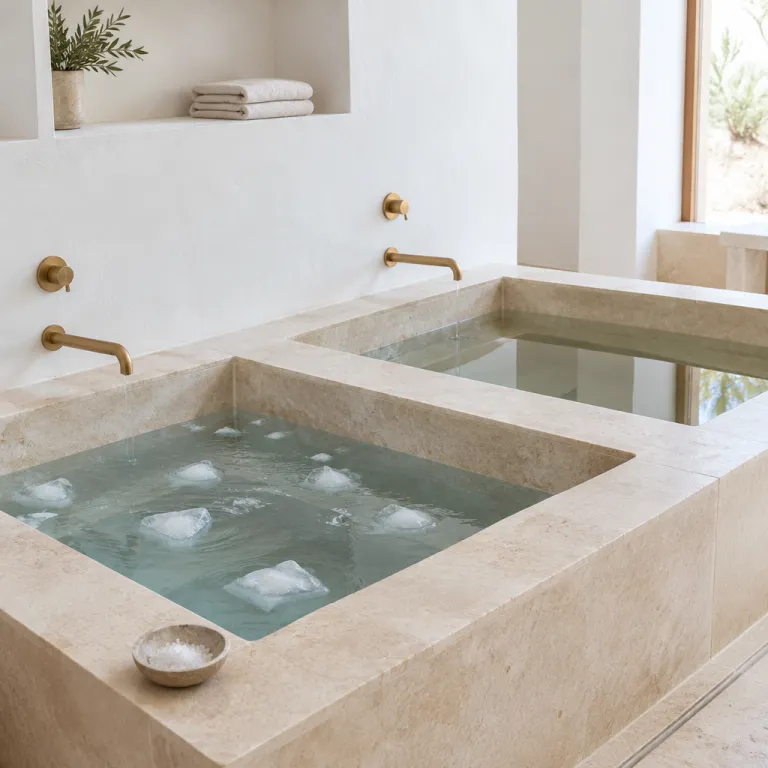
From Nordic plunge to headline act: how resorts frame contrast bathing
Cold immersion and contrast-style hydrotherapy have moved from fringe ritual to star attraction in serious wellness properties. Many health resorts now build entire hydrotherapy journeys around hot and cold water, promising sharper recovery, calmer mood and a more resilient body. The reality is more nuanced, and understanding the physiology helps you choose a pool or plunge that matches your health rather than the latest trend.
At its core, contrast therapy means alternating hot water immersion with cold water immersion so that your blood vessels repeatedly constrict and dilate. This hot–cold cycle shifts temperature at the skin and in superficial tissues, which changes blood flow patterns, heart rate responses and how your nervous system interprets stress. Resorts that take therapeutic contrast bathing seriously will specify exact temperature ranges, often keeping warm water between about 35 and 45 °C and cold water between roughly 7 and 15 °C, instead of vague promises about “icy” or “thermal” pools.
For guests, the experience usually starts in a sauna or warm pool, then moves to a cold plunge or cold shower, repeated for several short rounds. Some properties add hot springs or mineral-rich pools to the circuit, using naturally heated water therapy to complement the sharper edge of cold exposure. When you read a spa menu, look for clear language about immersion duration, the number of cycles, and whether the circuit is designed for post-exercise recovery, general wellness, or specific health goals.
What actually happens to your body in hot and cold water immersion
Step into warm water and your blood vessels open, your muscles loosen and your heart rate often rises slightly while your nervous system drifts toward relaxation. Move from that heat into cold water and the body reacts fast, with a brief spike in heart rate and blood pressure as blood vessels in the skin clamp down to protect core temperature. This rapid shift in blood flow is the essence of contrast bathing, and it is why a well-designed circuit can feel both calming and invigorating within minutes.
Cold immersion and cold therapy in general appear to reduce perceived muscle soreness after intense exercise, especially when used post-exercise within a few hours. A Cochrane-style systematic review of contrast water therapy for recovery after sport and exercise and a broader meta-analysis of cold-water immersion report small to moderate short-term benefits for soreness and markers of inflammation, but mixed evidence for long-term performance gains or deep tissue recovery (for example, see Cochrane Database Syst Rev 2013; and sports-medicine reviews in Br J Sports Med 2015 and 2018). Resorts that respect the science will frame cold water and heat–cold combinations as tools for temporary relief and mood support, not as miracle cures for every health concern.
Heat from a sauna or hot pool increases blood flow to the skin and peripheral tissues, while cold plunge pools reverse that pattern and shunt blood toward the core. This alternating pattern can leave you feeling light and clear-headed, yet the underlying physiology is still being mapped in controlled trials. When you compare properties, look for hydrotherapy circuits that integrate refined hot tub and sauna combinations, such as those described in elevated spa journeys with refined hot tub and sauna combinations, rather than one-dimensional cold tubs added purely for social media appeal.
Heritage, design and the difference between a circuit and a photo prop
Long before social media, cultures from Japan to Scandinavia used hot springs, steam rooms and cold rivers as part of daily bathing rituals. The best health resorts borrow from these traditions, combining natural hot springs or thermal pools with carefully engineered cold plunge basins to create a coherent hydrotherapy narrative. You feel that lineage when the water immersion sequence, the architecture and the guidance from therapists all align around a clear purpose.
A serious contrast-focused hydrotherapy circuit is choreographed, not improvised around a single tub. You might move from a dry sauna to a warm water pool, then to a cold plunge, followed by a rest zone where the nervous system can settle before the next round. Temperature signage, timers near each pool and staff trained in water therapy protocols are strong indicators that the property treats contrast therapy as more than a marketing line.
By contrast, some luxury hotels now install a lone cold plunge beside a generic pool, with no mention of heart rate responses, safe exposure times or who should avoid sudden heat–cold shifts. Before you book, ask how the resort maintains water quality, since heavily used pools and hot–cold circuits demand meticulous filtration, disinfection and microbiological testing. For a sense of what best practice looks like, read how leading properties keep spa water crystal clear in guides to spa water maintenance at luxury health resorts, then compare those standards with the answers you receive from wellness managers.
Evidence, safety and who should be cautious with contrast therapy
Cold immersion and contrast-style resort hydrotherapy are not risk free, especially for guests with cardiovascular or respiratory conditions. Moving quickly from hot water to cold water can cause abrupt changes in blood pressure, heart rate and the workload on the heart, particularly when blood vessels constrict suddenly in the limbs. People with known heart disease, uncontrolled high blood pressure or strong cold sensitivity should seek medical advice before attempting any intense cold exposure or structured contrast circuit.
Current research suggests that contrast bathing may reduce muscle soreness in the short term, but does not show strong evidence for long-term structural recovery or injury prevention. A widely cited sports-medicine review summarising controlled trials notes that contrast water therapy “may reduce soreness short-term; no strong long-term evidence”, while cardiology and environmental-physiology papers on cold shock emphasise that “there are risks for people with heart disease, high blood pressure and marked cold sensitivity” (see, for example, Br J Sports Med 2013; Eur J Appl Physiol 2009; and Circulation 2010).
Resorts that take guest safety seriously will screen for health conditions, limit cold immersion to about 30 to 90 seconds per plunge at 7 to 15 °C and encourage guests to end sessions warm to avoid hypothermia. They will also train spa therapists to monitor signs of distress, such as dizziness, chest discomfort or unusual shortness of breath during water immersion, and to stop a session if these appear. If a property cannot explain its protocols for managing heart rate spikes, nervous system overload or excessive drops in core temperature, you are better off choosing gentler warm water pools or a moderate sauna session instead.
How to choose the right hydrotherapy experience for your stay
For a solo traveler, the most valuable amenity is often not the biggest pool, but the clearest guidance on how to use it. Start by asking whether the resort offers structured contrast-style hydrotherapy sessions, ideally supervised by spa therapists or sports medicine specialists who understand post-exercise physiology. Clarify whether the circuit is designed for general wellness, athletic recovery or specific health concerns, because each goal implies different temperature ranges, immersion times and rest periods.
If you are using contrast therapy after exercise, look for properties that schedule water immersion within a few hours of your workout and that explain how many hot–cold cycles they recommend. Some guests enjoy three or four rounds of heat–cold transitions, while others feel best after a single cold plunge followed by quiet time in a warm relaxation room. The key is to respect your own body signals, especially changes in heart rate, breathing and perceived fatigue during and after each plunge.
Before confirming a booking, ask practical questions about pool depth, access, and whether there are separate pools for hot springs, warm water soaking and cold therapy. Inquire about any systematic reviews, meta-analyses or clinical data the resort uses to design its protocols, and how they adapt those guidelines for different ages and health profiles. For a broader view of how serious wellness properties integrate hydrotherapy with sleep, light and ritual, explore in-depth program reviews such as analyses of lunar cycle wellness programs at leading health resorts, then use that benchmark when evaluating your own short list.
FAQ
Does contrast bathing really help with muscle recovery after exercise ?
Contrast bathing and cold immersion can reduce perceived muscle soreness in the hours after intense exercise, especially when used post-exercise in short, repeated cycles. Research syntheses, including a Cochrane-style review and sports-medicine meta-analyses, show modest short-term benefits for inflammation and stress, but no strong evidence that these methods accelerate long-term structural recovery or prevent injury. Think of them as tools for comfort and mood rather than guaranteed performance enhancers.
What temperatures and timings are typical in resort hydrotherapy circuits ?
Serious health resorts usually keep hot pools or saunas between about 35 and 45 °C, and cold plunge pools between roughly 7 and 15 °C. Guests often spend several minutes in heat, then 30 to 90 seconds in cold water, repeating the cycle for a total of around 10 to 15 minutes. Always follow on-site guidance, because your body size, health status and experience with cold exposure all influence safe duration.
Who should avoid intense cold immersion and hot cold contrast therapy ?
People with known heart disease, uncontrolled high blood pressure, severe circulation problems or strong cold sensitivity should be cautious with sudden heat–cold transitions. The rapid constriction of blood vessels and spike in heart rate during cold exposure can be risky for these guests, especially when moving directly from a very hot sauna into very cold water. If you have any cardiovascular or respiratory condition, seek medical advice before booking a program centered on cold therapy or contrast bathing.
How can I tell if a resort takes hydrotherapy safety seriously ?
Look for clear information about water temperature ranges, recommended immersion times and who should not use certain pools or circuits. Ask whether staff are trained to monitor heart rate changes, signs of nervous system overload and early symptoms of hypothermia during water immersion, and whether they perform basic health screening before intense sessions. Properties that can explain their protocols in detail, including how they adapt them for different health profiles, are more likely to offer safe and effective experiences.
Is a single cold plunge enough, or do I need full contrast therapy ?
A single cold plunge after a warm shower or light sauna can be sufficient for many travelers seeking a brief sense of alertness and reset. Full contrast therapy circuits with multiple hot and cold cycles may offer a stronger subjective feeling of recovery, but they are not essential for every guest or every stay. Start conservatively, observe how your body responds, and only then decide whether more complex circuits add value to your personal wellness routine.
At-a-glance protocol guide for resort contrast hydrotherapy
Typical temperatures: hot pools or saunas 35–45 °C; cold plunge pools 7–15 °C.
Immersion times: several minutes in heat followed by about 30–90 seconds in cold water, repeated for a total session of roughly 10–15 minutes, ending warm.
Cycles: many guests complete one to four hot–cold rounds, with quiet rest between cycles and after the final plunge.
Absolute contraindications: known heart disease without medical clearance, uncontrolled high blood pressure, severe circulation disorders, recent cardiac events, strong cold sensitivity syndromes and any condition where sudden blood pressure shifts are unsafe.