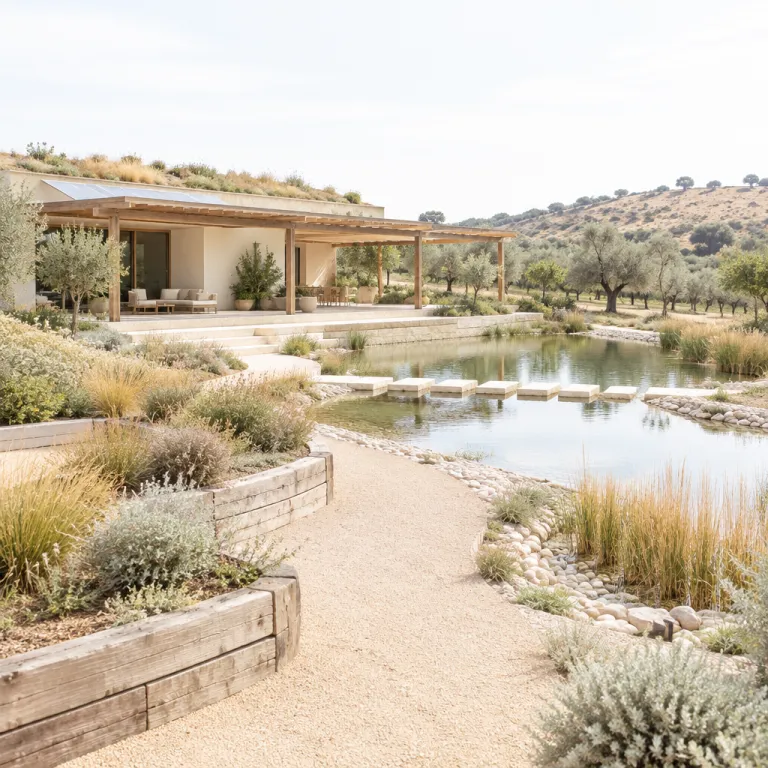
From sustainable resort to regenerative wellness place
Regenerative wellness travel sustainable resort experiences ask more of both hotels and guests. A sustainable resort aims to reduce harm, while a truly regenerative hotel is designed to leave the land and local communities healthier than before tourism arrived. For couples planning luxury travel, this shift changes how you evaluate hospitality, how you spend during travel, and how you measure your own impact.
In classic sustainable tourism, a hotel will focus on energy efficient systems, reduced plastic, and careful water use. Regenerative travel goes further, requiring hotels resorts to restore habitats, support local communities with long term jobs, and protect cultural heritage through funded programs rather than themed décor. When you choose a regenerative wellness travel sustainable resort, you are effectively choosing where your money will flow in the travel industry and what kind of future travel you want to support.
Think of regenerative luxury as a contract between travelers, the land, and the people who live there. A regenerative hotel or a group of regenerative hotels commits to measurable conservation outcomes, such as reforestation or wetland restoration on the property. In return, guests enjoy luxury hospitality that feels grounded in place, with eco design, local food systems, and wellness rituals that reflect the region instead of a generic global spa script.
How regenerative wellness resorts actually work on the ground
Behind the calm surface of a regenerative wellness travel sustainable resort, there is usually a complex social environmental strategy. Management teams map the property’s ecosystems, identify degraded areas, and set clear conservation targets that go beyond standard sustainable tourism certifications. The most serious hotels travel programs publish data on restored hectares, native species returning, and the percentage of food sourced from local producers within 50 kilometres.
For couples comparing luxury hotels, the difference between sustainable and regenerative often appears in how staff talk about the land. A sustainable resort might highlight eco features such as solar panels, while a regenerative hotel will walk you through on site rewilding projects, seed banks, and water catchment systems that feed both the property and nearby local communities. As regulators tighten rules on green claims in tourism, guides such as this analysis of wellness resort environmental claims help travelers separate marketing from measurable impact.
Regenerative hotels also rethink hospitality jobs and training. Instead of importing senior staff, many properties invest in long term education for local teams, creating pathways from entry level roles to management in luxury hospitality. This approach keeps more value in the place, strengthens social environmental resilience, and gives guests a richer sense of connection when they return to the same hotel over several years.
Regenerative luxury in Costa Rica and beyond
Costa Rica has become a reference point for regenerative wellness travel sustainable resort design. The country’s long standing conservation policies, strong eco legislation, and focus on renewable energy make it fertile ground for regenerative travel experiments. For couples, that means you can move between different costa rica regions and still find hotels that treat the forest as a partner rather than a backdrop.
In the hills above the Pacific, some regenerative hotels in Costa Rica integrate thermal springs, forest bathing trails, and locally guided birdwatching into structured wellness programs. These hotels resorts often work with local communities to restore wildlife corridors, fund rural health clinics, and support cultural heritage projects such as traditional weaving or cacao ceremonies. When you book this kind of regenerative luxury stay, your travel spend supports both biodiversity and social infrastructure rather than only private amenities.
Frameworks such as the Responsible Retreats approach, explained in detail in this guide to what changes for wellness travelers, give structure to these ambitions. They help travelers compare a regenerative hotel in Costa Rica with a similar property in another destination, using shared criteria around conservation, community benefit, and guest education. Over time, this kind of benchmarking will push more hotels travel operators to move from sustainable tourism language toward genuinely regenerative travel commitments.
What couples should look for when booking regenerative wellness stays
When you browse a luxury and premium booking website for health resorts, the language around regenerative wellness travel sustainable resort stays can feel dense. Start with three simple questions ; what is being regenerated, who benefits, and how can you as travelers participate meaningfully. A serious regenerative hotel will answer all three with specific numbers, named partners, and clear guest experiences rather than vague eco promises.
Look for data on local sourcing, such as the percentage of food, spa ingredients, and construction materials that come from within the region. Strong properties share how many hospitality jobs go to local residents, how much revenue is reinvested into conservation, and what social environmental programs they support in nearby villages. Some luxury hospitality leaders now publish biodiversity monitoring results alongside spa menus, treating wildlife counts as seriously as occupancy rates.
Guest participation should feel optional yet thoughtfully designed. You might join a reforestation walk, help map coral health with marine biologists, or attend a small group session on epigenetic testing, guided by clinicians rather than influencers, as outlined in this deep dive into DNA methylation at wellness resorts. These experiences turn luxury travel into a form of regenerative travel, where your stay contributes to the future health of the destination instead of simply consuming it.
How the travel industry is reframing luxury hospitality for the future
Across the travel industry, regenerative wellness travel sustainable resort concepts are reshaping what counts as aspirational. Luxury is no longer defined only by marble, thread counts, and imported superfoods, but by how a hotel protects its watershed, supports local communities, and leaves a positive impact on regional tourism economies. For couples, this means that the most memorable stays often feel quieter, more grounded, and more deeply tied to one specific place.
Forward looking groups such as Banyan Group and curated portfolios like the Ownia Collection are experimenting with regenerative luxury models. They work with founder CEO teams who grew up in the destination, understand cultural heritage from the inside, and can align wellness programming with local healing traditions rather than a generic global template. Media platforms such as Destination Deluxe increasingly highlight regenerative hotels that treat conservation, social equity, and guest wellbeing as one integrated system.
As future travel patterns evolve, the most resilient hotels resorts will be those that embed regeneration into every decision. This includes how they design buildings, how they manage water, how they structure hospitality jobs, and how they share value with farmers, artisans, and guides in surrounding villages. For couples choosing where to travel, asking precise questions about eco practices, community partnerships, and long term conservation plans is now part of the luxury experience itself.
FAQ
How is a regenerative wellness resort different from a sustainable resort ?
A sustainable resort focuses on reducing negative impact, such as cutting energy use or plastic waste. A regenerative wellness resort goes further by actively restoring ecosystems, funding community health or education, and protecting cultural heritage through long term programs. In practice, you should see measurable conservation projects, transparent social investment, and guest experiences that connect you directly with the land and local communities.
How can I verify a resort’s regenerative claims before booking ?
Look for specific data rather than broad marketing language. Serious properties publish figures on local sourcing, conservation outcomes, and community investment, and they often work with independent auditors or recognized frameworks. If a hotel cannot share clear numbers or concrete examples, it is likely operating at a basic sustainable level rather than truly regenerative.
Are regenerative wellness resorts always more expensive ?
Prices vary widely, but regenerative properties are not automatically more costly than other luxury hotels. Some save money through efficient resource use and long term local partnerships, then reinvest those savings into conservation and social programs. What you usually pay for is depth of experience, smaller scale, and the assurance that your stay supports a healthier future for the destination.
What should couples prioritize when choosing a regenerative wellness stay ?
Start with location and sense of place, then examine how the resort relates to its surrounding ecosystems and communities. Prioritize properties that employ local staff in meaningful roles, source most food and spa ingredients locally, and invite guests into small scale conservation or cultural activities. This combination usually signals a resort that treats regeneration as its core mission rather than a marketing theme.
Can short stays still have a positive impact in regenerative travel ?
Even a three night stay can contribute meaningfully if the resort has strong regenerative systems in place. Your room rate supports ongoing conservation and community programs, and you can amplify that by choosing local experiences, dining on regional produce, and engaging respectfully with guides and artisans. The key is selecting properties where every guest night is already woven into a long term regenerative plan.