Reading a thalassotherapy, thermal springs and hydrotherapy guide like a clinician
Approach any serious thalassotherapy, thermal springs and hydrotherapy guide as you would a clinical briefing, not a glossy spa brochure. A credible health resort should explain how its mineral water, thermal facilities and hydrotherapy protocols interact with physiology and long term health. When you read property descriptions, look for precise language about mineral composition, treatment design and measurable outcomes rather than vague promises about “energy flow” or undefined “toxins.”
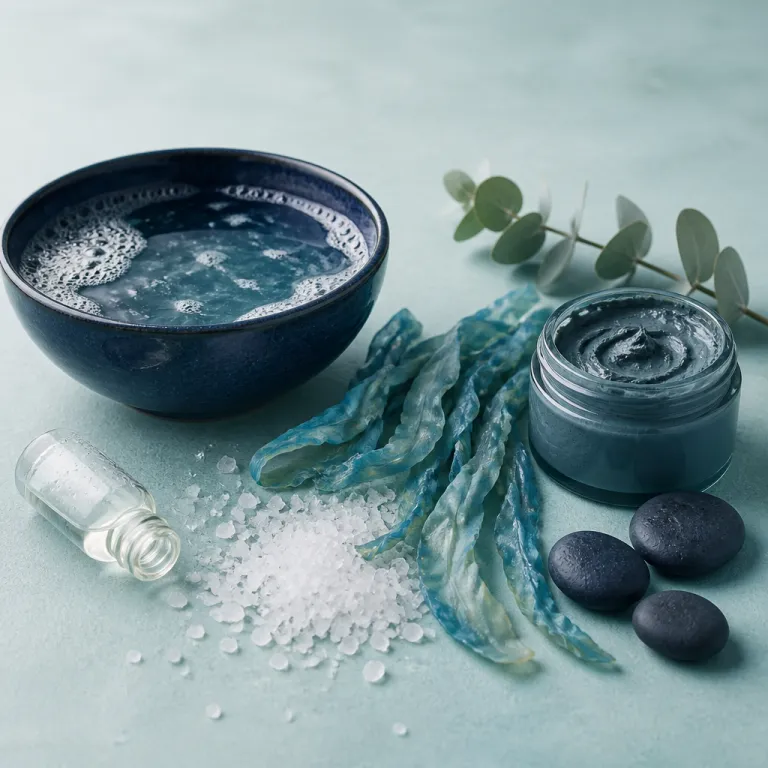
Authentic thalassotherapy uses heated seawater, marine mud and algae in structured sessions that target circulation, joints and certain skin conditions. In a rigorous guide to seawater therapy and thermal hydrotherapy, you should see details about water temperatures (for example 32–36 °C for exercise pools), session duration, contraindications and how many baths or body wraps form a complete treatment cycle. When a resort claims therapeutic benefits from its pools or baths, ask whether those claims are based on balneological studies, medical supervision or simply on the long history of public baths and natural springs in the region.
Thermal spas built around natural springs should publish the mineral analysis of their thermal water if they want to be taken seriously. You are looking for quantified levels of sulphur (often 5–50 mg/L in sulphurous springs), bicarbonate, magnesium and other trace elements that justify specific indications. A trustworthy hydrotherapy and thermal spa guide will also explain whether the hydrotherapy pool uses untreated spring water, partially filtered thermal mineral water or synthetically enriched systems that only imitate natural springs.
Hydrotherapy circuits, especially those inspired by the Kneipp tradition, rely on contrast between warm water and cold immersion to stimulate circulation. When a resort describes its hydrotherapy pool sequence, it should specify temperatures (for example 10–15 °C for cold plunges and 36–40 °C for hot baths), immersion times and rest phases rather than just listing a swimming pool, sauna and generic spa facilities. This level of detail lets you compare thermal baths in Greece with thermal spas in Central Europe or Japan on more than just aesthetics and marketing language.
Thalassotherapy: when seawater becomes a medical grade treatment
True thalassotherapy starts with seawater that is pumped, filtered and heated, then used in controlled hydrotherapy treatment rooms rather than only in an outdoor pool. In coastal health resorts in Brittany, Tunisia or Portugal, the best thalassotherapy facilities integrate marine baths, jet showers and algae wraps into doctor prescribed treatment plans. A serious coastal hydrotherapy guide will distinguish between a simple seaside spa and a center that uses seawater as a form of medical water therapy with clearly defined therapeutic goals.
Seawater contains mineral salts and trace elements that broadly resemble the composition of human plasma, which is why thalassotherapy is often positioned as a systemic water therapy for the whole body. In practice, the strongest evidence supports its use for musculoskeletal pain, mild circulatory issues and certain skin conditions when combined with exercise in warm water and supervised hydrotherapy sessions. For example, a randomized trial in patients with chronic low back pain reported clinically meaningful pain reduction after a three week balneotherapy and exercise program using mineral rich water (see: Fioravanti et al., Clinical Rheumatology, 2012, DOI: 10.1007/s10067-011-1840-3). Look for programs that combine hydrotherapy pool exercise, marine mud packs and targeted treatments rather than only offering a thalassotherapy themed swimming pool with ocean views.
Many coastal resorts now market thalassotherapy style experiences without meeting clinical standards, so you need to read carefully. If a property in Greece or along the Algarve coast advertises thalassotherapy, check whether the baths use real seawater or just mineral water enriched with sea salt. A robust guide to marine and thermal water treatments will clarify whether the spa relies on natural springs, piped seawater or a blend of thermal mineral and marine ingredients for each protocol.
Contrast therapy is increasingly paired with thalassotherapy, especially in high end hydrotherapy circuits that alternate warm water jets with cold plunge pools. For travelers interested in more extreme temperature work, it is worth reading a dedicated guide to whole body cryotherapy and contrast protocols such as the one on luxury cryotherapy centers for wellness travelers. When you combine clinically structured thalassotherapy with evidence based cold exposure, the result can be a powerful, time efficient program rather than a loosely assembled menu of spa treatments.
Thermal springs and thermal spas: decoding mineral water claims
Not all thermal springs are created equal, and a sophisticated traveler treats each thermal spring like a different medicine. The therapeutic profile of any thermal spa depends on the mineral composition of its thermal water, the temperature at emergence and the way that water is delivered in baths, inhalation treatments or drinking cures. When a resort claims that its springs heal everything from arthritis to insomnia, you should immediately look for the underlying mineral analysis.
In Greece, for example, the thermal springs at Loutraki and Edipsos are rich in specific mineral waters that have been studied for musculoskeletal and circulatory conditions. A reliable mineral springs and hydrotherapy guide will reference whether the spring water is sulphurous, bicarbonate rich, ferruginous or slightly radioactive, because each thermal mineral profile suggests different indications and contraindications. You want to see clear distinctions between drinking cures using mineral water, external bathing in thermal baths and targeted hydrotherapy treatment protocols.
Many historic public baths across Europe were built where natural springs emerged with stable temperatures and distinctive trace elements. Modern luxury properties sometimes pipe that same spring water into a contemporary hydrotherapy pool or private bathing suite, but the clinical value depends on how much the water is treated or diluted. When you read about a thermal spa renovation, check whether the architects preserved direct access to the thermal spring or replaced it with a standard swimming pool filled with heated tap water.
Some of the most interesting projects now blend traditional balneology with integrative medicine, as seen at urban wellness centers that use both thermal water and advanced diagnostics. For an example of this hybrid model, look at the way Elera Spa in downtown Reno combines evidence based therapies with a refined hospitality experience. When a property treats its thermal spas as part of a broader medical ecosystem rather than just as decorative pools, your chances of meaningful therapeutic benefit increase significantly.
Hydrotherapy circuits and Kneipp inspired water therapy
Hydrotherapy circuits are where the science of water therapy is currently most robust, especially for circulation, recovery and mood. A well designed circuit moves you through warm water immersion, cold plunges, steam, air jets and rest phases in a specific order and timing. In a serious guide to hydrotherapy circuits, these sequences are described with clinical precision rather than poetic metaphors.
The Kneipp tradition, developed in Germany, formalized water hydrotherapy into structured rituals that use alternating temperatures and pressures to train the vascular system. Modern hydrotherapy pool circuits borrow this logic, combining walking paths in shallow cold spring water, high pressure jets for the lower body and thermal baths for relaxation. Evidence from sports medicine and rehabilitation supports contrast hydrotherapy for reducing inflammation and improving perceived recovery after intense exercise. A meta analysis in the Journal of Strength and Conditioning Research (Higgins et al., 2017, DOI: 10.1519/JSC.0000000000001841) reported that alternating hot and cold immersion can reduce delayed onset muscle soreness within 24–48 hours.
When evaluating a luxury health resort, look beyond the headline of a large swimming pool or dramatic spa architecture. Ask how many minutes you will spend in each treatment zone, what the exact thermal range is between hot and cold baths, and whether staff are trained to adapt the circuit to your health status. A thoughtful hydrotherapy and thermal spa guide will also mention contraindications for people with cardiovascular disease, uncontrolled hypertension or certain skin conditions.
Some travelers prefer to combine hydrotherapy with other temperature based modalities such as cryotherapy, infrared saunas or snow rooms. For those planning a multi destination wellness trip, pairing a clinically structured hydrotherapy circuit with a session at a high end cryotherapy center, as profiled in the Shenzhen whole body cryotherapy guide on HealthResortStay, can create a powerful contrast program. The key is to treat each water treatment or temperature exposure as part of a coherent protocol rather than as isolated spa experiences collected for social media.
Holistic spa journeys: designing a water based stay that actually works
A holistic spa journey built around water should feel more like a residency than a random sequence of indulgent treatments. Start by clarifying whether your priority is musculoskeletal pain, stress regulation, skin health or metabolic support, because each goal suggests a different mix of thalassotherapy, thermal springs and hydrotherapy. A well curated guide to water based medical wellness will help you translate those goals into specific baths, body treatments and daily routines.
For joint pain and post injury recovery, prioritize warm water exercise in a hydrotherapy pool, targeted jet massages and alternating thermal baths under physiotherapist supervision. If your focus is skin and respiratory health, look for thermal spas with sulphurous or saline mineral waters, inhalation therapies and dermatology informed treatment menus. Travelers seeking nervous system regulation often benefit from slow contrast circuits, quiet thermal water bathing and structured rest rather than maximal stimulation in every pool and sauna.
Holistic does not mean vague, and the best health resorts now integrate diagnostics, lab work and medical consultations into their spa journeys. When a property offers a three or seven night water based program, ask how the team adapts hydrotherapy treatment intensity, thermal exposure and mineral water use over the stay. A refined guide to thalassotherapy and thermal spa planning will also address sleep, nutrition and movement, because no amount of spring water immersion compensates for chronic sleep debt or ultra processed food.
From a booking perspective, it is worth investing in flexible credit that lets you adjust your stay length or upgrade to more intensive programs once on site. Tools such as a curated hotel gift card, as explained in HealthResortStay’s guide to refined ways to book your next health resort stay, can give you that agility without locking you into a rigid package. The most transformative water therapy journeys often emerge when you can extend by a day or two once you feel how your body responds to the springs and treatments.
How to evaluate luxury health resorts built around water
Choosing a luxury health resort for water based therapies requires the same rigor you would apply to selecting a specialist clinic. Start with the source of the water, whether it is a coastal thalassotherapy center, a mountain thermal spring or a resort that relies on piped mineral water. A serious evaluator’s guide will always begin with geology and hydrology before discussing design or amenities.
Ask for recent laboratory reports on the thermal water, including mineral content, microbiological safety and temperature at emergence. Properties that treat their springs as a medical asset will share data on trace elements, pH and any specific compounds such as sulphur or radon that shape therapeutic indications. If a resort uses natural springs but heavily filters or heats the water beyond its natural thermal range, the clinical profile of the baths may change significantly.
Next, examine the medical governance of the spa and hydrotherapy facilities. Look for on site physicians, physiotherapists or balneologists who design treatment protocols, supervise hydrotherapy pool use and adapt water treatment intensity to individual health conditions. When a property positions itself as a thermal spa or medical wellness resort but cannot explain who is responsible for clinical oversight, you are essentially paying for public baths with luxury finishes.
Finally, consider the ratio between quiet therapeutic spaces and social or aesthetic pools. A resort that dedicates most of its spring water to an Instagram ready swimming pool may not be serious about health outcomes. In contrast, properties that reserve their purest thermal mineral waters for dedicated treatment rooms, inhalation cabins and calm bathing halls tend to deliver deeper results for travelers who value evidence based wellness over spectacle.
From Roman baths to modern clinical hydrotherapy: why history still matters
The story of water based healing runs from ancient Roman baths to contemporary clinical hydrotherapy, and understanding that history sharpens your choices. Romans built elaborate public baths wherever natural springs emerged, using warm water not only for hygiene but also for social and therapeutic purposes. Many of today’s most respected thermal spas in Europe, from Baden Baden to Bath and Greece’s Edipsos, still occupy sites first chosen for their spring water centuries ago.
Over time, balneology transformed these traditions into a medical discipline that studies how mineral waters and thermal baths affect specific conditions. In Central Europe, state funded health systems still prescribe multi week stays at thermal spas for rheumatologic, dermatologic and post surgical rehabilitation, based on decades of observational data. A nuanced guide to thalassotherapy, thermal springs and hydrotherapy will acknowledge that while not every historical claim holds up to randomized controlled trials, the accumulated clinical experience is too substantial to dismiss. For instance, a review in the International Journal of Biometeorology (Gutenbrunner et al., 2010, DOI: 10.1007/s00484-010-0321-5) summarizes evidence for balneotherapy in chronic musculoskeletal and skin diseases.
Modern hydrotherapy has also absorbed influences from the Kneipp movement, Japanese onsen culture and Scandinavian cold bathing rituals. What unites these practices is a disciplined approach to temperature, duration and rest, rather than a focus on ornate pool design or scented spa products. When you walk into a contemporary thermal spa that respects this lineage, you feel it in the quiet, the clarity of the water and the way staff speak about each treatment as part of a coherent therapeutic philosophy.
For travelers, this historical perspective becomes a practical filter. Resorts that reference history only as décor, with faux Roman columns around a chlorinated pool, usually treat water as a theme. Properties that can explain how their specific thermal spring, mineral water profile and hydrotherapy treatment protocols evolved from local bathing traditions tend to offer more grounded, effective experiences for your body and long term health.
Key figures on water based therapies and thermal health travel
- The Global Wellness Institute has estimated that wellness tourism represents hundreds of billions of dollars in annual spending worldwide, with thermal and mineral springs tourism forming a significant and steadily growing segment of that market.
- Data from the European Spas Association indicate that millions of medical spa and thermal spa stays are prescribed each year across Europe, especially in countries such as Germany, Czech Republic and Hungary where balneology is integrated into public health systems.
- Clinical research published in rheumatology and dermatology journals has reported that multi week balneotherapy programs using sulphurous or saline mineral waters can lead to sustained symptom improvement for chronic joint and skin conditions compared with standard care alone. For example, a trial in patients with knee osteoarthritis found that a two week course of sulphurous baths produced pain and function benefits lasting up to three months (Tefner et al., Clinical Rheumatology, 2013, DOI: 10.1007/s10067-012-2100-0).
- Sports science studies on contrast hydrotherapy have shown that alternating hot and cold water immersion can reduce perceived muscle soreness and improve recovery markers in athletes within 24 to 48 hours after intense exercise sessions.
- Environmental and engineering reports on thermal water management highlight that maintaining stable temperatures and mineral compositions from thermal spring to hydrotherapy pool requires careful design of piping, storage and filtration systems to preserve therapeutic properties.
FAQ about thalassotherapy, thermal springs and hydrotherapy circuits
How do I choose between a thalassotherapy resort and a thermal spring spa ?
Choose a thalassotherapy resort if you want seawater based treatments, marine mud and algae protocols, and you enjoy coastal climates with ocean air. Opt for a thermal spring spa when you are targeting conditions such as arthritis, certain skin diseases or post injury recovery that may benefit from specific mineral waters emerging from natural springs. In both cases, prioritize properties that publish mineral analyses, describe treatment protocols clearly and offer medical supervision rather than only leisure oriented pools.
Are hydrotherapy circuits safe for people with heart or blood pressure issues ?
Hydrotherapy circuits that use strong temperature contrasts can stress the cardiovascular system, so people with heart disease or uncontrolled hypertension need medical clearance before participating. Many reputable thermal spas and thalassotherapy centers require a brief consultation to adapt water therapy intensity, shorten cold exposures or avoid certain baths for higher risk guests. If a resort does not ask about your health history before sending you into a hot cold circuit, treat that as a red flag.
Can thermal water and mineral baths replace conventional medical treatment ?
Thermal water therapies and mineral baths should be viewed as complementary to, not replacements for, conventional medical care. Evidence supports benefits for pain relief, mobility, certain skin conditions and quality of life, especially when combined with exercise and rehabilitation. Always continue prescribed medications and discuss any intensive spa or hydrotherapy program with your physician, particularly if you have chronic illnesses or complex treatment plans.
What should I look for in my room and facilities when booking a water focused health resort ?
For a water focused stay, prioritize direct or easy access to the hydrotherapy pool area, quiet zones for rest between treatments and in room ventilation that handles humidity from frequent bathing. Some high end thermal spas offer rooms with private access to spring water taps or soaking tubs fed by the thermal spring, which can be valuable if you are on a prescribed multi daily bathing schedule. Check whether the resort limits general swimming pool noise in therapeutic areas, as silence and calm are part of the clinical effect.
How long should I stay at a thermal spa or thalassotherapy center to see benefits ?
Most clinical balneology programs in Europe are structured around stays of 10 to 21 days, with daily or twice daily treatments using thermal water or seawater. Shorter three to five night programs can still provide meaningful relaxation, pain relief and sleep improvements, especially when hydrotherapy sessions are carefully planned. If you are traveling long haul or managing a chronic condition, consider a minimum of one week to allow your body to adapt to the new routines and make full use of the springs and treatments.
References : World Health Organization reports on traditional and complementary medicine ; Global Wellness Institute research on wellness tourism and thermal mineral springs ; European Spas Association publications on balneology and medical spa outcomes ; selected clinical studies cited above.