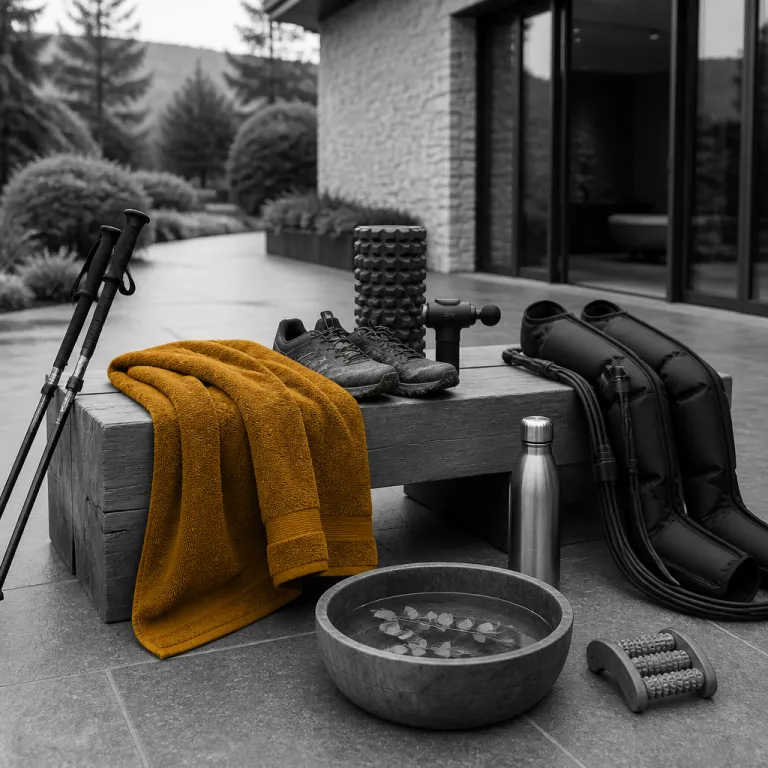
From trail run to tailored active wellness resort recovery protocol
At serious health resorts, the trail run is only half the story. The most forward-looking properties now build a structured post-run recovery protocol that treats the hours after your run as prime time for repair and adaptation rather than idle downtime. For families booking a premium wellness retreat, this shift means your stay becomes a coherent programme that protects long-term health instead of a loose collection of spa appointments.
Trail running on steep terrain taxes muscles, joints and the nervous system, so the best resorts respond with evidence-informed treatment rather than scented candles. Many now integrate cryotherapy, HydroMassage and compression therapy as core recovery services, using tools such as CryoLounge+ chairs, Therabody JetBoots and infrared saunas to support recovery in a measurable way. The objective is clear: accelerate recovery, reduce injury risk and enhance performance while maintaining a sense of ease that still feels like a holiday.
For guests, this means your booking conversation should go beyond room categories and half-board plans. Ask how the resort sequences exertion and care across the day, and whether recovery protocols are personalised for different fitness levels and ages within a family. A credible health wellness property will explain how they monitor blood flow, range of motion and sleep quality over several days to guide optimal recovery rather than leaving you to self-direct between the pool and the spa. As one resort physiotherapist put it, “We design the day so that every hard effort has a matching recovery moment built in.”
Evidence based recovery technologies, from cryotherapy to light therapy
Not every shiny device in a spa is worth your time, so focus on resorts that can explain the medical rationale behind each therapy. Systematic reviews, such as the 2015 overview by Bleakley et al. in the International Journal of Sports Medicine, suggest that cold-based interventions, often grouped under the term cryotherapy, can meaningfully reduce perceived muscle soreness after intense efforts, typically by around 20–30% in the first 48 hours, even if exact percentages vary between studies. When a health resort integrates this into a post-run recovery plan, it usually appears as short, supervised sessions scheduled soon after your trail run rather than as a random add-on treatment.
Compression therapy is another technology now standard in serious wellness retreat settings, especially those catering to runners and cyclists. A 2020 overview in the Journal of Strength and Conditioning Research by Brophy-Williams and colleagues reported modest but consistent improvements in circulation and recovery markers with intermittent pneumatic compression, including small reductions in creatine kinase and perceived soreness alongside slightly faster strength recovery, which is why you increasingly see Therabody JetBoots in recovery lounges. Look for properties where these therapy sessions are paired with manual therapy or physical therapy to support recovery of both soft tissue and joint range of motion, rather than used as a stand-alone gadget.
Light-based options require more scrutiny, because red light and infrared light therapy sit on a spectrum from well-studied to pure theatre. Resorts with genuine comprehensive wellness ambitions will be transparent about which devices have evidence-based support for anti-inflammatory effects, immune function modulation or stress reduction, and which are simply relaxing. For example, a 2017 meta-analysis by Leal-Junior et al. in Lasers in Medical Science found that low-level laser and red light therapy produced small-to-moderate improvements in post-exercise muscle performance and soreness, while other wavelengths and unregulated devices remain experimental. If you are planning a seasonal training block, read deeper guides on specialised programmes such as gut health retreats at wellness resorts on HealthResortStay, then apply the same critical lens to any light-based service offered after your trail sessions. A short case example: one coastal resort now schedules 10-minute red light sessions after evening runs for guests reporting high stress, then tracks sleep quality changes over the week to see who benefits most.
Designing a family friendly recovery programme that still feels like a holiday
Families booking an active wellness retreat face a specific challenge: you want serious health and wellness gains without turning the trip into a clinical boot camp. The best resorts now design a layered active wellness resort recovery protocol that respects different ages, from children experiencing their first guided hike to parents training for a marathon. This means recovery is framed as care and support rather than punishment for having exercised.
For adults, you might see structured therapy sessions that alternate between physical therapy, manual therapy and targeted spa treatments, all aimed at optimal recovery after long trail runs or coastal circuits. Teenagers, by contrast, respond better to short, gamified formats such as teen fitness challenges followed by supervised cold plunges or light therapy lounges that quietly introduce concepts like stress reduction and mental health hygiene. Younger children may join gentle nature walks, warm water play and early evening wind-down routines that prioritise sleep quality and nervous system calm rather than formal treatment.
When evaluating a property, ask whether recovery protocols are adapted for family schedules, including early dinners, flexible childcare and quiet zones that genuinely help with sleep. A resort serious about comprehensive wellness will talk about long-term habits, from better sleep to sustainable stress management, not just the week’s menu of services. For parents who plan trips around school calendars, HealthResortStay’s guide on hormonal health at a wellness resort is not a trend piece but a useful framework for judging whether a programme respects female physiology across different life stages and training loads.
How to read a resort’s recovery infrastructure before you book
Most booking engines highlight ocean views and pool sizes, but discerning guests now scan for recovery infrastructure with the same attention. A credible health resort will show a clear ratio of treatment rooms and therapy spaces to activity offerings, signalling that recovery and healing are built into the architecture rather than squeezed into a single spa corridor. When you see multiple dedicated recovery lounges, quiet sleep pods and separate areas for physical therapy, you are usually looking at a property that takes optimal recovery seriously.
Staffing is the next filter, because technology without qualified people rarely delivers comprehensive wellness outcomes. Look for teams that include sports medicine physicians, physiotherapists, manual therapy specialists and psychologists who understand mental health in athletic contexts, not just massage therapists. Ask whether they run structured therapy sessions that track blood flow, range of motion and pain levels over several days, and whether they adjust treatment plans in response to how your nervous system and immune function are actually responding.
Scheduling architecture matters as much as the menu of services, especially on shorter stays. The most thoughtful resorts design a daily programme where morning intensity on the trail is followed by late-morning compression therapy or hydrotherapy, then a quiet afternoon of light therapy, stretching and guided breathing for stress reduction. When browsing options on HealthResortStay, pay attention to how properties describe their day-by-day flow and use our guide to the booking window most travelers miss to align your stay length with the time needed for meaningful support, recovery and long-term health gains.
Altitude, climate and the rhythm of movement and recovery
Geography quietly shapes every active wellness resort recovery protocol, because altitude, climate and terrain all influence how your body responds to effort. Mountain health resorts that sit above 1 500 metres use thinner air to stimulate cardiovascular adaptation, then rely on carefully staged recovery to avoid overloading the nervous system. Coastal properties, by contrast, often use water temperature and light conditions as variables in their treatment design, alternating cool ocean swims with warm hydrotherapy and red light sessions.
At altitude-focused retreats, you will often see shorter but more frequent therapy sessions, combining physical therapy, anti-inflammatory nutrition and sleep-focused care to protect immune function. These programmes typically emphasise early nights, controlled exposure to cold and gentle evening walks to support blood flow without adding extra stress to joints already taxed by steep descents. Families should ask how children’s activities are modified at height, and whether there is medical support on site to manage any signs of altitude-related injury or excessive fatigue.
Sea-level resorts have different strengths, especially for guests seeking long-term stress reduction and mental health support alongside fitness gains. Here, the interplay of natural light, sea air and rhythmic movement such as paddleboarding or coastal runs can be paired with evidence-based light therapy and manual therapy to create a deeply regulating effect on the nervous system. When a property talks convincingly about how climate, terrain and recovery protocols interact, you can be more confident that their promise of comprehensive wellness is grounded in physiology rather than marketing language.
FAQ
What is cryotherapy and how does it fit into resort recovery ?
Cryotherapy is cold therapy reducing inflammation, usually delivered through whole-body chambers or targeted devices after intense exercise. In a health resort setting, it is often scheduled soon after trail runs to support recovery, reduce muscle soreness and contribute to optimal recovery across a multi-day programme. Guests should confirm that sessions are supervised by medical or physical therapy staff and integrated with other evidence-based treatments rather than sold as a stand-alone spectacle.
How does compression therapy help after a trail run ?
Compression therapy uses controlled pressure, often via boots or sleeves, to enhance blood flow and reduce post-exercise soreness in the legs. In the context of an active wellness resort recovery protocol, it is typically combined with light movement, hydration and sometimes manual therapy to support recovery without overloading tired muscles. Resorts that track changes in range of motion and perceived pain before and after sessions tend to deliver more comprehensive wellness outcomes.
Are recovery treatments at health resorts generally safe for families ?
Most recovery treatments at reputable health resorts are generally safe; consult professionals on site before starting any new therapy, especially for children or guests with medical conditions. Families should prioritise properties where programmes are adapted by age, with gentler options such as warm water therapy, stretching and sleep support for younger guests. Clear screening, informed consent and access to medical support are non-negotiable markers of a trustworthy retreat.
How quickly should I book recovery services after my trail activities ?
For intense efforts such as steep trail runs, immediate or same-day recovery sessions usually provide the best support for healing and stress reduction. Many resorts recommend booking key services such as cryotherapy, compression therapy or targeted spa treatments in advance to secure ideal time slots. When planning your stay, align activity peaks with recovery windows so that your nervous system, immune function and sleep quality all benefit from a coherent schedule.
What should I look for in a resort if I care about long term results ?
Travelers focused on long-term health should look for resorts that measure outcomes such as sleep quality, pain levels and functional movement rather than just offering a long spa menu. A strong sign is the presence of sports medicine or physical therapy professionals who can adapt recovery protocols over several days based on your response. When a property speaks clearly about comprehensive wellness, from mental health support to anti-inflammatory nutrition and structured follow-up, it is more likely to deliver benefits that last beyond the holiday.