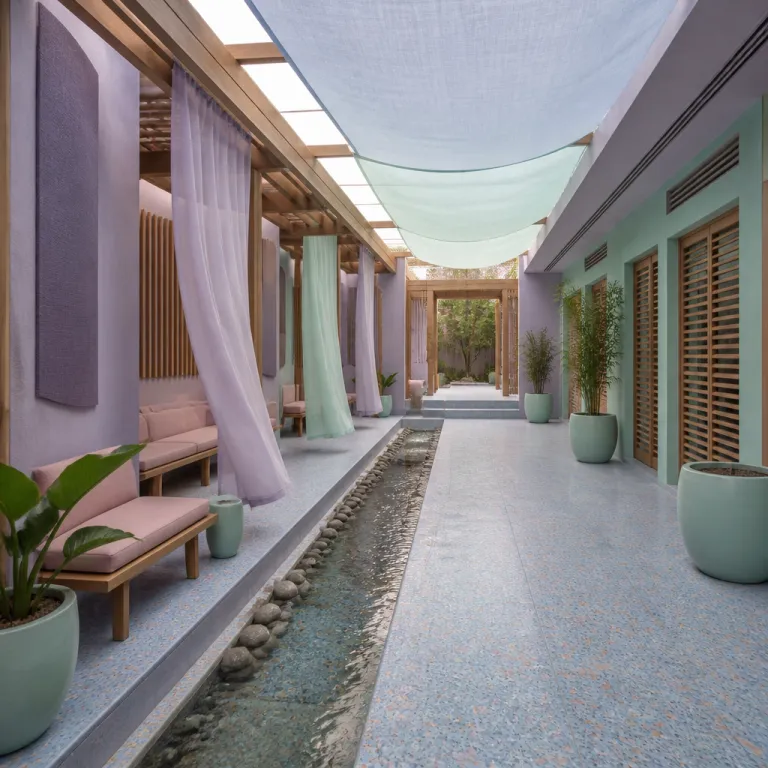
Why sensory architecture now defines serious wellness resorts
At the top tier of luxury hospitality, the most ambitious wellness resorts now treat the building itself as a clinical tool. For travelers comparing wellness destinations, the real question is no longer just which spa has the longest treatment menu, but which resort has been designed from the ground up as a wellness architecture laboratory that quietly regulates light, sound and airflow before a therapist even enters the room. This is where a true wellness resort sensory architecture design experience begins to separate evidence based health retreats from pretty but superficial spa weekends.
Health focused architecture matters because most people spend around 90 % of their time indoors, so the quality of interior design, air and acoustic comfort has a long term impact on the nervous system and overall wellbeing. When wellness spaces are carefully designed, they can lower heart rate, stabilize breathing and support mental health in ways that complement medical or naturopathic programs at a spa resort or wellness retreat. For guests who travel frequently for business, these invisible design principles often determine whether a three night stay feels like a reset or just another hotel bed with scented candles.
On healthresortstay.com, we look at wellness resorts the way a clinician might read a lab report, asking how the architecture, materials and landscape work together to create measurable wellness experiences. A serious luxury wellness property will show how its wellness spaces are designed to support thermal comfort, circadian rhythm and respiratory health rather than relying on vague promises of calm. When you evaluate any wellness resort sensory architecture design experience, you are really assessing whether the resort has turned hospitality into a form of gentle, always on therapy that starts the moment you step into the lobby.
Reading the building like a prescription: light, air and sound
Walk into a health resort such as Six Senses Ibiza and you can feel within seconds whether the guest experience has been designed around light, air and sound or simply decorated after the fact. The most advanced wellness architecture uses circadian rhythm lighting that shifts from bright, cool tones in open air social spaces to warmer, dimmer hues in treatment rooms and suites, supporting melatonin production and deeper sleep without a word from the spa team. This is where a wellness resort sensory architecture design experience becomes tangible, because the guest does not need to understand the technology to feel unusually rested after a long haul flight.
Ventilation is just as critical, yet many guests choose a property without ever asking how fresh air actually moves through the building. Proper airflow ensures air quality and comfort, and when combined with low off gassing materials it can support respiratory health for guests with asthma or allergies who rely on wellness retreats for recovery. Acoustic design then completes the triad, as careful insulation, spatial zoning and the use of water features as gentle white noise can reduce cortisol levels and create a sense of calm that no playlist can replicate.
If you want to assess a spa resort before booking, start by reading the architecture rather than the marketing copy and use a guide such as the one on what a health resort’s design tells you before you check in. Ask about ventilation systems, filtration standards and whether guest rooms are designed for cross ventilation or rely solely on mechanical cooling, because this affects both thermal comfort and sleep quality. Then inquire how the resort handles acoustic separation between wellness spaces and social areas, since a truly wellness focused property will treat silence as part of the treatment rather than an optional luxury.
Biophilic design and the healing landscape
For wellness minded travelers, the most powerful spa experience often begins not on the massage table but in the way a resort frames its landscape through architecture. Biophilic design has moved far beyond potted plants, with serious wellness resorts integrating courtyards, green walls, water features and natural materials into the structural bones of the building to create wellness spaces that feel both protective and open air. This deeper approach to design turns every corridor, stairwell and lounge into part of a continuous wellness resort sensory architecture design experience rather than a neutral space between treatments.
Properties such as Garofano House show how architecture can integrate sensory elements so that light, scent, texture and sound all support holistic wellness throughout the day. When interior design uses stone, timber and limewash alongside views of the surrounding landscape, it can subtly regulate the nervous system by echoing patterns found in nature, which research links to lower stress and improved wellbeing. In wellness retreats that take biophilic design seriously, guests often report that simply sitting in a courtyard or walking between spa pavilions feels as restorative as a formal spa experience.
Before you book any wellness destinations, ask how the resort has been designed to connect indoor and outdoor spaces, and look for properties that treat gardens, paths and terraces as therapeutic infrastructure rather than decoration. A helpful primer on why the building matters as much as the treatment can be found in our guide to biophilic design in health resorts, which explains how natural light, water and greenery can be calibrated like clinical tools. When wellness architecture and landscape design work together, the entire guest experience becomes a sequence of wellness experiences that quietly support health from sunrise walks to evening thermal baths.
Inside the room: circadian suites, materials and thermal comfort
The guest room is where a wellness retreat either proves its seriousness or reveals itself as wellness themed décor, because this is where you sleep, breathe and regulate your nervous system for most of the stay. Leading wellness resorts now offer circadian rooms that use tunable lighting, blackout strategies and carefully designed acoustics to support deep rest, turning the private suite into the core of the wellness resort sensory architecture design experience. These rooms often combine natural materials, low VOC finishes and advanced ventilation to create a microclimate that quietly supports health without demanding any effort from the guest.
Material choices carry therapeutic weight, since wood, stone and lime based plasters can create warmth while improving air quality and reducing off gassing that might irritate sensitive lungs. When interior design is guided by clear design principles, everything from the mattress composition to the placement of vents is chosen to support thermal comfort, which is a key factor in sleep quality and long term wellbeing. Serious luxury wellness properties will be transparent about these specifications, because they understand that health focused guests choose resorts based on evidence rather than mood boards.
If you want to go deeper, explore our analysis of circadian rooms as the quiet revolution in health resorts, which explains how lighting protocols can synchronize with natural light cycles to support melatonin production. When you evaluate a spa resort, ask whether rooms are designed for individual control of temperature, ventilation and blackout, since these details shape the real spa experience more than any scented amenity. A thoughtful wellness architecture approach will make the room feel like a calibrated wellness space where every surface, sound and shaft of light has been designed to create a stable, restorative guest experience.
How to interrogate a health resort before you book
For a business leisure traveler extending a work trip, the difference between a pleasant stay and a transformative wellness focused reset often comes down to the questions asked before confirming a reservation. Start by asking the resort to explain how its architecture supports wellness, and listen for specific references to light, sound, airflow and materials rather than generic language about calm spaces or relaxing design. A property that takes wellness architecture seriously will be able to describe how wellness spaces are designed, how the spa resort manages acoustic zoning and how the landscape is used to create restorative experiences throughout the day.
Next, inquire about the integration of technology and sensory design, since many leading wellness retreats now collaborate with architectural firms such as dSPACE Studio to create multisensory environments that enhance health and wellbeing. You might ask whether the spa experience includes sound therapy rooms, floatation tanks or thermal circuits that have been designed with precise control of lighting, temperature and humidity to support specific health outcomes. When a resort can explain how its wellness experiences are calibrated to support cardiovascular health, respiratory comfort or stress reduction, you are likely looking at a serious luxury hospitality player rather than a marketing exercise.
Finally, remember that “What is sensory architecture?” is not a theoretical question for designers but a practical one for travelers, because designing spaces that engage multiple senses for enhanced experience is now part of how health resorts justify their rates. Ask “How does light affect wellness?” and “Why is airflow important in design?” directly, since the best wellness destinations will answer that natural light regulates circadian rhythms and improves mood, and that proper airflow ensures air quality and comfort. When a resort can respond in this level of detail, you can trust that your wellness resort sensory architecture design experience will be more than a slogan and will instead function as part of your long term health strategy.
FAQ
What is a wellness resort sensory architecture design experience in practice ?
In practice, a wellness resort sensory architecture design experience means that every aspect of the building has been planned to support health before any treatment begins. Light, sound, airflow, materials and landscape are calibrated to regulate circadian rhythms, reduce stress and improve thermal comfort throughout the day. Guests feel the effects as deeper sleep, clearer breathing and a more stable nervous system, even if they never read a single line of the design brief.
How does sensory architecture improve the guest experience at health resorts ?
Sensory architecture improves the guest experience by turning the entire resort into a network of wellness spaces that quietly support wellbeing. Thoughtful design principles ensure that social areas feel energizing, treatment rooms feel cocooned and guest suites feel deeply restful, with each zone tuned through light, sound and air quality. This creates a continuous flow of wellness experiences that extend far beyond the spa and into every moment of the stay.
What should I ask a resort about light, sound and airflow before booking ?
Before booking, ask how guest rooms and spa areas are ventilated, whether there is access to fresh air and how the resort manages humidity and temperature for thermal comfort. Request details on lighting systems, including whether they use circadian rhythm protocols that shift color and intensity across the day to support sleep and alertness. Then ask how acoustic design separates quiet wellness spaces from livelier hospitality zones, since this reveals whether silence is treated as part of the treatment.
Are there real examples of health resorts using sensory architecture seriously ?
Yes, several health resorts now treat sensory architecture as core wellness infrastructure rather than decoration. Garofano House integrates light, airflow and material choices into its architecture to support holistic wellness, while Six Senses Ibiza combines sound, light and healing practices to create a transformative guest experience. Architectural firms such as dSPACE Studio also collaborate with wellness retreats to design multisensory environments that enhance health and long term wellbeing.
How can I tell if a wellness destination is more than marketing ?
You can usually tell by how precisely the resort talks about its building and systems when you ask detailed questions. A serious luxury wellness property will explain how its wellness architecture supports respiratory health, circadian rhythm, acoustic comfort and nervous system regulation, often referencing specific materials, ventilation strategies and lighting protocols. If the answers stay vague and focus only on décor or spa menus, the wellness resort sensory architecture design experience is probably more slogan than substance.