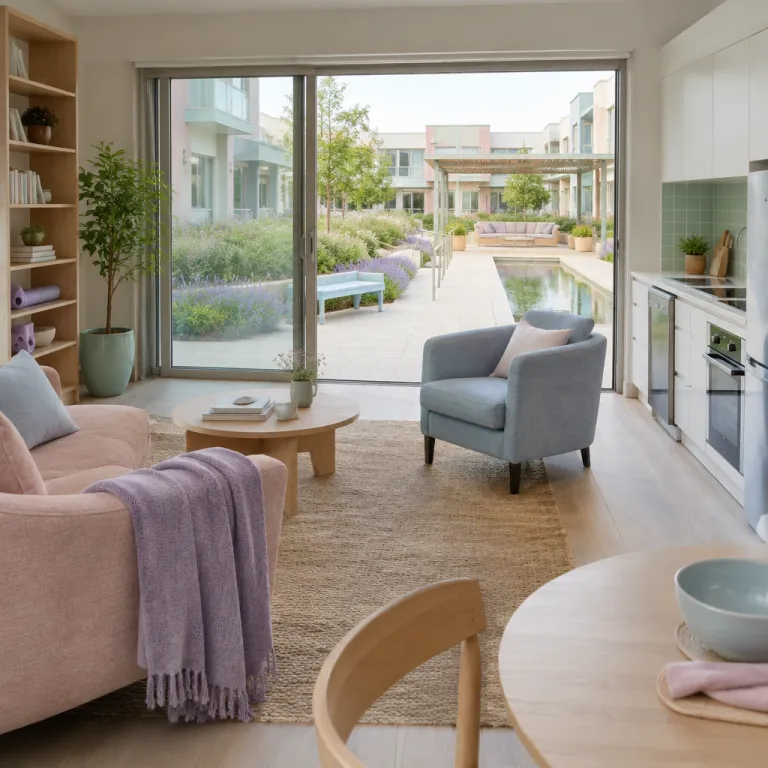
The new face of wellness resort residential community living
Wellness resort residential community living is reshaping how high performing travelers think about home. Instead of a short reset between flights, this model turns daily life into a structured health program with clinical oversight and curated services. The shift from a temporary resort stay to a permanent residence means your wellness goals move from occasional aspiration to the organizing principle of where and how you live.
At its core, this new wellness community concept blends medical grade infrastructure with the emotional comfort of a familiar neighborhood. Residents enjoy year round access to physicians, diagnostic labs, movement studios and nutrition experts, while still having space for entertainment, social clubs and quiet privacy. The result is a living environment where every residence, from top floor penthouse to garden level apartment, is designed to support sleep, recovery and long term health rather than only short term indulgence.
For travelers used to premium health resorts, the difference is profound yet subtle. You still book into beautifully serviced living residences with refined amenities and attentive staff, but the calendar of activities runs twelve months a year instead of following peak season occupancy. A wellness resort residential community living estate offers continuity, so you can live well, train well and age well in the same place instead of chasing results across scattered retreats.
From guest to resident: how the lifestyle changes
When you shift from guest to long term resident, the rhythm of life changes completely. A traditional resort stay compresses diagnostics, treatments and activities into a few intense days, while wellness resort residential community living stretches that same expertise across years. You are no longer trying to fix everything in one visit ; you are building a sustainable pattern of living that respects work, family and recovery cycles.
Properties such as Tri Vananda in Phuket, with its Clinique La Prairie programming, show how a wellness community can operate as both destination and home. Here, residents enjoy priority access to state of the art medical suites, movement pavilions and nutrition labs, while still having the privacy of a fully equipped residence with generous floor plans. The estate offers structured entertainment, low key social clubs and quiet zones, so you can read, work or rest without feeling trapped in a perpetual retreat.
For business leisure travelers extending frequent trips, this model solves a familiar problem. Instead of returning to a generic hotel, you come back to a residence where the amenities, services and transportation links are designed for people who live there full time. Napa Valley’s shift toward longevity focused hospitality, exemplified by the new longevity center at Silverado profiled in Health Resort Stay’s Napa Valley wellness pivot feature, hints at how American markets may follow the same path toward integrated living.
What to evaluate before buying into a wellness residence
Evaluating a wellness resort residential community living project requires a different lens than choosing a weekend health resort. You are not only comparing spa menus and room categories ; you are assessing the clinical backbone, governance and long term viability of the entire community. The key question is simple yet demanding ; does this place support your wellness goals every day, not just during a curated stay.
Start with the on site medical and wellness équipe. Ask how physicians, physiotherapists, psychologists and nutritionists are employed, whether they are full time residents of the community or rotating consultants, and how their work is integrated into daily activities rather than sold as occasional extras. A credible wellness community will share clear data on staff qualifications, safety protocols and referral pathways to external hospitals, especially for residents with chronic conditions who plan to live on the estate year round.
Next, examine how programming operates when occupancy dips and the resort side quiets. Robust wellness resort residential community living projects run classes, assessments and social clubs on a fixed calendar for residents, independent of transient guest numbers. For American buyers, the regulatory landscape also matters ; Health Resort Stay’s analysis of the US medical spa crackdown is essential reading before you commit to any residence that markets medical services as part of its amenities.
Design, amenities and daily living in wellness communities
The physical design of a wellness resort residential community living project quietly dictates how you will live each day. Eywa in Dubai, for example, experiments with biophilic architecture in a vertical residence format, testing whether a tower can deliver the same wellness outcomes as a horizontal resort estate. Here, floor layouts, natural light, air quality and acoustic insulation matter as much as the spa menu or restaurant list.
Thoughtful communities balance private space with shared amenities that encourage gentle social interaction. You might have a heated pool reserved for residents, a separate lap pool for serious training and calm hydrotherapy areas where noise is kept low and phones are discouraged. Walking paths, meditation decks and co working lounges create a layered landscape of activities, so residents enjoy both quiet reflection and low key entertainment without leaving the property.
For many buyers, practicalities seal the decision. A wellness community that is conveniently located near airports, business districts and cultural hubs allows you to live well without sacrificing professional commitments. Reliable transportation links, discreet security, in residence services and intuitive digital access to bookings mean you can move from a morning lab test to an afternoon board call to an evening lecture without friction, all while staying anchored in one residence that genuinely supports healthy living.
Community, entertainment and the social fabric of healthy living
Wellness resort residential community living only works when the social fabric feels authentic. A calendar of activities that mixes evidence based workshops, low key entertainment and informal gatherings helps residents enjoy a sense of belonging without forced participation. The best communities understand that some residents live intensely social lives, while others prefer a quieter, more private rhythm.
Curated social clubs often form the backbone of this culture. You might join a performance focused running group, a sleep optimization circle, a culinary lab exploring metabolic health or a reading salon that meets weekly to read and debate new research. These clubs turn the abstract idea of a wellness community into lived experience, where neighbors share data, compare results and hold each other gently accountable to long term wellness goals.
Digital design plays a subtle but important role here. A well built resident app should make it easy to skip content that feels promotional and instead surface the activities, talks and services that match your personal priorities. When done well, this technology layer supports human connection rather than replacing it, allowing you to live in a residence where the community feels curated but never choreographed.
Investment value and the “wellness premium” question
For many readers of Health Resort Stay, wellness resort residential community living is both a lifestyle choice and a capital allocation decision. The central question is whether the wellness premium embedded in these residences will hold its value as more projects enter the market. Unlike a conventional estate purchase, you are buying into clinical infrastructure, programming and community governance as much as into square meters and a view.
Serious investors look beyond glossy brochures and spa imagery. They analyze how much of the service fee supports state of the art diagnostics, staff training and maintenance of shared amenities such as the heated pool, hydrotherapy circuits and movement studios. They also examine whether wellness programming is contractually protected from cost cutting, ensuring that residents enjoy consistent quality even if external demand for short stays fluctuates.
Liquidity is another consideration. Residences in established wellness community destinations with strong transportation links and year round demand from health conscious buyers are more likely to retain value. As the concept matures, the market will probably differentiate between projects where wellness is a marketing layer and those where it is structurally embedded into every residence, every floor and every aspect of daily living.
How to choose the right wellness resort residential community living model for you
Selecting the right wellness resort residential community living option starts with radical honesty about your own life. Are you seeking a quiet base where you can work remotely and train seriously, or a more urban residence where entertainment, culture and clinical care sit side by side. Your answer will guide whether you lean toward resort scale estates like Tri Vananda or urban concepts such as ROMM Convent in Bangkok, which focuses on recovery and sleep within a dense city fabric.
Walk the property, not just the show residence. Pay attention to how residents live in shared spaces, whether they use the amenities daily, and how staff interact with long term residents compared with short term guests. Ask about priority access for residents to medical appointments, classes and facilities, and whether there are clear pathways for feedback if your wellness goals evolve over time.
Finally, consider how the community will feel on an ordinary Tuesday, not only during a launch event or high season. Look for evidence of stable programming, active yet respectful social clubs and a governance structure that gives residents a voice in how the wellness community develops. When these elements align, you gain more than a property ; you gain a living framework that supports health, work and pleasure in equal measure, day after day.
Key figures shaping residential wellness communities
- According to the Global Wellness Institute, the wellness real estate sector reached an estimated 398 billion dollars in global value, reflecting rapid growth in communities that integrate health infrastructure into residential living.
- Research from the Global Wellness Institute indicates that wellness real estate has been growing at more than double the rate of general construction, signaling strong demand for residences embedded in wellness communities rather than stand alone resorts.
- Industry surveys cited by the Global Wellness Summit show that a significant share of new high end wellness projects now include residential components, confirming the shift from short stay resorts toward full time wellness resort residential community living models.
- Market analyses from leading property consultancies report that buyers are often willing to pay a double digit percentage premium for homes in wellness focused estates, especially when these communities provide on site clinical services and robust programming.
FAQ about residential wellness communities
How is a residential wellness community different from a traditional health resort ?
A traditional health resort is designed for short stays, with programs compressed into a few days or weeks. A residential wellness community is built for full time living, with year round access to clinical services, classes and amenities that support daily routines. The focus shifts from an intensive reset to a sustainable lifestyle embedded in your home environment.
What should I check about medical and wellness services before buying ?
Ask for detailed information on the qualifications and employment status of on site clinicians, including physicians, therapists and nutritionists. Verify how medical services are regulated, how emergencies are handled and whether there are formal partnerships with nearby hospitals. You should also review how wellness programming is scheduled and funded to ensure it will continue regardless of hotel occupancy cycles.
Are urban wellness residences as effective as resort style communities ?
Urban wellness residences such as ROMM Convent in Bangkok and tower projects like Eywa in Dubai show that vertical or city based formats can support strong wellness outcomes. Their effectiveness depends on design quality, air and sound management, access to green space and the depth of clinical and programming infrastructure. For frequent travelers, an urban residence that is conveniently located near business districts and airports can be more practical than a remote estate.
How do amenities like heated pools and social clubs affect daily life ?
Thoughtfully designed amenities turn wellness from a scheduled activity into a natural part of everyday living. Heated pools, hydrotherapy areas, movement studios and quiet lounges encourage spontaneous use, while social clubs create gentle accountability and community. When residents enjoy these spaces regularly, the entire property functions as a living support system rather than a once a year retreat.
Is investing in a wellness residence financially sound or mostly lifestyle driven ?
Buying into a wellness resort residential community is primarily a lifestyle decision, but it can also be financially rational when fundamentals are strong. Properties with credible clinical infrastructure, stable governance and good transportation links tend to hold value better than concept driven projects without depth. As the market matures, investors are increasingly differentiating between marketing heavy developments and communities where wellness is structurally embedded into every aspect of the residence and estate.