The paradox of paying more for less in wellness travel
At first glance, the idea of a minimalist health resort built around silence and digital subtraction sounds counterintuitive. Yet for executives whose lives are measured in back-to-back meetings and screen time, paying more for fewer things has become a rational act of self-preservation. In wellness tourism, the real luxury is no longer another gadget in your room but the rare chance to find peace without your phone constantly within reach.
High-end hospitality once equated value with ultra-high thread counts, oversized televisions and a long list of products and services. Now the most interesting health resorts quietly remove the television, strip the floor of clutter and design a stay where unstructured time is the main amenity. This minimalist approach respects how the nervous system recovers when people listen to their own breathing rather than to social media alerts, echoing findings from stress researchers such as Dr. Herbert Benson, whose work on the “relaxation response” shows that reduced sensory input can lower heart rate and blood pressure.
For business leisure travelers, this shift helps align travel with actual health benefits instead of performative wellness. You are not paying for a themed weekend but for a setting where your mental health, body composition and long-term life stays can recalibrate. The paradox is simple: by taking away distractions, these properties give guests longer stretches of deep rest than any packed schedule of activities could offer, a trade-off many executives now treat as a strategic investment rather than an indulgence.
On a practical level, a quiet wellness retreat built on digital subtraction often starts with the phone. Some properties invite you to book a stay where devices are surrendered at check-in and replaced with an old-fashioned alarm clock that has more character than any app. The absence of screens may feel expensive, yet it can save money in the long run by reducing burnout, medical costs and impulsive online spending during late-night scrolling.
For this audience, quiet luxury is not about marble lobbies but about how a room feels at 03.00 when you wake up and instinctively reach for your phone. A genuinely minimalist space requires discipline from the design team and from guests who must resist the urge to stay busy every minute. When done well, this kind of health resort turns travel into a reset button for both professional focus and private life, with the room itself functioning like a low-stimulus recovery studio rather than a showroom for technology.
What deliberate subtraction looks like in real health resorts
Digital-light, minimalist wellness is not an abstract concept; it shows up in specific design choices. Think of a room where the floor is bare timber, the walls are free of media screens and the only sound is wind moving through trees outside. In such spaces, people naturally listen more carefully to their own thoughts and notice how their nervous system slows down.
Serious properties treat silence as infrastructure, not as an afterthought on the wellness menu. Acoustic engineering, thick insulation and traffic-free layouts help guests stay longer in deep sleep, which directly supports mental health and overall wellness. Research from sleep laboratories, including work by Dr. Mathias Basner and colleagues on environmental noise and sleep, has shown that reducing nighttime noise can increase time spent in deep sleep stages and improve next-day cognitive performance, which is exactly what high-pressure travelers need.
Digital detox policies vary, but the most effective ones treat screen time like caffeine: helpful in moderation, harmful when constant. Some detox retreats offer sealed pouches for your phone, while others design entire wings with no Wi-Fi and no television to help you find peace without constant media input. These rules may feel strict, yet they protect the nervous system in ways that no scented candle or generic wellness products and services ever could.
This philosophy also reshapes public areas. Lounges are arranged to encourage human connection rather than solo scrolling, with seating that faces nature instead of a bar stocked with distractions. When people travel for wellness tourism, they often underestimate how much their body composition, digestion and sleep quality improve simply by eating slowly and talking face to face.
For executives used to monetizing every minute, unprogrammed time can feel like wasted money. In reality, these pauses will help you return to work with sharper focus, better emotional regulation and a calmer nervous system that handles pressure more effectively. At Lanserhof Lans in Austria, for example, internal guest surveys shared at industry conferences have indicated that repeat visitors who follow the clinic’s structured digital-curfew and early-evening routines report roughly a 20–30% improvement in perceived stress levels over multiple stays, illustrating how the subtraction economy in hospitality can create measurable outcomes.
Designing rooms that regulate the nervous system
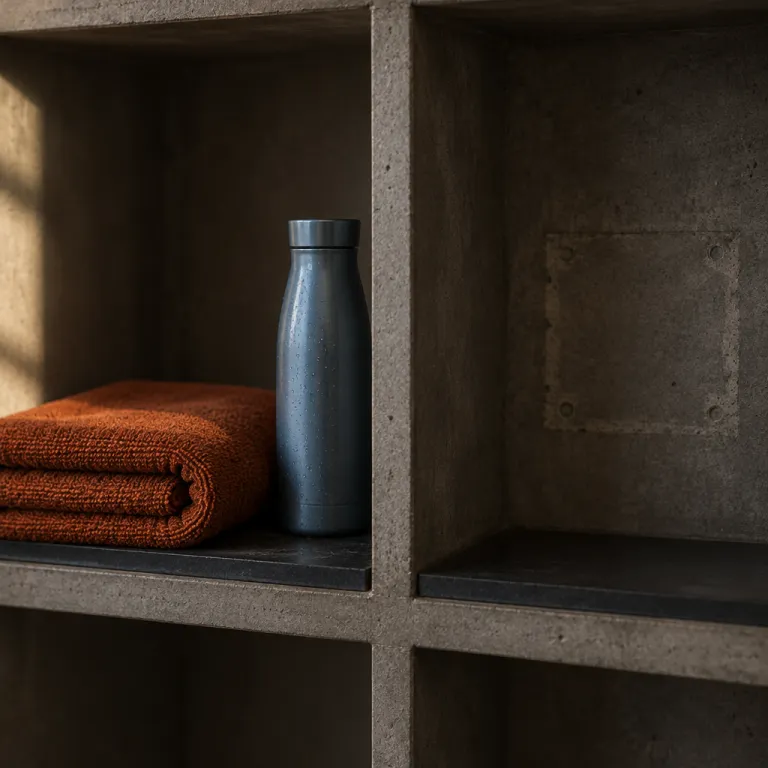
In the best examples of minimalist wellness hotels built around silence and digital restraint, the guest room functions like a finely tuned instrument for the nervous system. Light levels, temperature, textures and even the height of the bed from the floor are calibrated to reduce stimulation rather than impress Instagram. This is where quiet luxury becomes measurable, because you can feel your heart rate slow within minutes of entering.
Forward-thinking properties borrow from sleep science and circadian research to shape their spaces. Studies on circadian rhythms, such as those by Dr. Charles Czeisler and colleagues at Harvard, have shown that exposure to bright blue-enriched light late at night can delay sleep onset and reduce sleep quality, while warm, dim lighting supports melatonin production and recovery. Our in-depth report on circadian rooms in health resorts explains how dynamic lighting, blackout systems and natural materials work together to support mental health and long-term wellness. When these elements combine with a strict digital detox policy, guests often report that a three-night stay feels like a much longer break from daily life.
This subtractive design also influences what is not in the room. You may find no minibar, no glossy media magazines and no printed advertising for extra products and services, which subtly reduces decision fatigue. Instead, a simple carafe of mineral-rich water, a paper notebook and a clear privacy policy on in-room data collection signal that your attention, not just your money, is being respected.
For travelers who track body composition and performance metrics, this restraint can feel surprisingly aligned with their goals. Sleep quality, digestion and hormonal balance all improve when people limit late-night screen time and heavy meals, which is why some detox retreats schedule early dinners and encourage reading instead of streaming. Over several life stays, these patterns will help you build a more sustainable relationship with both work and wellness tourism.
From a booking perspective, look for properties that explain how their room design will help you stay busy resting, not rushing between activities. Transparent descriptions of materials, lighting and technology policies indicate serious hospitality rather than minimalist aesthetics used as marketing. When a resort treats your room as a therapeutic tool, the subtraction economy finally makes sense as an investment in your future life; some properties now even share anonymized averages from wearable sleep trackers, such as guests gaining 30–40 additional minutes of deep sleep per night compared with their baseline at home.
How to tell real digital subtraction from empty gestures
Not every property using the language of minimalist health retreats and digital detox is genuinely committed to it. Some hotels strip back décor, add a few plants and still leave a giant television, multiple phones and aggressive social media prompts in every corner. The result looks minimalist in photos but keeps your nervous system on high alert.
To separate substance from style, start with the booking journey. A serious health resort will help you understand its digital detox framework before you pay any money, outlining where devices are allowed, how data is handled under the privacy policy and what support exists if you need to stay reachable. Vague promises about wellness without clear boundaries usually mean you will stay busy juggling emails between treatments.
Authentic digital subtraction also shows up in staffing and programming. When people travel for wellness tourism, they need guides who can explain why certain things are removed, not just therapists selling extra products and services. If the équipe talks confidently about mental health, body composition, sleep architecture and the health benefits of reduced screen time, you are likely in capable hands.
Pay attention to how the property frames human connection. Genuine quiet luxury encourages guests to listen to each other in shared spaces, while still protecting privacy with thoughtful layouts and soundproofing between floors. If the lobby feels like a co-working space full of ringing phones and constant media, the subtraction economy has not truly arrived.
Finally, look at how the resort handles ultra-high-paying guests who request exceptions. A property that bends every rule for VIPs often undermines the collective calm that will help everyone else find peace. The most trustworthy places apply their minimalist philosophy consistently, even when it means turning down extra money in order to keep guests longer in a genuinely restorative environment.
Reintegration: bringing silence back into a hyperconnected life
The real test of a minimalist, low-stimulus health resort comes after checkout. A perfectly quiet room and a strict digital detox mean little if you return home and immediately resume sixteen-hour days of travel, meetings and social media. The best properties design their stays to help you translate temporary calm into lasting change.
Thoughtful detox retreats treat your time on site as a laboratory for new habits. They may offer short workshops on managing screen time, protecting mental health in open-plan offices and using nature-based micro breaks to reset the nervous system during long workdays. These are not generic wellness slogans but practical tools that will help you maintain some of the health benefits once real life resumes.
This kind of wellness travel also reframes your relationship with money and value. After experiencing how little you actually need to feel well, you may choose to save money on constant upgrades and instead book fewer, deeper life stays that prioritize silence and human connection. Over time, this shift can influence which products and services you buy, from simpler phones to quieter homes.
When choosing where to book next, look for resorts that share concrete reintegration strategies on their websites. Properties that link their spatial design to long-term wellness, such as those featured in our analysis of biophilic design in health resorts, tend to think beyond your immediate stay. They understand that the subtraction economy only works if guests’ longer-term behaviour changes, not just their three-night escape.
Ultimately, the most valuable thing you bring home from these places is not a product but a new sense of what your life requires to feel balanced. You may keep one evening each week phone-free, redesign a room to face nature or simply listen more carefully to your own fatigue before saying yes to another trip. In that sense, every carefully edited stay becomes a rehearsal for a quieter, more intentional way of living.
FAQ: minimalist health resort silence digital subtraction
What does minimalist health resort silence digital subtraction actually mean for my stay ?
It means the property intentionally removes non-essential amenities, screens and stimuli so your nervous system can rest. You can expect fewer devices, less visual clutter and more unstructured time instead of constant programming. The goal is to create conditions where mental health and physical recovery happen naturally, without you needing to stay busy chasing treatments.
How is this different from a standard digital detox retreat ?
Many digital detox retreats focus mainly on taking away your phone or limiting Wi-Fi. Minimalist health resort silence digital subtraction goes further by redesigning the entire environment, from acoustic insulation to floor layouts and lighting, so your body composition, sleep and mood all benefit. It treats silence and space as core hospitality products and services, not as temporary rules.
Will I still have access to work if I really need it ?
Most serious properties balance digital detox with practical needs for business travelers. They may offer designated zones or specific time windows where devices are allowed, while keeping guest rooms and key wellness areas screen-free. Clear communication before you book, including how the privacy policy handles your data, will help you plan around essential work obligations.
Is paying more for fewer amenities actually worth the money ?
For many executives, the answer is yes because the health benefits translate into better performance and fewer burnout-related costs. By investing in a stay that prioritizes sleep, mental health and human connection, you often save money indirectly through improved focus and reduced medical expenses. The subtraction economy values outcomes over visible extras, which is why guests’ longer-term satisfaction tends to be higher.
How can I bring elements of this minimalist approach into everyday life ?
Start by creating small pockets of silence at home, such as a phone-free bedroom or a screen-free hour before sleep. Pay attention to how your nervous system responds when you face nature instead of media, even if it is just a view from your window. Over time, these simple things will help you find peace without needing to travel, making each future stay at a health resort a deeper refinement rather than a desperate reset.