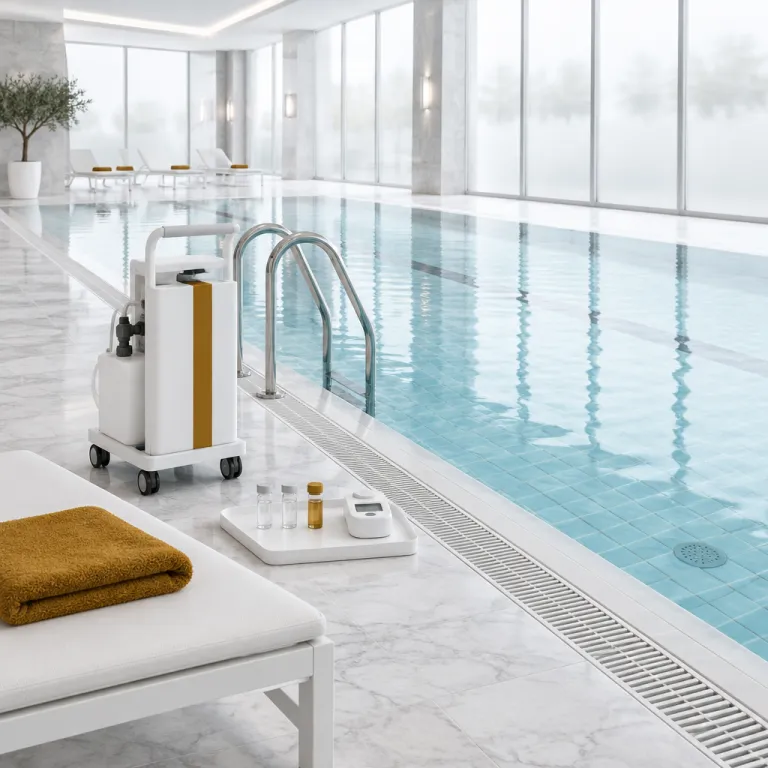
Why luxury health resorts now rely on deep super chlorination
Luxury health resorts increasingly treat the pool as a core wellness asset. To protect sensitive skin and respiratory comfort, the best properties use a carefully engineered disinfection system that allows them to apply deep super chlorination without harsh side effects. This approach keeps pool water exceptionally pure while supporting the wider spa philosophy of calm, safety, and restorative care.
When a resort team plans a super chlorination program, it starts by mapping every technical element of the process system. Engineers analyse how chlorine moves through the pool, how the filter handles organic buildup, and how the water flow interacts with spa features such as hydrotherapy jets and submerged loungers. Only then do they define the exact chlorine levels, the timing of each shock treatment, and the resetting system that returns the pool to gentle daily operation.
For guests, the result is simple: the pool will feel consistently clean, soft, and reassuringly clear. Behind the scenes, however, the chlorination strategy is complex, involving precise doses of pool chlorine and sometimes a controlled amount of pool acid to keep the water balanced. In most luxury swimming pools, operators aim to maintain free chlorine in the 1–3 ppm range and pH between 7.2 and 7.6, which helps minimise eye and skin irritation while still meeting public health codes. This level of carefully managed super chlorination is especially important in health focused swimming pools where hydro classes, contrast therapy, and aquatic physiotherapy sessions significantly increase organic load and potential contamination.
How super chlorination protects sensitive wellness travellers
Health resort guests often arrive with specific needs, from post operative recovery to chronic skin conditions. For them, a poorly managed chlorine pool can quickly turn a relaxing stay into an uncomfortable experience, especially if the chlorine level fluctuates wildly. High yet carefully controlled chlorine levels achieved through a planned super chlorination cycle help remove most common pathogens while minimising irritating by products such as chloramines.
During a scheduled pool super cycle, the spa engineering team will temporarily raise the chlorine level to perform a powerful shock treatment. In many properties this means reaching breakpoint chlorination, where free chlorine is raised to roughly ten times the measured combined chlorine to oxidise contaminants. This super chlorination phase is designed to remove invisible pollutants, break down chloramine buildup, and reset the entire process system so that the pool water returns to a stable, water balanced state. After the shock, the resetting system gradually lowers pool chlorine to the resort’s preferred wellness range, which is usually at the lower end of what local public health guidance allows.
Guests rarely see this cleaning choreography, but they feel its benefits every time they swim. The pool water remains crystal clear, with minimal odour, because the treatment has been timed to allow full dilution and filtration before the next hydrotherapy class. Many resorts follow guidance from organisations such as the World Health Organization and the U.S. Centers for Disease Control and Prevention, which recommend maintaining adequate free chlorine and pH to inactivate many bacteria and viruses within minutes, while noting that some organisms such as Cryptosporidium are far more chlorine resistant and require additional control measures. When you read about refined spa details such as the quality of sauna robes and thermal etiquette, remember that the same meticulous thinking now applies to how resorts chlorinate pools and manage every cleaning cycle.
From basic pools to curated hydrotherapy circuits
High end health resorts no longer present the pool as a simple rectangle of blue water. Instead, they design integrated hydrotherapy circuits where each pool, vitality tub, and contrast plunge has its own chlorination profile and cleaning schedule. This evolution demands a more advanced system to super chlorinate each pool without disrupting the guest journey from sauna to steam room to relaxation deck.
In a multi zone spa, one pool will host low impact aqua fitness, another will support physiotherapy, and a third may offer silent laps for serious swimmers. Each of these swimming pools carries a different organic load, so the chlorine pool strategy must adapt, with tailored shock treatment windows and specific filter maintenance routines. For example, a busy activity pool might be shocked two or three times per week, while a quiet relaxation pool is treated less frequently but monitored closely with both manual tests and digital sensors. As one senior spa engineer notes, “the cleanest pool is the one where we adjust chlorine levels to the actual bather load, not to a fixed timetable.” Resorts that manage this well can keep every chlorinated pool pristine while still offering long opening hours and dense wellness programming.
For travellers comparing properties, it is worth reading how a resort describes its water treatment philosophy. Some of the most advanced destinations highlighted in guides to five star international excellence in health resort bookings now explain their approach to super chlorination alongside details of nutrition plans and sleep programs. This transparency signals that the resort treats pool water quality as seriously as any other medical or spa treatment on the menu.
Technical elegance behind a super chlorinate pool program
Behind every serene spa pool lies a dense network of pipes, pumps, and sensors. The process system that supports super chlorination cycles must balance high performance with quiet, almost invisible operation so that guests hear only gentle water flow. Luxury health resorts invest heavily in this infrastructure because reliable chlorination underpins both hygiene and brand reputation.
During a super chlorination event, the system will dose the pool with a calculated amount of chlorine and sometimes a compatible pool acid to optimise pH. The aim is to shock clean the pool water, remove stubborn biofilm buildup, and push contaminants through the filter without stressing the structure or finishes. Many facilities now use oxidation reduction potential (ORP) probes and automated chemical controllers to keep chlorine levels within a narrow band and to trigger alarms if readings drift. Once the shock treatment is complete, automated controls start resetting system parameters, gradually returning chlorine levels to the resort’s preferred comfort zone.
Time is a crucial variable in this equation, especially when pools operate almost continuously. Engineers must schedule each super chlorination phase during low occupancy windows so that no guest encounters excessively high chlorine levels or residual cleaning chemicals. In practice, this often means closing the pool overnight, allowing several hours for filtration and dilution, and reopening only when test results confirm that free chlorine and pH are back within target ranges. When you see a maintenance notice by the pool, it often signals this carefully timed cleaning choreography rather than a simple cosmetic tidy up.
What wellness focused guests should look for when booking
Travellers who prioritise health can evaluate pool standards long before arrival. When browsing a luxury booking website, look for clear explanations of how the resort keeps pool water clean, how often it performs shock treatment, and whether it uses a modern automated system to monitor chlorine levels in real time. Properties that mention super chlorination or a structured chlorination protocol usually have a more mature approach to hygiene.
Pay attention to how the resort describes its cleaning routines for all pools, from the main lap pool to smaller vitality pools and thermal suites. A serious operation will reference filtration technology, water balanced management, and the role of the filter in capturing microscopic debris after each pool super cycle. Many leading spas also mention supplementary disinfection methods such as ultraviolet (UV) reactors or ozone systems, which help remove chloramine buildup and reduce the amount of chlorine needed. You can also ask whether the team uses manual testing alongside digital sensors to verify every chlorine pool reading, especially during peak wellness retreats.
Guests with asthma, eczema, or chemical sensitivities should feel comfortable requesting detailed information about chlorination. Ask how the resort times each shock treatment, how long the resetting system takes before the pool reopens, and whether alternative disinfection methods complement pool chlorine. If the answers are precise, confident, and aligned with recognised public health guidance, you can expect a calm, clean, and genuinely therapeutic aquatic environment.
Future facing trends in luxury pool water wellness
Luxury health resorts are now treating pool chemistry as part of personalised medicine. As epigenetic testing and precision wellness gain ground, some properties integrate pool access recommendations into tailored programs that also analyse DNA methylation and recovery markers. Guests who explore advanced services such as epigenetic testing at wellness resorts increasingly expect the same scientific rigour in how resorts chlorinate pools and manage every cleaning cycle.
In this context, the traditional idea of a one size fits all chlorine pool is fading. Resorts are experimenting with zones where chlorine levels remain very low for gentle immersion, balanced by adjacent pools that undergo more frequent super chlorination and shock treatment to handle intense activity. Smart sensors feed data into the central system, allowing the team to super chlorinate specific pools at exactly the right time while keeping guest facing areas open and serene. In some flagship properties, data from ORP meters, flow sensors, and bather load counters is combined to predict when a pool will need its next deep clean.
For booking platforms that specialise in health resorts, highlighting these innovations has become a mark of quality. Detailed descriptions of the process system, the role of the filter, and the philosophy behind water balanced management help travellers understand why one chlorination program feels softer and more refined than another. As expectations rise, the ability to run a quiet, efficient, and precisely timed super chlorination cycle may soon define the new standard of aquatic luxury.
Key statistics on luxury health resort pools and water quality
- According to the World Health Organization’s guidance on safe recreational water environments, properly maintained swimming pools that follow recommended chlorination and filtration standards can substantially reduce the risk of waterborne disease outbreaks, underscoring why a structured super chlorination strategy is essential in health resorts.
- Data from the U.S. Centers for Disease Control and Prevention indicate that a significant proportion of routine public pool inspections lead to immediate closure because of serious violations, which explains why luxury properties invest heavily in automated systems that constantly monitor chlorine levels and overall water balanced status.
- Industry surveys of high end spa and wellness hotels suggest that over half now use some form of automated chemical dosing and digital monitoring, allowing them to time each shock treatment more accurately and reduce overall chlorine consumption while maintaining safety.
- Public health agencies report that maintaining free chlorine in the recommended range can inactivate many common pathogens relatively quickly, although chlorine resistant organisms such as Cryptosporidium require additional barriers, which is why a well managed chlorination program focuses on both steady daily dosing and periodic super chlorination supported by robust filtration.
FAQ about super chlorination in luxury health resort pools
How often should a luxury health resort super chlorinate its pools ?
The ideal frequency for a super chlorination cycle depends on bather load, water temperature, and the type of activities hosted. Many high end resorts schedule super chlorination weekly for heavily used pools and less often for quiet hydrotherapy areas, always timing the shock treatment during low occupancy hours. A typical sample schedule might include nightly filtration and testing, weekly breakpoint chlorination for the busiest pool, and monthly deep cleaning of the filter media. The key is to combine these intensive cycles with continuous monitoring of chlorine levels and filtration performance.
Will I notice when a resort has recently performed super chlorination ?
In a well managed system, guests should not experience strong odours or irritation after a shock treatment. Resorts typically close the pool during the highest chlorine levels, then use filtration, dilution, and the resetting system to bring the water back into a comfortable range before reopening. Depending on the dose and pool volume, this cleaning time can range from a few hours to overnight, and the pool will only reopen once manual tests confirm that free chlorine and pH are within the resort’s target band. You may only see a temporary sign indicating cleaning or maintenance while the process system completes its cycle.
Is super chlorination safe for sensitive skin and eyes ?
When performed correctly, super chlorination is safer than running a pool with chronically low chlorine levels and high contaminant buildup. The short period of high chlorine is followed by careful testing to ensure the pool water is water balanced and gentle before guests return. Resorts often aim for the lower end of the acceptable chlorine range once the pool reopens and may use UV or ozone to help remove by products. Travellers with very sensitive skin can ask the resort about timing and testing protocols to choose the calmest swimming windows.
What is the difference between daily chlorination and a shock treatment ?
Daily chlorination maintains a steady chlorine pool concentration that keeps routine contamination under control. A shock treatment or super chlorination event temporarily raises chlorine levels to oxidise stubborn organic material, remove chloramine odours, and reset the water chemistry. In technical terms, daily dosing keeps free chlorine within the target ppm range, while a pool super cycle pushes levels much higher for a limited time to reach breakpoint chlorination. Both steps are necessary in a serious chlorination program, especially in busy health resorts with multiple pools and dense wellness schedules.
How can I check whether a resort takes pool water quality seriously ?
Look for clear explanations of water treatment on the resort’s website or booking page, including references to filtration, testing frequency, and super chlorination practices. Properties that mention automated monitoring, regular shock treatment, and strict reopening criteria usually operate a more reliable system. You can also contact the spa directly and ask specific questions about chlorine levels, cleaning time frames, and how they keep the pool water consistently clean. Detailed, confident answers that reference recognised standards, manual test kits, and backup systems are a strong sign that the pool will be both safe and pleasant to use.